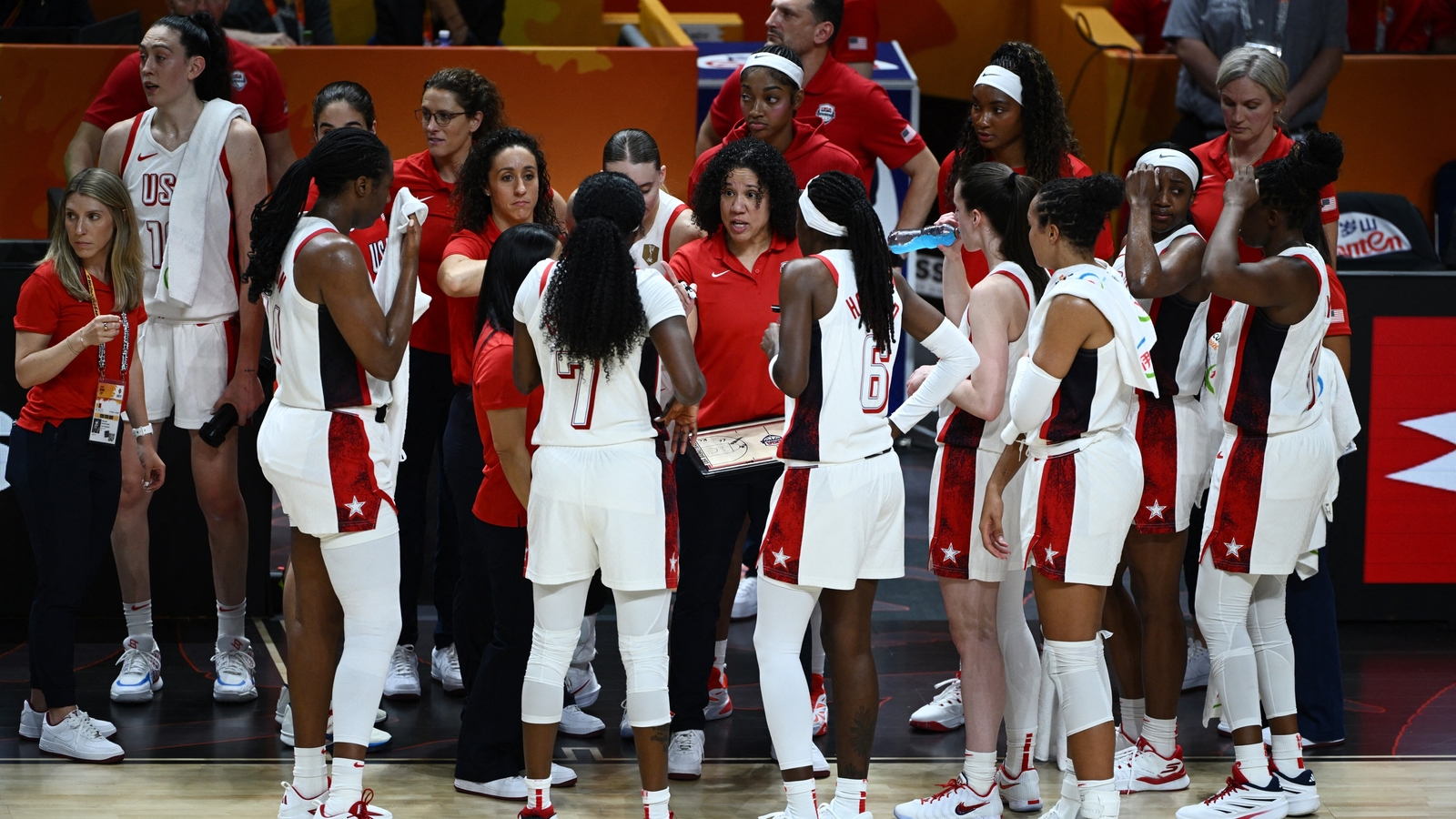
Following Team USA's dominant performance against France in the FIBA Women's Basketball World Cup, questions arise regarding the tournament's prize money and the financial structure of women's elite sports.
- Prestige in the FIBA Women's World Cup is immense, though prize money structures remain less transparent.
- Team USA continues to dominate the global stage after defeating France.
- Economic growth in women's basketball is heavily driven by endorsements and media rights.
The FIBA Women's Basketball World Cup has once again proven to be a stage of unparalleled athletic excellence. As Team USA secured a hard-fought victory against France, the conversation shifted from tactical brilliance to the economic realities of the sport. While the glory of a championship is eternal, the financial rewards associated with such victories remain a complex subject in the world of women's athletics.
The Financial Landscape of Elite Basketball
Unlike many major sporting events where prize pools are explicitly publicized, the financial payout for the FIBA Women's World Cup is often shrouded in complexity. For powerhouse teams like Team USA, the earnings from a tournament are rarely just about a direct check from the governing body. Instead, the real wealth is generated through a combination of national federation distributions, increased brand value, and lucrative endorsement deals that follow a major championship win.
Why This Matters
BozokMedia analysis shows that the gap between athletic prestige and financial compensation in women's sports is narrowing, but significant work remains. As viewership for women's basketball skyrockets, the leverage for players to negotiate better media rights and sponsorship deals increases, creating a new economic paradigm for the sport.
The true value of a FIBA victory lies not in the immediate payout, but in the long-term commercial scalability it provides to female athletes.
Historical Background
Historically, women's international basketball has fought for visibility and equitable funding. For decades, the financial disparity between men's and women's professional basketball was vast. However, through the strategic efforts of FIBA and increased global interest, the landscape is shifting toward a more sustainable professional model, with the Women's World Cup serving as a cornerstone for this evolution.
Frequently Asked Questions
Question 1: Is the prize money for the FIBA Women's World Cup publicly disclosed?
Answer: FIBA often manages prize distributions through national federations, making the exact individual payouts less transparent to the general public.
Question 2: How do top players like those on Team USA make most of their money?
Answer: Most elite players derive the bulk of their income from personal endorsements, professional league contracts, and national team stipends.