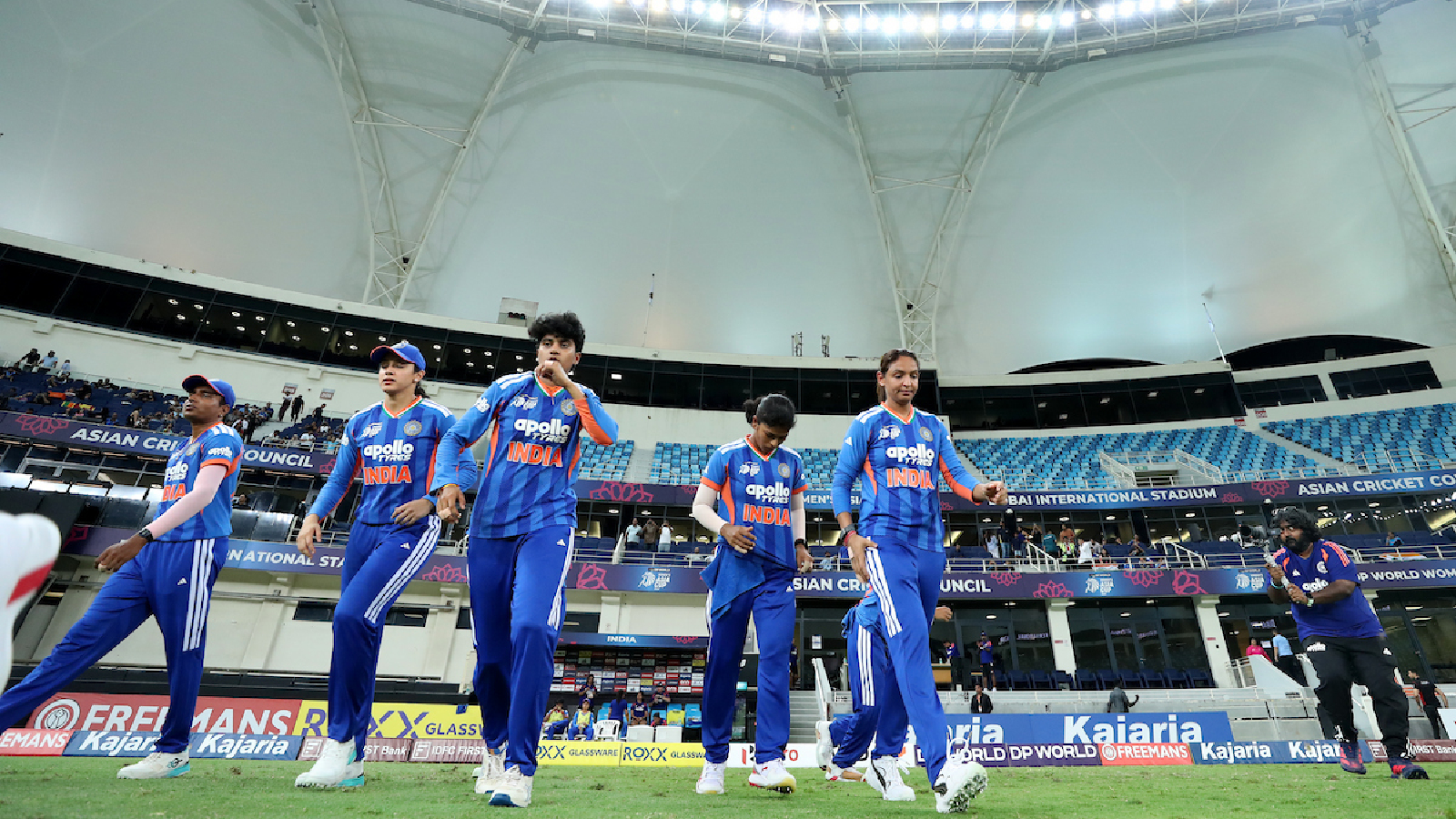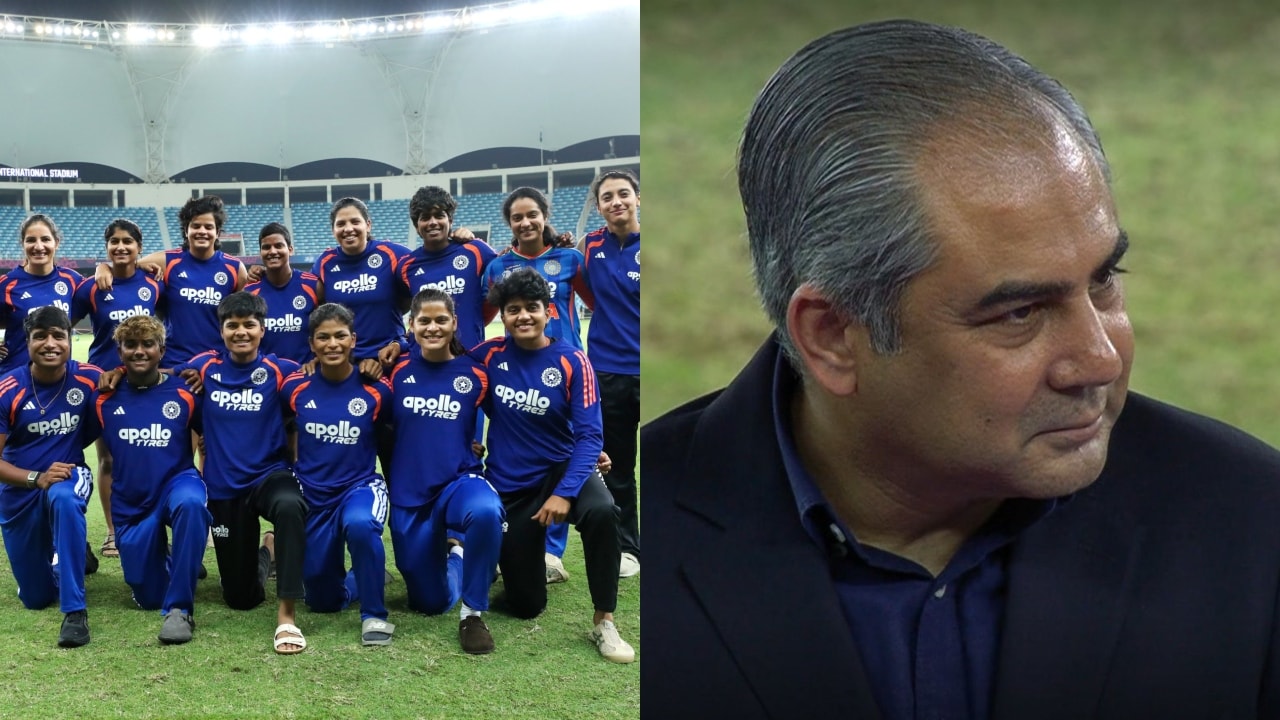
New reports suggest the BCCI had pre-emptively informed Mohsin Naqvi regarding the trophy situation amidst rising geopolitical tensions. The move aims to prevent a repeat of previous diplomatic friction on the field.
- BCCI reportedly informed Mohsin Naqvi in advance regarding trophy protocols.
- Geopolitical tensions remain a primary driver for decision-making in India-Pakistan cricket matches.
- The Suryakumar Yadav-led team previously declined silverware due to political stances.
The landscape of the Asia Cup is being overshadowed by off-field diplomatic maneuvering. According to recent developments, the Board of Control for Cricket in India (BCCI) had reportedly informed Mohsin Naqvi in advance regarding the potential scenarios involving the tournament trophy. This proactive communication aims to manage the volatile atmosphere surrounding India-Pakistan cricketing relations.
Journalist Devajit Saikia has provided assurance that the BCCI would ensure the trophies remain under its possession at a crucial stage of the proceedings. This strategic move is designed to navigate the complex intersection of sport and national politics, ensuring that the ceremony does not escalate into a diplomatic incident.
Why This Matters
BozokMedia analysis shows that this move by the BCCI is a masterclass in crisis management. By controlling the physical assets of the tournament—the trophies—the BCCI mitigates the risk of symbolic confrontations that could damage the reputation of the players or the board.
The trophy is no longer just a piece of silverware; it has become a symbol of geopolitical standing in South Asia.
The tension is not new. In 2025, the men's national team, led by Suryakumar Yadav, made headlines by declining to accept the silverware from Mohsin Naqvi. This decision was rooted in deep-seated geopolitical tensions and what was perceived as an anti-India stance by the PCB leadership, highlighting the extreme sensitivity of these encounters.
Historical Background
Cricket diplomacy has long been a tool and a casualty of the relationship between India and Pakistan. From the suspension of bilateral series to the complex negotiations regarding tournament hosting rights, every trophy presentation carries the weight of two nations' political histories.
Frequently Asked Questions
Question 1: Why did the Indian team refuse the trophy in 2025?
Answer: The decision was driven by geopolitical tensions and concerns regarding the political stance of the PCB leadership.
Question 2: Will the BCCI control the trophy during the next Asia Cup?
Answer: There are strong indications that the BCCI intends to maintain control over the silverware to prevent diplomatic friction.