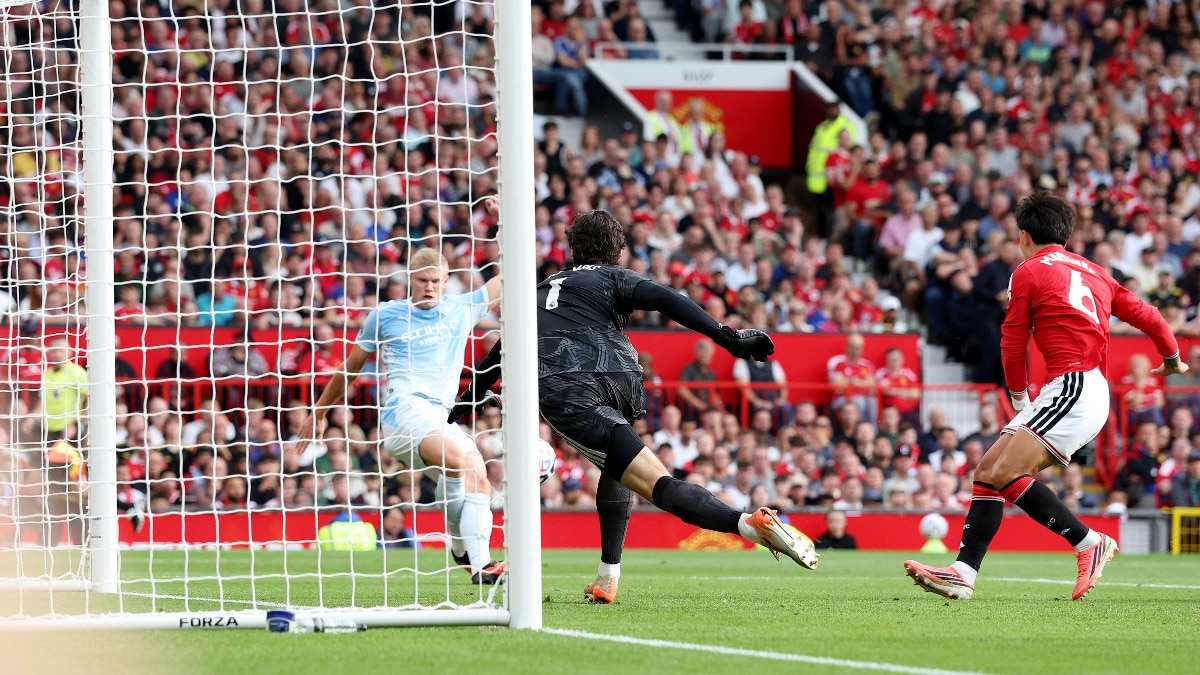
Manchester United edged Manchester City 2-1 after a disputed last‑minute penalty, sparking a fresh debate over VAR usage and league standings. The incident could reshape the Premier League title race and prompt policy reviews.
- Referee awarded a contentious penalty in the final minute
- United secured a 2-1 victory, tightening the top‑four race
- Potential overhaul of VAR protocols under discussion
On April 27, Manchester United clinched a 2-1 win over city rivals Manchester City at Liverpool’s Anfield, thanks to a last‑minute penalty that left fans and pundits stunned. The referee deemed a late challenge by City’s defender as a foul, allowing United’s striker to convert from the spot.
The result propelled United to third place in the Premier League table, but City lodged an official protest, arguing the decision was erroneous. The controversy has reignited calls for a review of the league’s Video Assistant Referee (VAR) system and its consistency.
Historical Background: The Manchester Derby dates back to 1881 and has featured over 180 meetings. In the past decade, the fixture has often determined the top‑four positions, amplifying its significance for title ambitions and European qualification.
Why This Matters
BozokMedia analysis shows that such controversial decisions can sway title races, affect sponsorship deals, and influence fan sentiment across the globe. A single referee call in a high‑profile derby often ripples through broadcasting revenues and club valuations.
"VAR should intervene only when clear and obvious errors occur; otherwise, the game's flow suffers," says former Premier League referee Howard Webb.
Frequently Asked Questions
Q1: Will City’s protest be upheld?
A: The Premier League has yet to issue a formal statement, but standard procedure involves a review panel that will decide the outcome.
Q2: How could this controversy affect next season?
A: If VAR inconsistencies persist, clubs may push for stricter guidelines, potentially reshaping officiating standards league‑wide.