From swim caps to hockey vests, palm-sized devices are decoding the secrets of elite performance for India's top athletes.
- Micro-sensors are providing real-time biometric data to elite athletes.
- Devices like GPS trackers and gyroscopes help prevent soft tissue injuries.
- High-tech tools are being used in swimming, hockey, rowing, and decathlon.
In the high-stakes arena of the Asian Games, the difference between gold and silver is often measured in milliseconds. Today, that difference is being decoded by devices smaller than a human palm. Athletes like PV Sindhu, Tejaswin Shankar, and the Indian women's hockey team are no longer relying solely on intuition; they are powered by cutting-edge micro-technology.
Take the Catapult Sport GPS tracker. Tucked discreetly into the back of a training vest, this compact device is a powerhouse of data. Equipped with an accelerometer, a satellite-linked GPS, and a gyroscope, it tracks everything from total distance covered to running symmetry. Wayne Lombard, head of athletic performance for the Indian women's hockey team, notes that this symmetry data is crucial for identifying if a player is placing undue load on one leg, which serves as an early warning system for potential injuries.
Why This Matters
BozokMedia analysis shows that the integration of wearable technology is shifting sports training from a 'trial and error' method to a precision science. By monitoring external loads and internal physiological responses, coaches can optimize training intensity to ensure athletes peak exactly when it matters most.
These tiny gizmos are transforming the invisible biological processes of an athlete into actionable, real-time data.
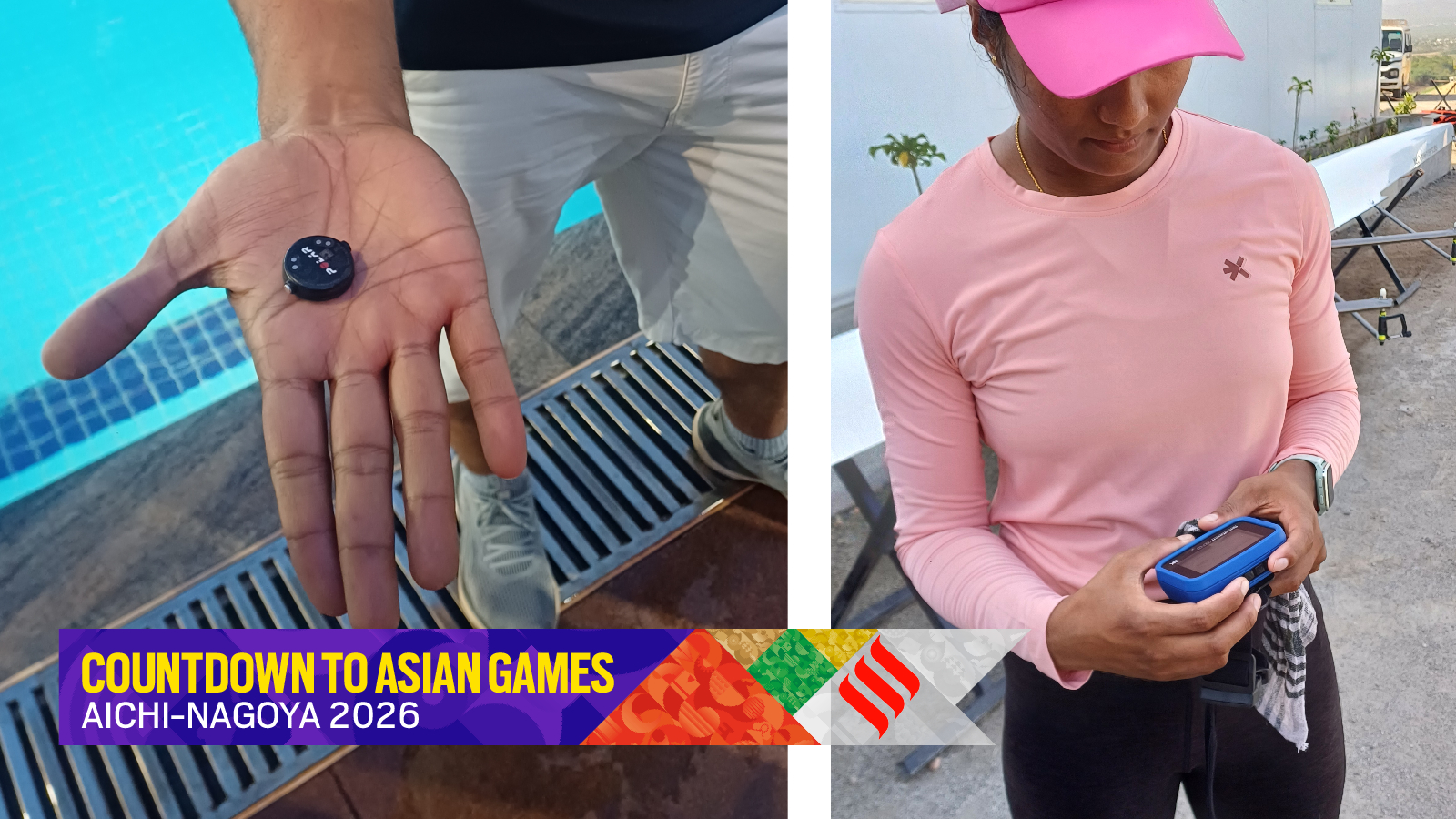
In the aquatic arena, the revolution is just as profound. Swimmers utilize the Polar Verity Sense to monitor heart rate zones and the TritonWear device, which is strapped behind the head. These tools break down stroke rates, push-off speeds, and lap times with surgical precision. Sandeep Sejwal, an Asian Games medalist, highlights that while these tools were once prohibitively expensive, they have become indispensable for elite training at institutes like IIS.
Even in rowing, tiny monitors clipped onto oars provide instant feedback on stroke rates. If a rower's intensity exceeds the target level, the data provides an immediate corrective signal, preventing wasted energy and ensuring optimal efficiency.
| Device Name | Primary Sport | Key Functionality |
|---|---|---|
| Catapult Sport GPS | Hockey, Badminton, Cricket | Distance, speed, and running symmetry |
| Polar Verity Sense | Swimming | Heart rate and energy zone monitoring |
| TritonWear | Swimming | Stroke rate and aquatic velocity |
| Eaglenos Monitor | Decathlon | Lactate level tracking |
For multi-event athletes like decathlete Tejaswin Shankar, the technology goes even deeper. Using the Eaglenos lactate monitor, coaches can perform finger-prick tests to measure lactate levels after specific events. This allows them to gauge the metabolic stress on the body, ensuring the athlete doesn't cross the threshold into overtraining or exhaustion.
Frequently Asked Questions
Question 1: How does GPS technology help in non-running sports like hockey?
Answer: It tracks movement patterns, speed, and physical exertion, allowing coaches to manage the 'load' on players to prevent fatigue.
Question 2: Are these devices used in all professional sports?
Answer: While common in elite levels, their use is expanding as the technology becomes more affordable and specialized.