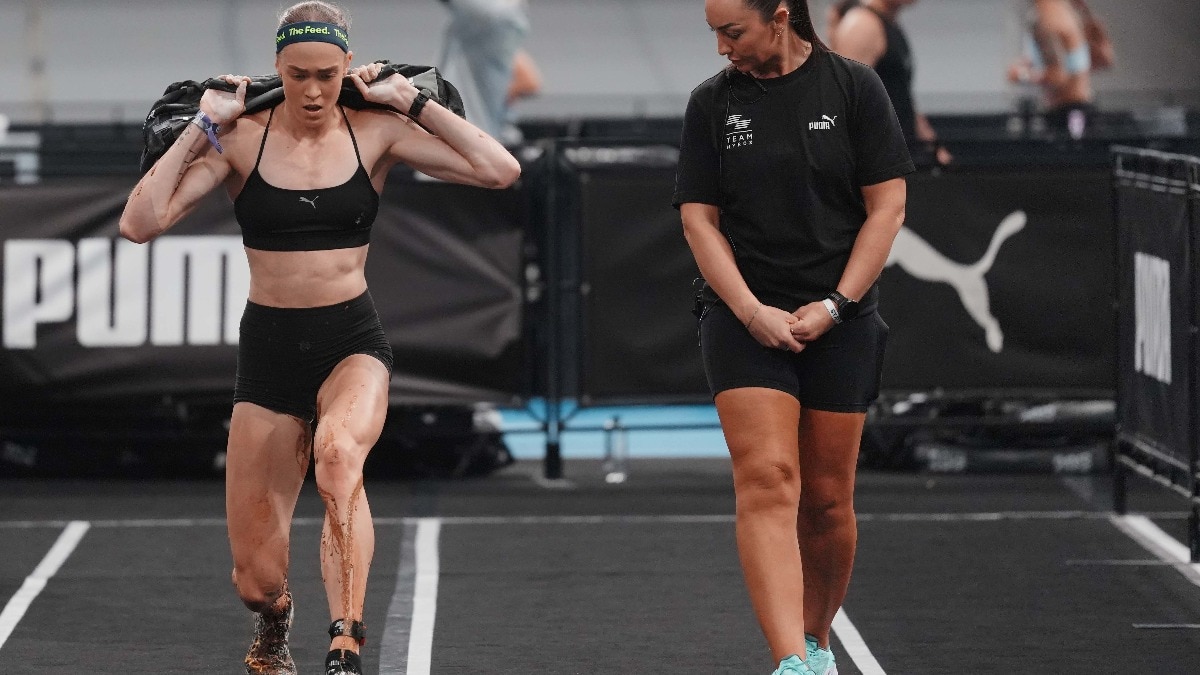
During the Beijing Hydro Cross competition, Australian athlete Joanna Vietrizic experienced a bowel accident. Medical experts explain how high-intensity exercise and hydration issues lead to this condition.
- High-intensity exercise diverts blood flow from the digestive system to working muscles.
- Improper hydration (too much or too little water) is a major trigger for 'Runner's Diarrhea'.
- Pre-race dietary trials are essential for professional athletes to prevent gastrointestinal distress.
A startling incident during the Beijing Hydro Cross competition has captured global attention. Australian athlete Joanna Vietrizic experienced a bowel accident mid-race, an event that has sparked widespread discussion on social media. While the incident may seem embarrassing, it is a recognized medical phenomenon tied to extreme physical exertion.
When athletes push their bodies to the absolute limit, the body undergoes significant physiological shifts. During high-intensity racing, blood flow is aggressively redirected toward the lungs, heart, and active skeletal muscles to meet oxygen demands. Consequently, the blood supply to the digestive tract is temporarily reduced, which can lead to sudden and uncontrollable intestinal activity.
Why This Matters
BozokMedia analysis shows that managing internal biological responses is just as crucial as physical conditioning. This incident highlights how physiological stress can override even the most disciplined athletes' control over their bodily functions.
Extreme physical stress and the redistribution of blood flow can cause sudden gastrointestinal instability.
Dr. Rahul Grover, Associate Professor at the Sports Injury Department of Safdarjung Hospital, Delhi, explains that this condition is commonly known as 'Runner's Diarrhea'. He notes that hydration levels play a critical role; consuming excessive amounts of water or being severely dehydrated immediately before a race can trigger sudden bowel movements.
Preventative Strategies for Athletes
To mitigate these risks, medical professionals suggest that athletes conduct 'trial runs' with their nutrition and hydration protocols. Understanding how specific foods and water intake timings affect the gut is vital for competitive performance.
Furthermore, if an athlete experiences intense abdominal cramping or an urgent need for a restroom during a competition, experts advise taking a brief pause rather than forcing through the discomfort, which could lead to similar accidents.
Frequently Asked Questions
Question 1: What causes 'Runner's Diarrhea'?
Answer: It is caused by the diversion of blood flow from the gut to the muscles and hormonal changes during intense exercise.
Question 2: Can hydration prevent this?
Answer: Yes, maintaining a balanced and tested hydration strategy is key to preventing gastrointestinal distress.