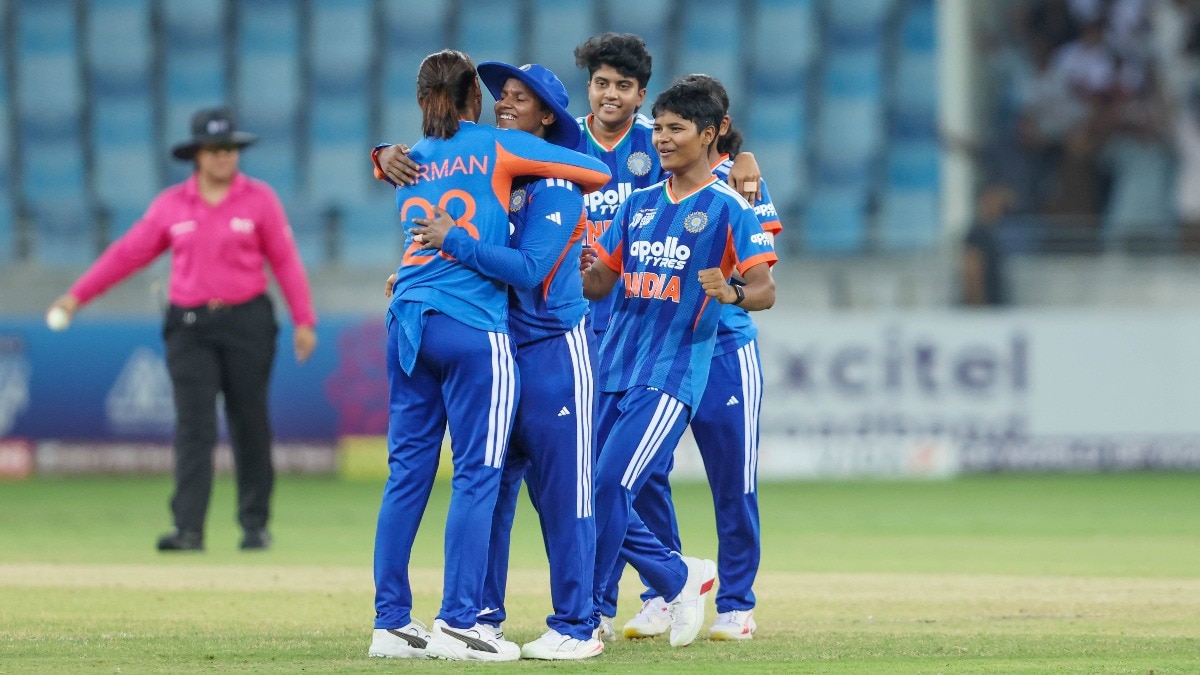
While India dominated the Women's Asia Cup in Dubai to claim the title, critical flaws in the batting order and pace attack remain unresolved heading into the Asian Games.
- India secured the Women's Asia Cup title in Dubai with an unbeaten run.
- Smriti Mandhana and Shafali Verma were the standout performers with the bat.
- Concerns remain regarding the No. 3 batting position and the lack of a pace bowling leader.
The Indian women's cricket team has once again asserted its dominance in the Asian continent by sweeping the Women's Asia Cup in Dubai. Displaying clinical precision, India went through the tournament undefeated, reinforcing their status as a powerhouse. However, beneath the surface of this triumphalist campaign, several structural weaknesses have surfaced that could haunt the team in upcoming major competitions like the Asian Games and the next T20 World Cup.
A Dominant Tournament Run
India's campaign was nothing short of overwhelming. From a massive 94-run victory over Thailand to dismantling Pakistan for a mere 55 runs, the Indian side left little room for opposition resistance. The spin trio of Sree Charani, Deepti Sharma, and Prema Rawat proved lethal, weaving a web that left batters clueless. On the batting front, the opening duo of Smriti Mandhana and Shafali Verma provided the necessary firepower. Shafali emerged as the tournament's leading run-scorer with 236 runs, while Mandhana followed closely with 213 runs.
The Batting Order Conundrum
Despite the heavy scoring from the openers, the middle order remains a significant area of concern. The absence of Jemimah Rodrigues left a void at the crucial No. 3 position. Pratika Rawal, tasked with filling this gap, struggled significantly, averaging just 14 across four matches. Even the captain, Harmanpreet Kaur, found it difficult to stabilize the innings in the final. Furthermore, the 'finishing' department, which relies heavily on Richa Ghosh, lacked the expected impact, as Ghosh managed only 49 runs throughout the tournament.
Spin Mastery vs. Pace Deficit
The Dubai conditions heavily favored spin, which played directly into India's strengths. Deepti Sharma led the bowling charts with 14 wickets. However, the pace attack lacked a commanding presence. While Nandani Sharma showed promise, the absence of a fit and in-form Renuka Singh left the team without an experienced leader to spearhead the new-ball attack. This imbalance suggests that while India can dominate on turning tracks, they may struggle on surfaces that offer bounce and pace.
Why This Matters
BozokMedia analysis shows that dominance in regional tournaments can often mask deep-seated tactical issues. For India to transition from continental champions to global titans, they must move beyond a heavy reliance on their top two batters and find a sustainable solution for their middle order and fast-bowling leadership.
Winning trophies is a testament to talent, but fixing structural flaws is the hallmark of a true championship dynasty.
Frequently Asked Questions
Question 1: Who were the top performers for India in the Asia Cup?
Answer: Shafali Verma was the leading run-scorer, and Deepti Sharma was the leading wicket-taker.
Question 2: What is the main concern for the Indian team moving forward?
Answer: The main concerns are the instability in the No. 3 batting position and the lack of an experienced leader in the pace bowling unit.