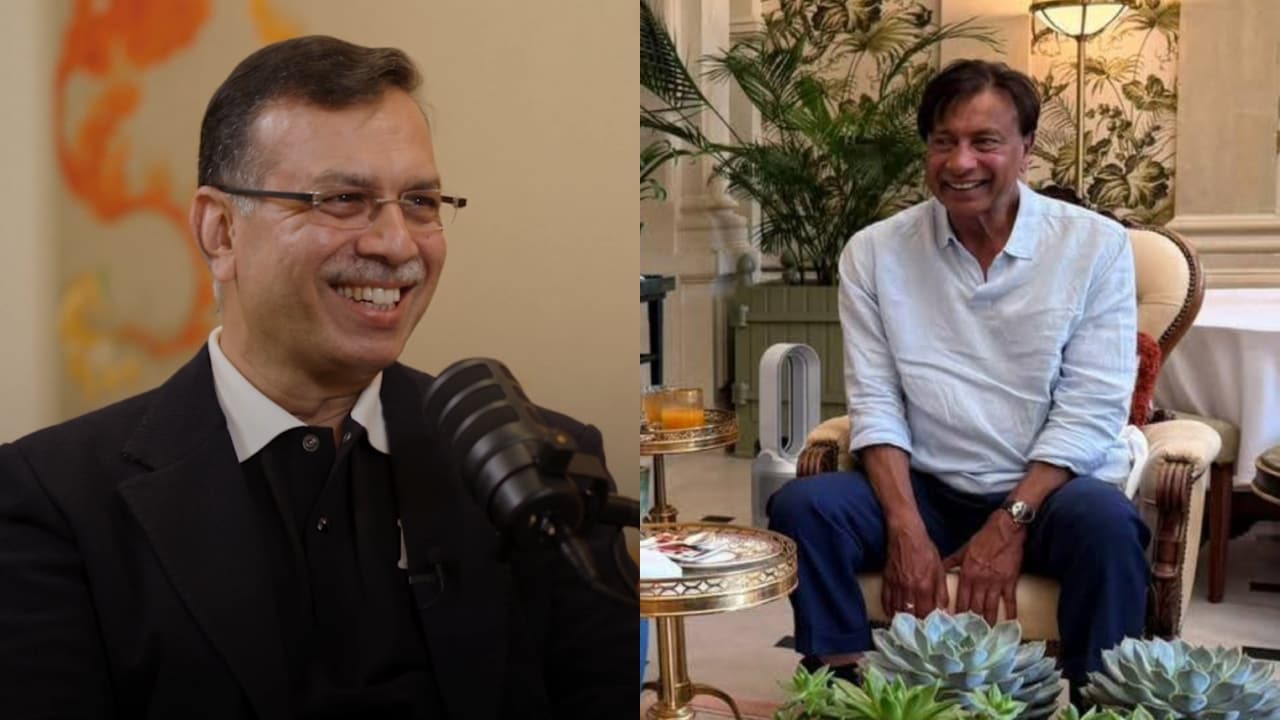
Indian tennis talents Minutu Nagal and Dhakshineswar are bracing for a tactical battle in Korea, where slow and low-bouncing courts are expected to dominate.
- The Korean tournament will feature slow-paced, low-bounce court surfaces.
- Indian players Minutu Nagal and Dhakshineswar must adapt their strategies.
- Court conditions will heavily influence match duration and player fatigue.
The upcoming tennis circuit in Korea is set to pose a significant technical challenge to Indian representatives Minutu Nagal and Dhakshineswar. Reports indicate that the tournament will be played on courts characterized by a "slow and low-bounce" profile, a condition that demands extreme precision and physical endurance from the athletes.
Technical Implications of Court Surface
In professional tennis, the interaction between the ball and the court surface dictates the entire rhythm of the match. A slow, low-bouncing court means the ball retains less kinetic energy upon impact and fails to rise significantly. This forces players to stay lower to the ground, often leading to grueling, extended rallies that test even the most elite conditioning.
Why This Matters
BozokMedia analysis shows that such conditions often shift the advantage toward defensive specialists and baseline grinders who can absorb pace and redirect it. For players like Nagal and Dhakshineswar, the ability to generate their own power without relying on the bounce of the ball will be the deciding factor in their success.
Success on low-bounce surfaces is determined by footwork efficiency and the ability to maintain stability during deep rallies.
Historically, international players often struggle when transitioning between different court speeds. While many Indian players excel on faster hard courts or specialized clay, the specific friction levels found in Korean venues require a unique tactical adjustment in swing timing and court positioning.
Frequently Asked Questions
1. How does a low-bounce court affect a player's game?
It requires players to have exceptional flexibility and lower center of gravity to strike the ball effectively.
2. Will this favor aggressive players?
Generally, no. Slow courts tend to neutralize big serves and favor players who can outlast opponents in long exchanges.