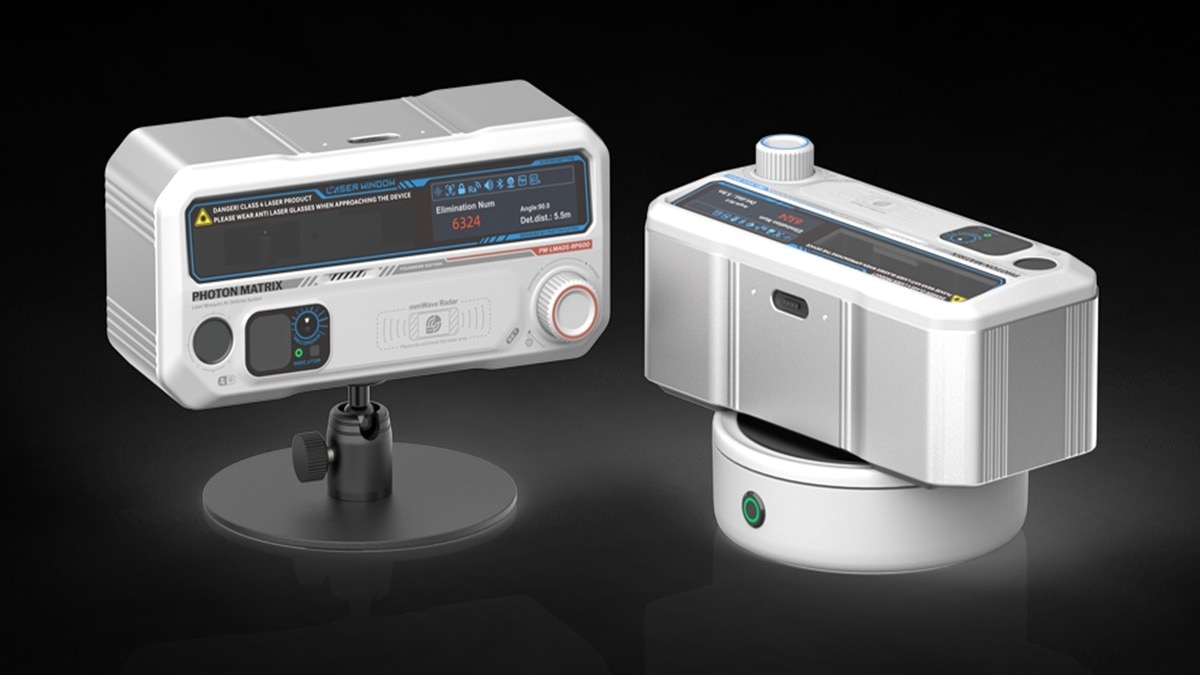
A Chinese startup has introduced the Photon Matrix, a laser‑based device that destroys flying mosquitoes within just six metres. The chemical‑free system can be deployed in homes, parks, or rooftops, offering a novel solution to mosquito‑borne diseases.
Key Takeaways
- Photon Matrix uses laser technology to eliminate mosquitoes.
- Targets insects from a distance of just 6 metres.
- Chemical‑free solution suitable for homes and public spaces.
Introduction
Chinese startup Photon Matrix has unveiled a device that employs high‑intensity laser and infrared beams to instantly vaporize mosquitoes mid‑air. By eliminating the need for chemical sprays, the system aims to reduce health risks associated with mosquito‑borne illnesses.
Technical Details
The unit integrates multiple sensors capable of detecting flying insects up to six metres away. Once a target is identified, a focused laser pulse is fired, scorching the insect on contact. The technology is also effective against other airborne pests, not just mosquitoes.
Applications
Designed for versatility, Photon Matrix can be installed in homes, rooftops, parks, or parking areas. Its chemical‑free operation makes it environmentally safe, while its precision promises to curb the spread of diseases such as dengue and malaria.
Historical Background
Traditional mosquito control has relied on chemical sprays, traps, and fogging, which often pose ecological and health concerns. Over the past two decades, laser‑based pest control remained largely experimental. Photon Matrix represents the first commercial‑grade prototype to bring this concept to everyday use.
Why This Matters
BozokMedia analysis shows that a targeted, chemical‑free laser solution could be a game‑changer for public health, especially in densely populated urban areas where mosquito‑borne diseases spread rapidly.
"Laser‑based pest control is the future, marrying precision with safety," says Dr. Ajay Singh, entomology expert.
Frequently Asked Questions
Q1: Can the device harm humans?
A: The system is engineered with safety protocols and directed beams, minimizing any risk to people.
Q2: Does it work on all types of insects?
A: Currently it targets mosquitoes and similarly sized flying insects; future versions may expand to other pests.