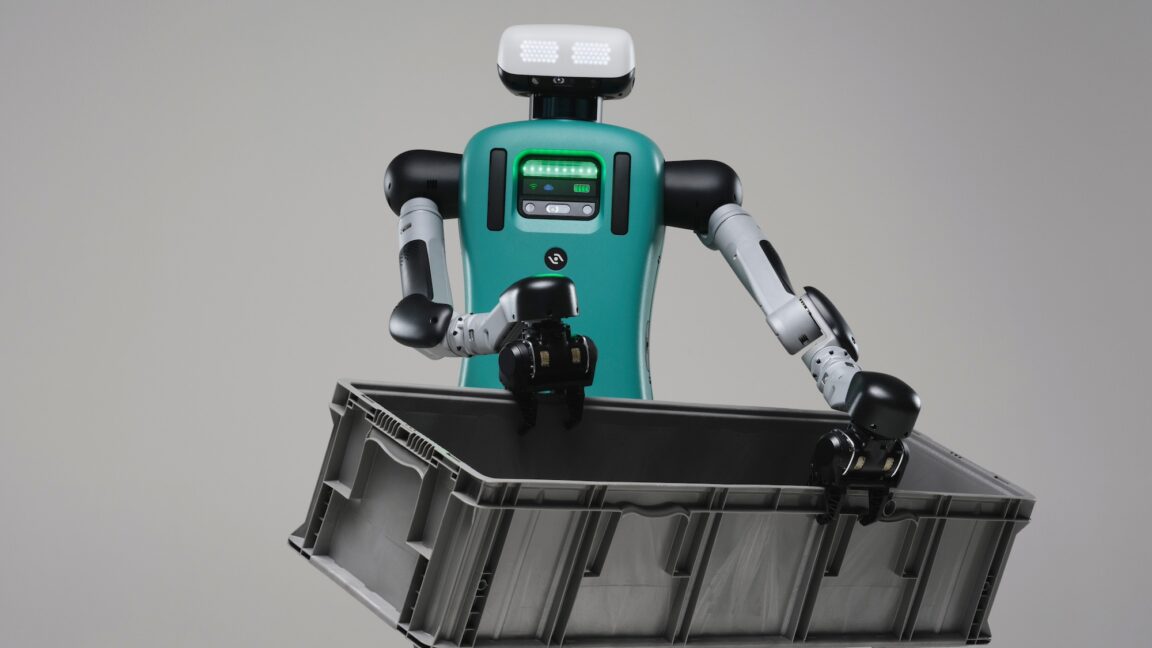
Leading robotics researchers and startup founders explain how artificial intelligence is expanding robot autonomy beyond navigation to complex tasks. This shift could reshape factories, offices, and even household chores.
Self‑driving robotaxis cruising city streets and delivery drones dropping packages at doorsteps are no longer futuristic concepts—they are happening now. The common thread behind these advances is artificial intelligence (AI) that endows robots with unprecedented autonomy. While the early vision focused on transport, the same technology is poised to bring multi‑purpose robots into factories, offices, and homes.
From Point‑to‑Point to Full‑Task Autonomy
Matt Malchano, vice president of software at Boston Dynamics, recalls that fifteen years ago his team’s ambition was simply to get a robot from point A to point B. Today, autonomy means a robot can perceive, decide, and act across a wide spectrum of tasks without human intervention. Breakthroughs in deep learning, reinforcement learning, and sensor‑fusion have turned static navigation scripts into adaptive, context‑aware agents.
Historical Milestones
In the 1990s, robotics was largely confined to industrial assembly lines, where repeatable motions were pre‑programmed. The turn of the millennium introduced mobile platforms and SLAM (Simultaneous Localization and Mapping), allowing robots to map unknown environments. Now, AI‑driven vision systems coupled with edge‑cloud computing enable robots to anticipate hazards, recognize objects, and even learn new skills on the fly.
Investment Surge and Startup Ecosystem
Venture capital has poured over $30 billion into AI‑robotics startups in the past five years, encouraging many academic researchers to spin out companies. Notable examples include AI‑enhanced gripping solutions, autonomous mobile manipulators, and household assistants such as “Cloi” and “Tidy” that have secured multi‑stage funding rounds.
Future Outlook
If the current trajectory holds, the next decade could see:
- Fully automated production and logistics pipelines where humans supervise exceptions rather than perform routine tasks.
- Domestic robots handling cleaning, cooking, and elder‑care, turning homes into smart, assisted environments.
- Safety‑critical deployments like autonomous firefighting drones and disaster‑response bots.
These opportunities are matched by ethical and regulatory challenges. Workforce displacement, data privacy, and accountability for robot‑made decisions will demand proactive policy frameworks.



