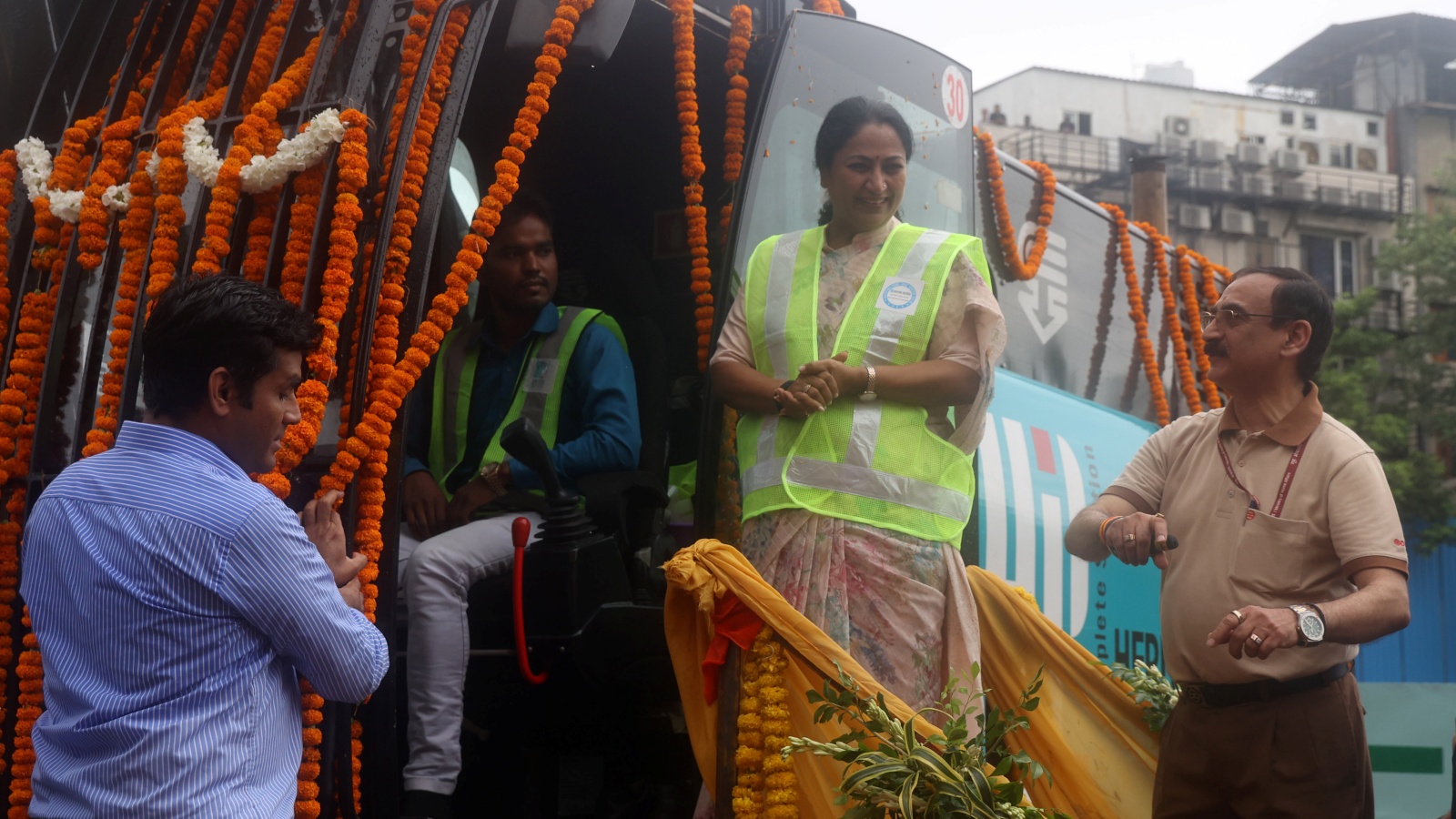
Delhi Chief Minister Rekha Gupta inaugurated the 12.3‑km Inderlok‑Indraprastha metro corridor on July 10, 2026. The project will stretch the Magenta Line to 89 km, promising faster, greener connectivity across the capital.
New Delhi – On July 10, 2026, Delhi Chief Minister Rekha Gupta officially kicked off construction of a 12.3‑km underground metro corridor linking Inderlok to Indraprastha. The stretch forms a full underground extension of the Delhi Metro Rail Corporation’s (DMRC) Magenta Line (Line‑8) and will feature ten new stations.
Project Blueprint
The corridor will include stations at Inderlok, Daya Basti, Sarai Rohilla, Ajmal Khan Park, Jhandewalan Temple, Nabi Karim, New Delhi, Delhi Gate, Delhi Secretariat‑IG Stadium and Indraprastha. The first phase, a diaphragm wall at Sarai Rohilla station, has already been launched, marking a critical milestone.
Network Integration
Interchanges will be provided at Inderlok (with Red and Green Lines), Nabi Karim (Magenta Line), New Delhi (Yellow and Airport Express/Orange Line), Delhi Gate (Violet Line) and Indraprastha (Blue Line). This dense web of connections will streamline travel between ITO, Indraprastha, New Delhi, major railway terminals and key government complexes.
Historical and Environmental Significance
The corridor received Union Cabinet approval in March 2024, and Prime Minister Narendra Modi laid its foundation stone the same month. Upon completion, the Magenta Line will stretch to nearly 89 km, becoming the longest line in the DMRC network. The extension is expected to cut private‑car usage, lower air‑pollution levels and boost energy efficiency, aligning with Delhi’s broader green‑city ambitions.
Future Outlook and Challenges
This project is one of three non‑priority corridors under Phase IV of DMRC’s expansion plan. While the Lajpat Nagar‑Saket G‑Block extension began last month, work on the Rithala‑Kundli corridor is still pending despite Cabinet approval in December 2024. Technical complexities such as deep‑soil conditions, land‑acquisition hurdles and strict timelines pose significant challenges.
Conclusion
When delivered on schedule, the Inderlok‑Indraprastha corridor will dramatically reduce commuter travel time, decongest road networks and set a benchmark for sustainable urban mobility in India’s capital. Analysts stress that successful execution will reflect the government’s ability to coordinate large‑scale infrastructure projects and uphold public‑private partnership models.