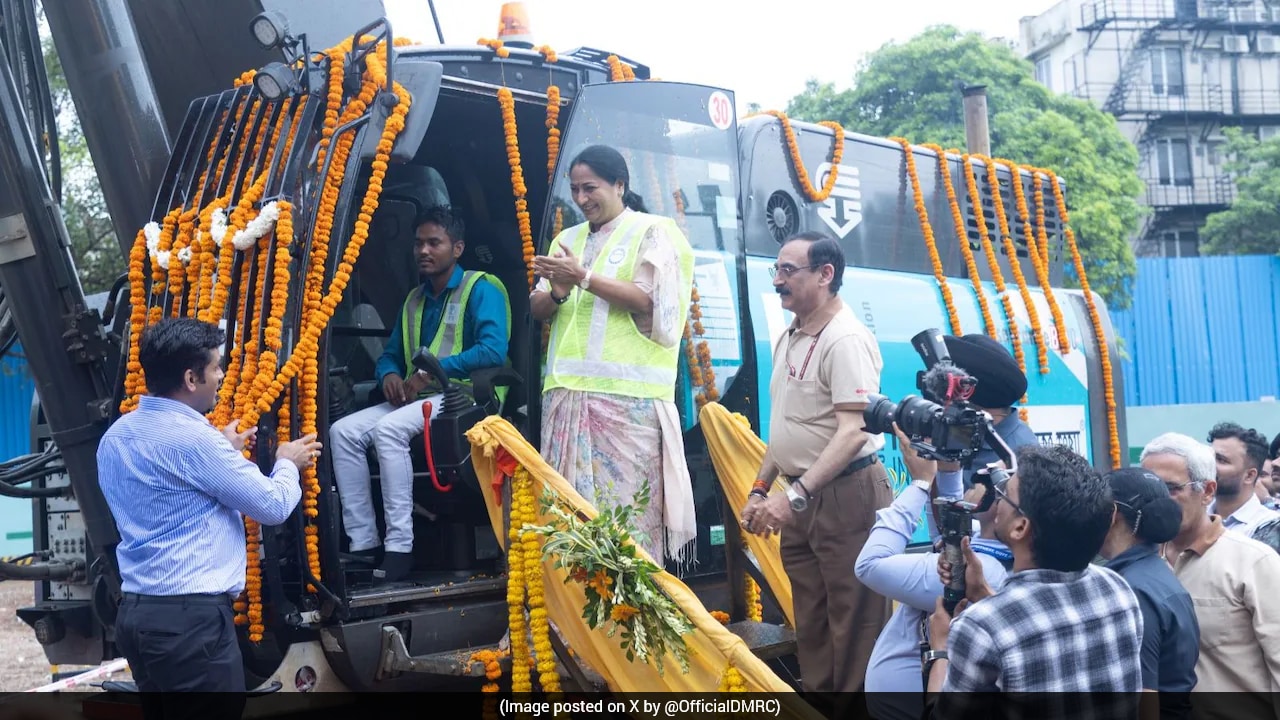
The Delhi Metro Rail Corporation (DMRC) has begun construction on the 12.377‑km Inderlok‑Indraprastha corridor, featuring 10 new stations that will link seven existing lines. The fully underground stretch will enhance connectivity across central Delhi, offering commuters a faster, more integrated travel option.
On Thursday, the Delhi Metro Rail Corporation (DMRC) officially kicked off the construction of the 12.377‑kilometre Inderlok‑Indraprastha corridor. Entirely underground, the new line will host ten stations and integrate with seven of Delhi's existing metro lines, creating a seamless network through the city’s core.
Project Overview
The corridor will connect the strategic termini of Inderlok and Indraprastha, both situated in densely populated zones. The ten stations are positioned to serve major commercial districts, residential neighborhoods, and government offices, promising a marked reduction in daily commute times for millions of passengers.
Strategic Significance
This extension strengthens Delhi’s already extensive metro system, which has seen rapid growth through Phase‑III and Phase‑IV projects. By providing a direct link between central business hubs and transit‑heavy zones, the line is expected to alleviate road congestion and improve overall urban mobility.
Construction Technology and Timeline
DMRC is employing state‑of‑the‑art Tunnel Boring Machines (TBMs) to accelerate underground work while maintaining rigorous safety standards. The project is slated for completion by mid‑2027, using pre‑stressed concrete segments and modular station designs that simplify future maintenance.
Economic and Social Impact
Analysts estimate that the corridor will accommodate an additional 2.5 million riders per day, boosting public‑transport share and reducing carbon emissions. The surrounding property market is likely to experience value appreciation, while local businesses anticipate increased footfall, creating a ripple effect of economic growth.
Future Outlook
Positioned within Delhi’s broader "Smart City" vision, the new corridor will knit together a network of over ten metro lines, delivering a faster, safer, and greener commuting experience. It sets a precedent for other Indian metros seeking to expand capacity while championing sustainable urban development.