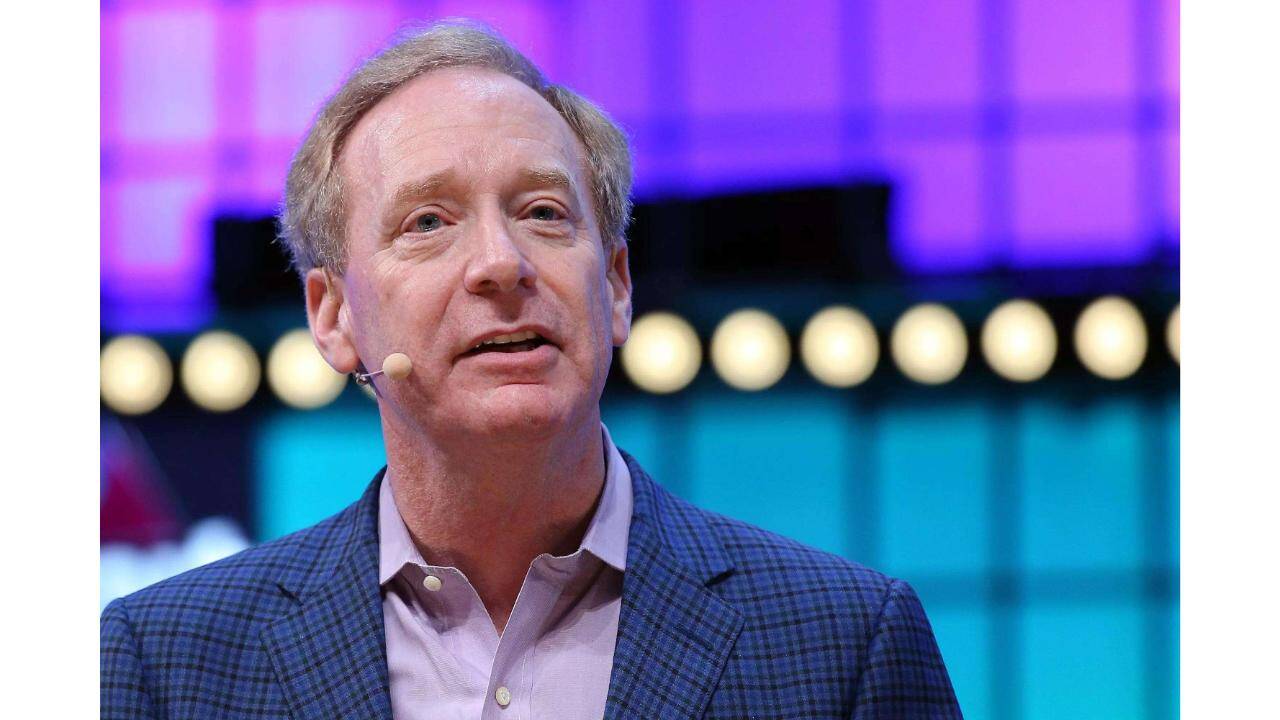
Microsoft President Brad Smith has criticized the US government's restrictive approach toward AI model exports, calling for a balanced regulatory framework.
The Friction Between Regulation and Innovation
Microsoft President Brad Smith has emerged as a vocal critic of the US government's recent crackdown on the export and deployment of advanced Artificial Intelligence (AI) models. Smith contends that the current administration has attempted to regulate cutting-edge technology without establishing the necessary transparency or a coherent set of rules. This critique comes in the wake of the Commerce Department's restrictions on models developed by Anthropic and OpenAI, which were implemented under the guise of mitigating cybersecurity risks.
Analyzing the Cybersecurity Justification
While Smith acknowledged that the government's concerns regarding national security are legitimate, he argued that the execution of these policies was flawed. According to Smith, the administration lacks the appropriate regulatory tools to distinguish between benign commercial use and malicious state-sponsored exploitation. This 'blunt instrument' approach to regulation risks stifling the very innovation that gives the United States its competitive edge in the global tech landscape.
The Geopolitical Stakes of AI Governance
The tension highlights a broader struggle in the AI arms race, particularly between the US and China. The US government is keen to prevent 'dual-use' AI capabilities—technologies that can be used for both civilian and military purposes—from falling into the hands of adversaries. However, the lack of a transparent framework creates a chilling effect across the industry, making it difficult for AI labs to plan long-term investments and international collaborations.
A Call for Collaborative Governance
Moving forward, Brad Smith is advocating for a more nuanced and balanced regulatory conversation. He emphasizes that for AI governance to be effective, it must be a collaborative effort involving policymakers, ethicists, and the architects of the technology itself. By shifting from a mindset of 'restriction' to one of 'managed safety,' the US can protect its national interests without alienating the innovators who drive the digital economy.