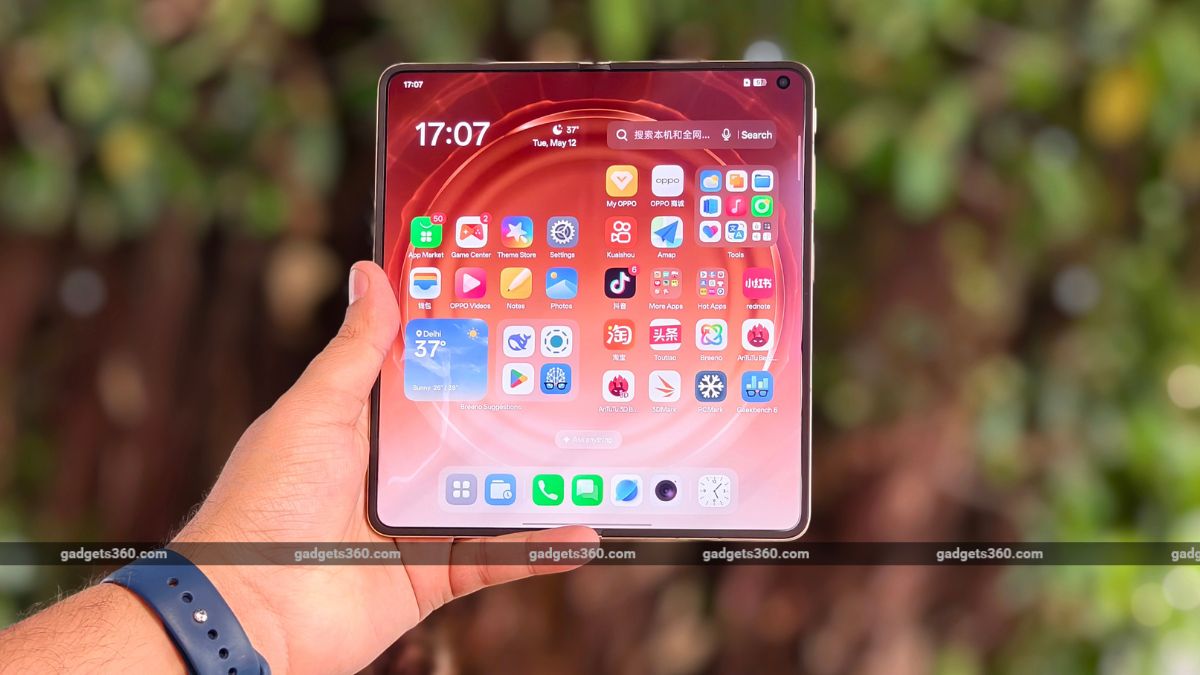
Apple is poised to launch its inaugural foldable iPhone, dubbed iPhone Ultra, alongside the iPhone 18 Pro and Pro Max. Leaks suggest the device will feature one of the flattest foldable screens ever, with a barely visible crease thanks to a novel hinge mechanism.
Key Takeaways
- iPhone Ultra will use a new torque‑controlled hinge to deliver a near‑crease‑free display.
- Mass production is underway; a September 2026 launch is anticipated.
- The device could reshape the premium foldable market and challenge Samsung, Google, and others.
Apple is gearing up to introduce its first foldable smartphone, tentatively named iPhone Ultra, in tandem with the iPhone 18 Pro and iPhone 18 Pro Max. The hallmark of the Ultra is a “near crease‑free” OLED panel, achieved through a proprietary hinge design that distributes stress evenly across the screen, rendering the fold line almost invisible.
Technical Innovation Behind the Hinge
Foldable phones have been on the market for roughly half a decade, yet most suffer from a visible crease where the screen bends. Samsung, Huawei, and others have experimented with various hinge architectures, but a truly seamless fold remains elusive. Apple’s engineers reportedly devised a “torque‑controlled” hinge that locks the display at a precise angle, minimizing mechanical strain and virtually eliminating the crease.
Production Status and Launch Timeline
Multiple reliable supply‑chain sources confirm that the iPhone Ultra is already in mass‑production facilities and could be unveiled at Apple’s September 2026 event. Some analysts caution that the intricate hinge may pose “manufacturing challenges,” potentially nudging the launch date by a few weeks. Nonetheless, Apple’s vertically integrated supply chain typically absorbs such hurdles without major delays.
Market Implications and Competitive Landscape
If Apple delivers on the promise of an almost invisible fold, the Ultra could redefine the premium foldable segment. Samsung’s Galaxy Z Fold series currently dominates, but its higher price point and visible crease have limited broader adoption. Apple’s ecosystem, software integration, and brand cachet could attract consumers who have been hesitant about foldables, forcing rivals to accelerate their own R&D.
Future Outlook
A successful Ultra would likely pave the way for a broader portfolio of foldable devices—perhaps a foldable iPad or even a Mac‑like laptop with a flexible display. Moreover, the hinge technology could spill over into other hardware innovations, such as magnetic charging, advanced AR/VR integration, and more durable form factors.



