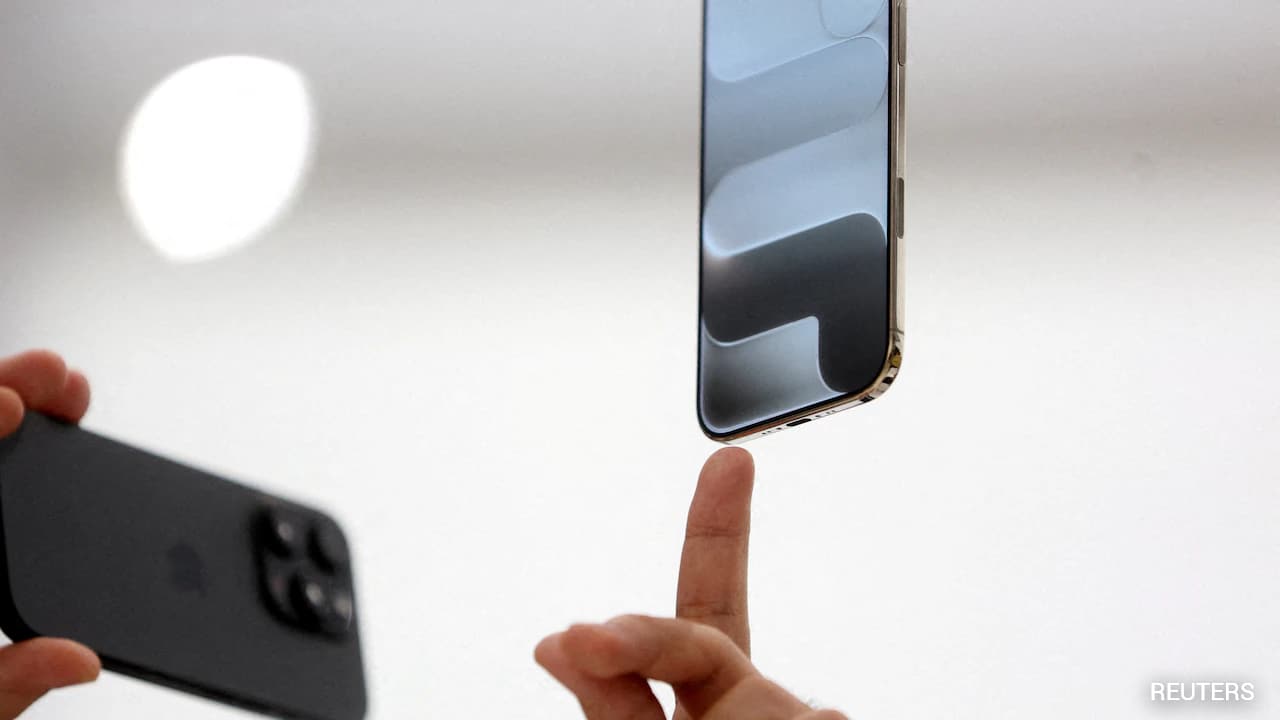
Apple claims that over 400 former staff now work at OpenAI, raising concerns over the leakage of confidential product designs and supply‑chain strategies. The complaint filed in a California federal court accuses a coordinated effort to steal trade secrets.
मुख्य बिंदु (Key Takeaways)
- Apple files a lawsuit against OpenAI and two former employees for alleged trade‑secret theft.
- More than 400 ex‑Apple staff are now employed by OpenAI, intensifying data‑leak worries.
- The complaint alleges theft of product designs, manufacturing processes, and supply‑chain strategies.
Apple has lodged a comprehensive complaint in the U.S. District Court for the Northern District of California, accusing OpenAI and two former Apple engineers of orchestrating a large‑scale theft of confidential information. The lawsuit asserts that OpenAI has hired over 400 former Apple employees, many of whom had access to sensitive product roadmaps, chip designs, and manufacturing procedures.
Background Context
While Apple dominates consumer hardware and services, OpenAI leads in artificial‑intelligence research. The two firms have historically operated in different market segments, yet the race for AI‑enhanced devices has drawn them into overlapping talent pools. In recent years, the tech sector has witnessed a surge in “talent poaching,” prompting several high‑profile legal battles over non‑disclosure agreements (NDAs) and trade‑secret protection. Apple itself previously sued a senior engineer in 2022 for similar violations, underscoring the company’s aggressive stance on intellectual‑property enforcement.
Key Allegations
The complaint details that OpenAI allegedly received proprietary Apple data through a coordinated network of former staff. Specifically, the two named ex‑employees are accused of transmitting detailed schematics, supply‑chain logistics, and manufacturing processes to OpenAI’s research teams. Apple argues that such disclosures could give OpenAI an unfair advantage in integrating AI capabilities into future hardware, thereby eroding Apple’s competitive edge.
Potential Implications
If the court rules in Apple’s favor, OpenAI could face substantial monetary penalties and injunctions restricting its use of the alleged stolen information. Moreover, the former employees could be subject to renewed NDA enforcement and possible civil damages. The case also sets a precedent for how AI firms must handle proprietary data acquired from former employers, prompting a broader industry debate on data‑security protocols and employee mobility.
Overall, this lawsuit marks a pivotal moment in the intersection of traditional hardware giants and emerging AI powerhouses, where the boundaries of trade‑secret protection are being tested in a rapidly evolving technological landscape.