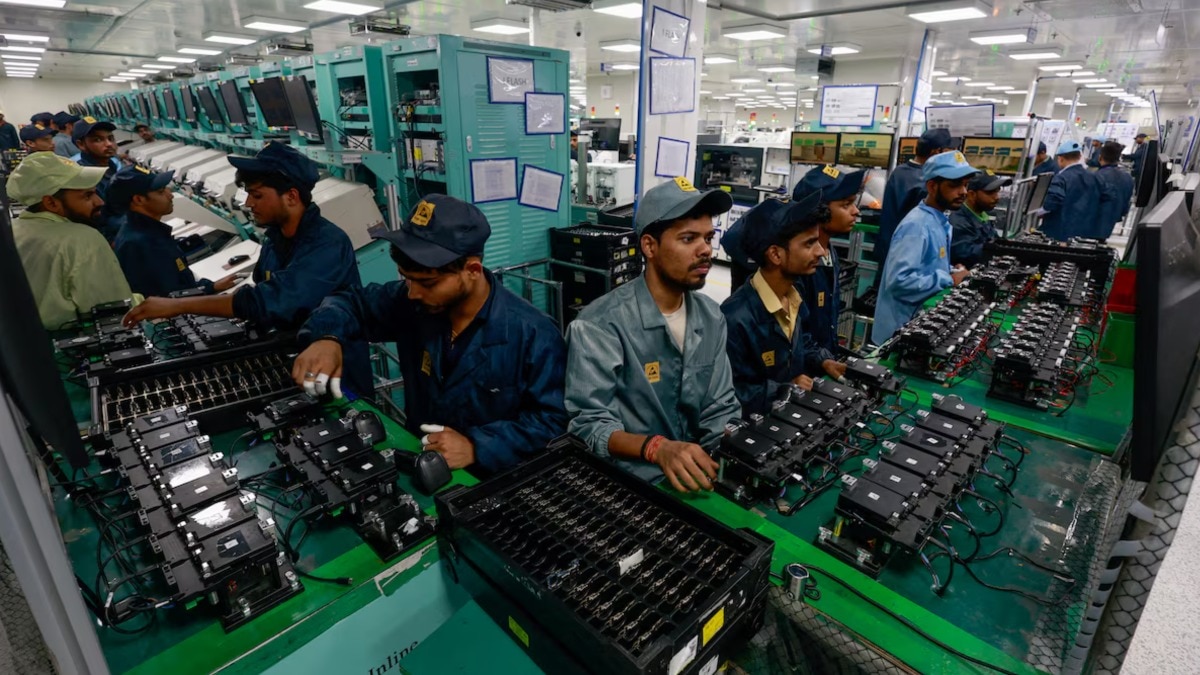
The Indian government has cleared the Dixon Technologies and Vivo Mobile India partnership, paving the way for a major increase in domestic smartphone manufacturing. The approval, granted under Press Note 3, reflects heightened scrutiny of foreign investments with security implications.
Key Takeaways
- Dixon‑Vivo joint venture receives formal government approval
- Dixon holds 51% stake, Vivo 49% in the new manufacturing entity
- Approval granted under Press Note 3, emphasizing security‑focused foreign investment review
New Delhi – The Department for Promotion of Industry and Internal Trade (DPIIT) under the Ministry of Commerce and Industry has officially approved the joint venture between Dixon Technologies and Vivo Mobile India. The partnership will establish a new company, with Dixon owning 51% and Vivo 49%, to manufacture smartphones and other electronic devices within India.
Regulatory Context
The deal, first sealed by a binding term sheet in December 2024, awaited clearance under Press Note 3 of 2020 – a rule that mandates prior government approval for investments from nations sharing a land border with India, notably China. Introduced during the COVID‑19 pandemic, the rule remains in force due to ongoing security concerns, underscoring India’s cautious yet facilitative stance toward foreign tech collaborations.
Economic Impact for Both Parties
Dixon projects that the venture could add 20‑22 million smartphone units to its annual output, potentially generating roughly ₹30,000 crore in incremental revenue once fully operational. With an initial capital infusion of ₹5 crore aligned with shareholding ratios, production is slated to commence in the December quarter of the current fiscal year, targeting 11 million devices in FY27 and scaling further in FY28.
Strategic Implications
The new entity will primarily assemble Vivo‑branded phones but will also be authorised to produce devices for other brands, expanding Dixon’s contract‑manufacturing portfolio. Industry analysts see this as a catalyst for a robust “Make‑in‑India” ecosystem, encouraging multinational firms to partner with domestic players while adhering to stringent security protocols.
Looking Ahead
Beyond boosting domestic supply chains, the Dixon‑Vivo collaboration signals a nuanced policy balance: fostering high‑tech investment without compromising national security. If successful, this model could set a precedent for future technology joint ventures across sectors ranging from semiconductors to renewable energy.