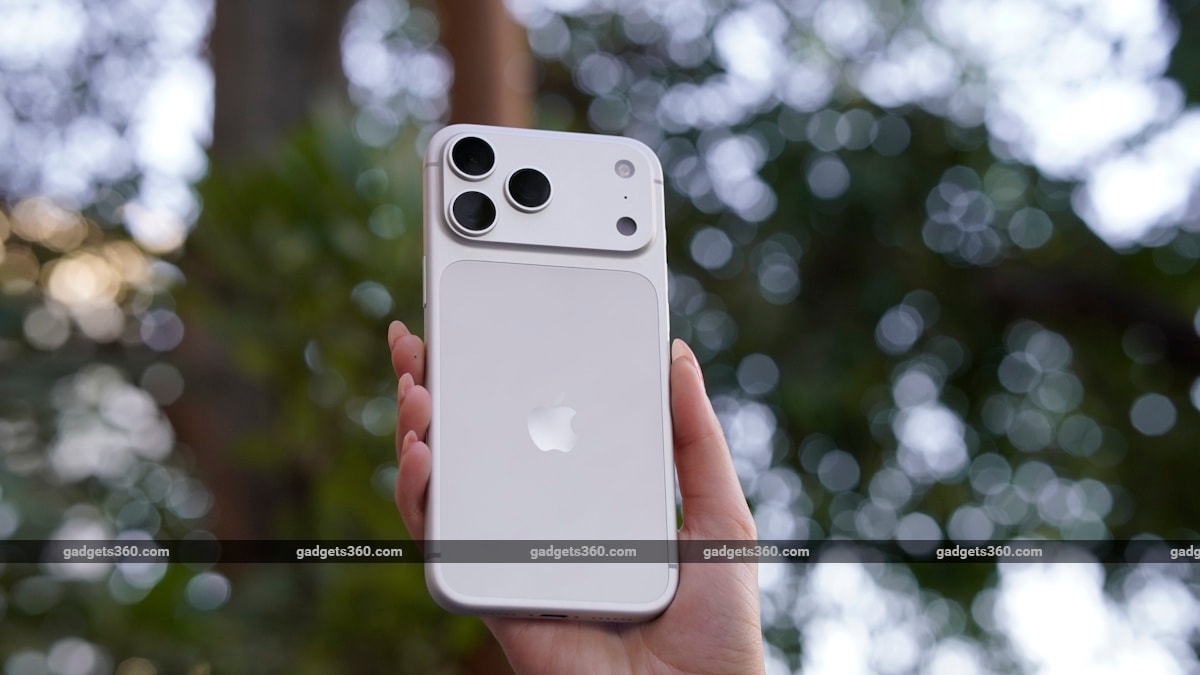
A market research firm estimates that the iPhone 18 Pro Max could cost about $300 more to manufacture than its predecessor, potentially pushing Apple’s flagship price higher ahead of the September launch.
Apple’s upcoming iPhone 18 lineup—expected to include the iPhone 18 Pro, iPhone 18 Pro Max and possibly an iPhone Ultra—has sparked intense speculation. New data suggests the iPhone 18 Pro Max’s bill of materials could be roughly $300 higher than that of the iPhone 17 Pro Max, a jump that may translate into a steeper retail price.
Key Drivers Behind the Cost Surge
The analysis points to several contributors. First, the device is rumored to house Apple’s largest ever smartphone battery, demanding a higher‑capacity cell and associated safety circuitry. Second, the aluminium frame is reportedly thicker, adding both weight and material expense. Additionally, Apple plans to roll out its globally‑standardized C2 5G modem, while retaining a Qualcomm chipset for the US market—both of which raise component bills.
Historical Context and Pricing Implications
Over the past half‑decade, Apple has typically seen a 5‑7% rise in component costs per generation, while retail prices have climbed 10‑12%. A $300 cost increase, if fully passed to consumers, could make the iPhone 18 Pro Max the most expensive model in Apple’s current premium range. Analysts predict Apple will offset this by leaning more heavily on its services ecosystem—iOS upgrades, subscription bundles, and emerging AR/VR offerings—to preserve profit margins.
Competitive Landscape and Strategic Choices
Concurrently, leaks about Samsung’s Galaxy S27 Ultra indicate a battery capacity that could surpass the iPhone 18 Pro Max. Faced with such competition, Apple must differentiate beyond raw hardware specs. Expect enhancements such as a next‑generation camera module, AI‑driven photography, and advanced security features to justify a higher price point.
What to Expect at the September Event
The September 2026 Apple event is slated to unveil the iPhone 18 series. Should the announced prices reflect the higher component costs, the market could split: premium buyers willing to pay a premium for cutting‑edge features, and price‑sensitive consumers who might gravitate toward lower‑tier iPhone models or rival Android flagships. In that scenario, Apple’s ability to retain loyalty will hinge on the perceived value of its integrated ecosystem.