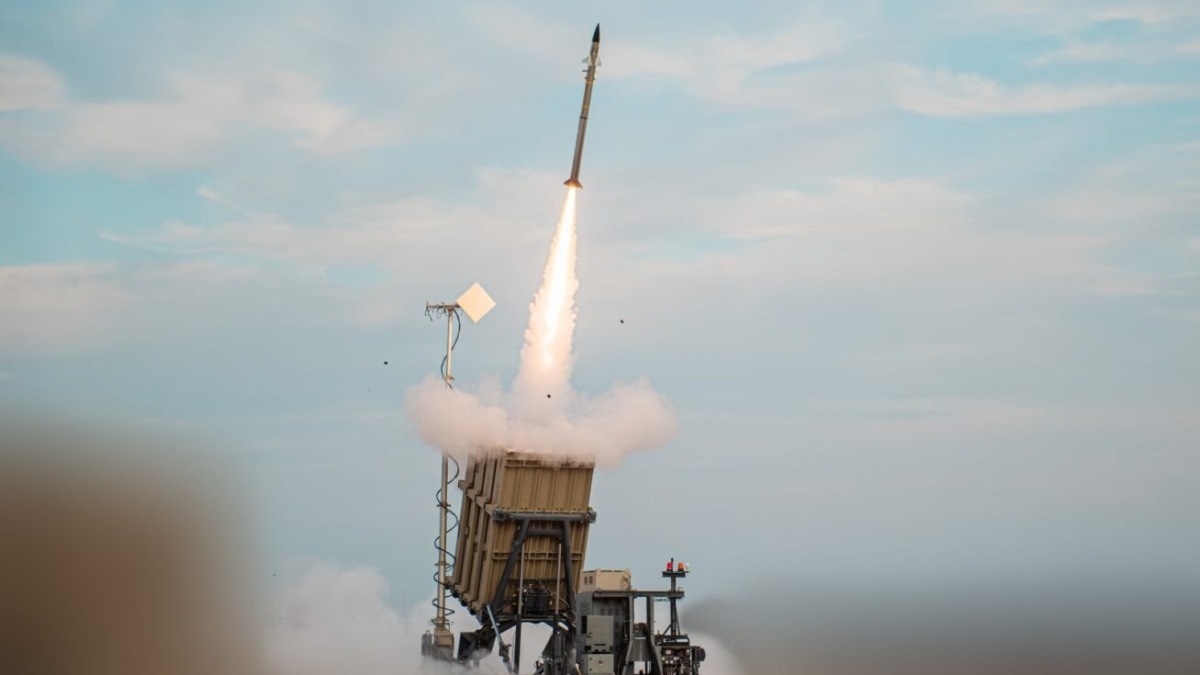
Israel's Iron Dome system is set to be manufactured in India under the Make in India drive, marking a deepening of bilateral defence ties. The indigenous interceptor promises to boost India's air‑defence capability while strengthening its defence industrial base.
Israel’s world‑renowned anti‑aircraft system Iron Dome is now slated for production in India, ushering in a new phase of defence collaboration between the two nations. The Indian government has placed the project at the forefront of its ‘Make in India’ initiative, aiming to enhance self‑reliance and fortify the domestic industrial ecosystem.
Background and Strategic Significance
Since its operational debut in 2011, Iron Dome has intercepted over 90% of incoming rockets and artillery shells targeting Israeli territory, earning a reputation as a game‑changing short‑range missile defence solution. Its transfer to India follows a series of defence agreements, joint exercises, and technology‑sharing arrangements that have grown over the past decade, including drones, cyber‑security tools and electronic warfare systems.
Make in India Production Model
A joint venture (JV) between Israel’s Rafael Advanced Defense Systems and India’s state‑run aerospace giant Hindustan Aeronautics Limited (HAL) will oversee the localisation effort. The JV’s headquarters will be situated near New Delhi, where a state‑of‑the‑art assembly line will produce radars, command‑and‑control software and kinetic missile interceptors. The plant is designed to meet both Indian Army and Air Force specifications, ensuring seamless integration with existing air‑defence networks.
Economic and Technological Impact
With an estimated investment of roughly ₹2,500 crore, the project is projected to create over 1,500 direct jobs and stimulate a cascade of opportunities for small and medium‑sized enterprises in the supply chain. Technically, Indian engineers will receive training in radar‑integration, high‑speed data processing and AI‑driven target discrimination, laying the groundwork for future indigenous missile‑defence programmes.
Future Implications
The indigenous interceptor will significantly bolster India’s ability to neutralise short‑range threats, a critical capability amid evolving security dynamics in South Asia. Moreover, the collaboration deepens the strategic partnership between New Delhi and Jerusalem, opening avenues for further joint research, technology transfer and co‑development of next‑generation defence solutions.



