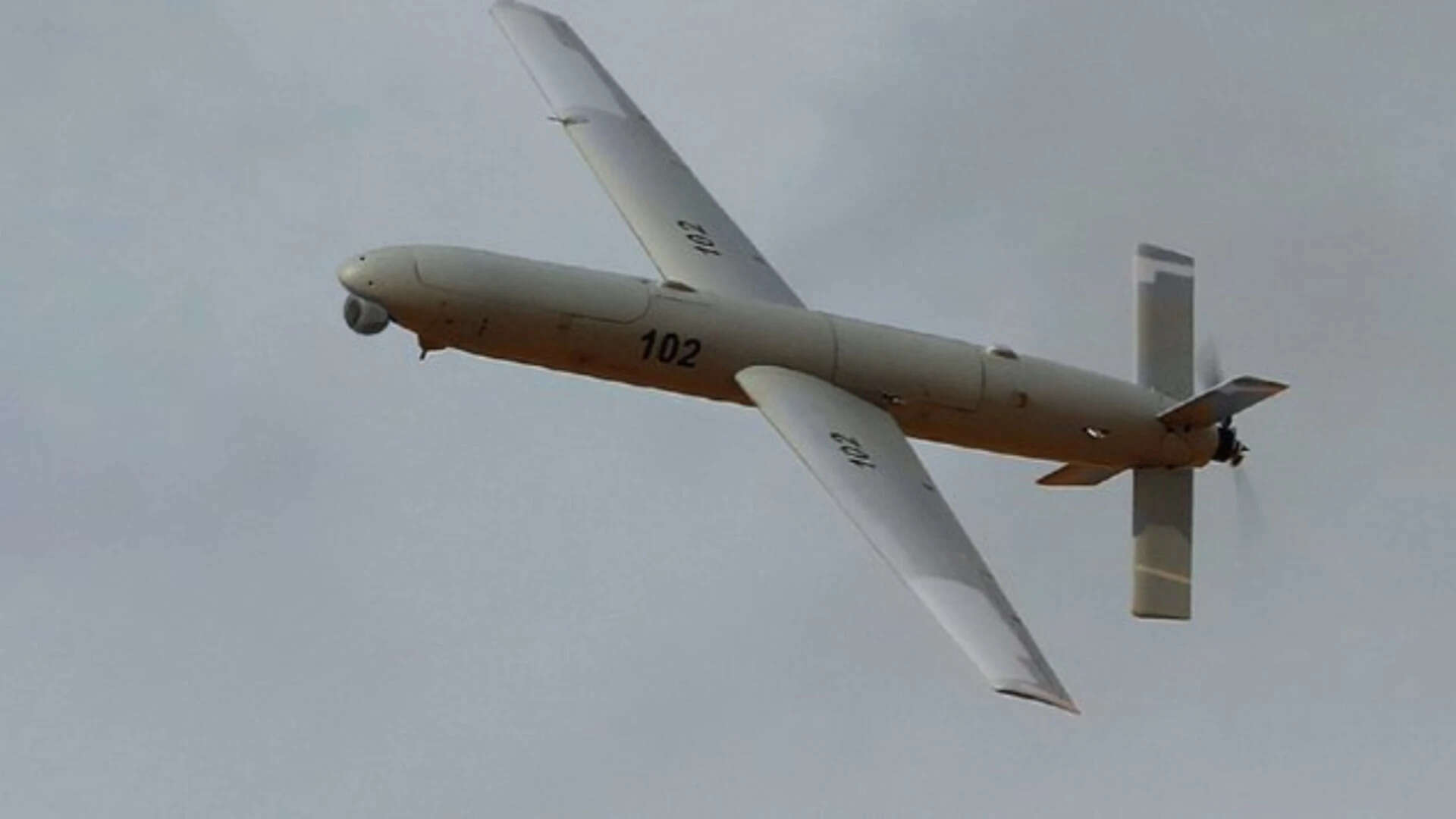
Loitering munitions are rapidly boosting the Indian Army's capabilities by merging surveillance and strike functions into a single platform. Their integration promises a strategic edge for India on future battlefields.
Key Takeaways
- Loitering munitions enable faster target detection and engagement
- Dedicated drone warfare units are being formed within the Indian Army
- Domestic production combined with foreign collaboration strengthens India's future combat dominance
Loitering munitions, often dubbed “kamikaze drones,” are emerging as a game‑changing element in India’s defence posture. By coupling real‑time reconnaissance with kinetic strike capability, they compress the sensor‑to‑shooter timeline dramatically, allowing forces to act on fleeting opportunities that conventional artillery or missile systems might miss. This dual‑role technology not only accelerates battlefield tempo but also grants commanders richer situational awareness for decisive decision‑making.
Historical Context and Evolution
For much of the post‑Cold War era, India relied heavily on imported weapon platforms, especially for air‑ and missile‑based systems. The 2010s, however, witnessed a decisive shift toward indigenous defence R&D, driven by strategic necessity and economic pragmatism. Early experiments with loitering munitions—such as the L‑70 and various UAV‑guided precision projects—laid the groundwork, but today the focus has moved from prototype to full‑scale deployment, mirroring a global trend where autonomous weapons are reshaping combat doctrines.
Integration into the Indian Army
The Indian Ground Forces are now piloting several programs that embed loitering munitions alongside traditional artillery and missile batteries. These drones can loiter for hours over contested terrain, relay high‑resolution imagery, and autonomously strike once a high‑value target is confirmed. By consolidating ISR (Intelligence, Surveillance, Reconnaissance) and kinetic strike in a single asset, the army reduces the logistical footprint and response latency, especially in “beyond‑line‑of‑sight” scenarios where conventional fire support would be delayed.
Formation of Dedicated Drone Warfare Units
Recognising the unique operational demands of autonomous weapons, the Indian Army is establishing specialised “Drone Warfare” units. These formations will house trained operators, data‑analytics specialists, and maintenance crews, all focused on maximizing the tactical impact of loitering munitions. Such units signal a doctrinal shift: future conflicts are expected to be fought across multiple domains—land, air, cyber, and electromagnetic—where autonomous systems act as force multipliers.
Future Outlook and Strategic Significance
Domestic production, complemented by strategic partnerships with Israel, France, and other leading drone manufacturers, positions India to achieve a self‑sustaining loitering‑munitions ecosystem. Advanced features—AI‑driven target recognition, low‑observable design, and swarm‑capable algorithms—promise to keep Indian forces ahead of regional adversaries. As loitering munitions become integral to modern warfare, India’s ability to field them at scale could redefine power balances in South Asia and elevate its stature in the global defence market.