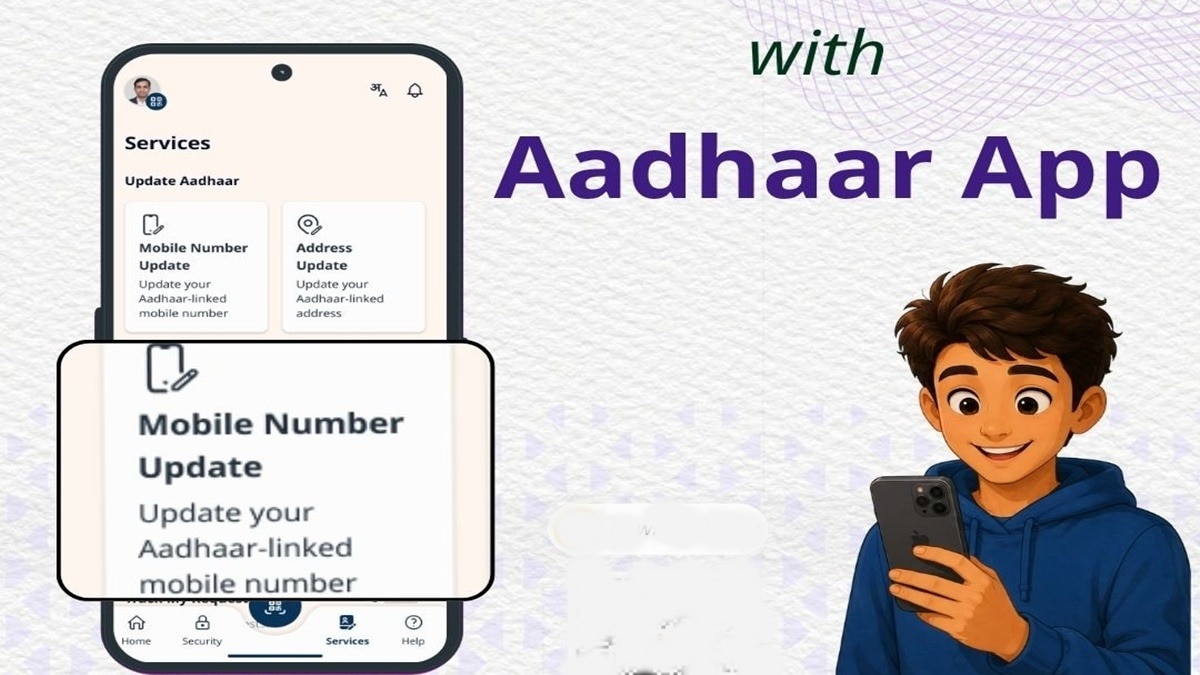
UIDAI’s new Aadhaar app lets citizens change their address and mobile number online, eliminating the need to stand in long queues at enrollment centers. A modest fee of ₹75 and a few simple steps are all that’s required.
The Unique Identification Authority of India (UIDAI) has rolled out the New Aadhaar App for both Android and iOS devices, turning a traditionally paperwork‑heavy task into a fully digital experience. With this app, users can update their address and mobile number directly from their smartphones, bypassing the time‑consuming visits to Aadhaar enrollment centers.
From Manual Queues to Seamless Digital Updates
Earlier, updating an Aadhaar address or mobile required a physical visit to the nearest enrollment center, filling out forms, presenting supporting documents, and often waiting for hours. This was especially burdensome for residents of remote villages and densely populated urban areas. The new app compresses the entire workflow into a 5‑10 minute online transaction, marking a decisive step toward a truly digital India.
Key Features Inside the App
The New Aadhaar App offers two primary services: “Address Update” and “Mobile Number Update.” After entering the Aadhaar number and verifying via OTP, users upload a scanned copy of a valid proof of address (electricity bill, bank statement, etc.). Identity verification is performed through facial authentication, with an optional OTP from a family member for added security.
Step‑by‑Step Guide to Updating Your Details
1. Install the app – Download “UIDAI New Aadhaar” from Google Play Store or Apple App Store.
2. Log in – Authenticate with Aadhaar number and OTP.
3. Select service – Tap “Address Update” or “Mobile Number Update.”
4. Upload documents – Attach a clear image of the required proof.
5. Facial authentication – Use the phone’s camera for face verification.
6. Pay the fee – Complete the process with an online payment of ₹75 and submit the request.
Security Measures and Data Protection
UIDAI assures that all uploaded documents are stored on encrypted servers, accessible only to authorized personnel. The dual‑layer verification—OTP plus facial recognition—significantly reduces the risk of fraudulent updates, safeguarding citizens’ biometric data.
Implications for the Future
This digital rollout is expected to shift the majority of Aadhaar update requests to the mobile platform within the next two years, easing the workload on enrollment centers and improving overall service efficiency. Moreover, the success of this model could pave the way for similar digital‑first approaches across other government services, reinforcing transparency and citizen‑centric governance.


