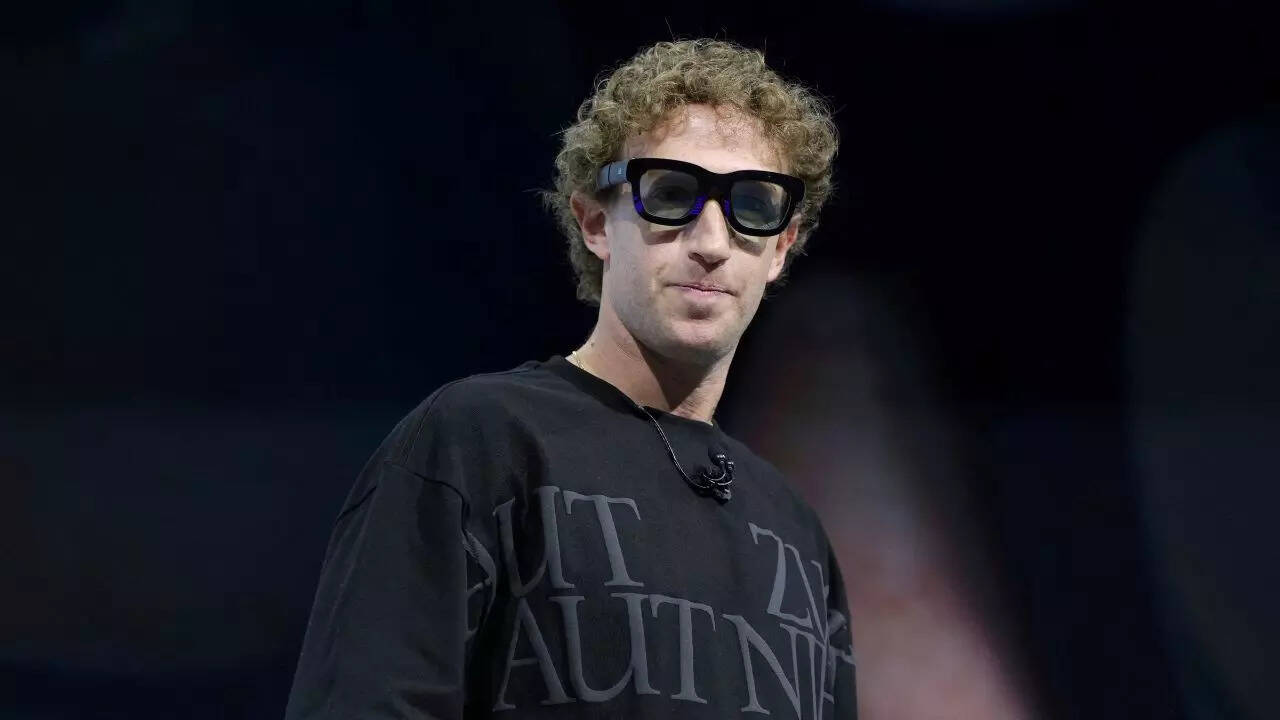
Meta CEO Mark Zuckerberg announced the new Muse Spark 1.1 AI model on X (formerly Twitter). Hours later, X’s Head of Product Nikita Bier offered to enable Creator Monetization on his account, sparking conversation about cross‑platform collaboration.
Key Takeaways
- Mark Zuckerberg unveiled Meta’s Muse Spark 1.1 AI model on X.
- X product head Nikita Bier proposed Creator Monetization for Zuckerberg’s account.
- Muse Spark 1.1 is built for coding, tool use, and long‑running AI tasks, now accessible via Meta’s Model API.
Meta introduced its latest artificial‑intelligence model, Muse Spark 1.1, on the X platform (formerly Twitter) where Mark Zuckerberg made his first appearance in three years. The model is positioned as a high‑performance coding and agentic system, supporting a one‑million‑token context window and parallel AI agents.
Key Moment and Business Proposal
In his X post, Zuckerberg wrote, “Today we’re releasing Muse Spark 1.1 — a strong agentic and coding model at a very low price.” Within hours, X’s Head of Product Nikita Bier replied publicly: “Hello Mark, would you like me to enable Creator Monetization on your account.” Zuckerberg did not respond publicly, but the exchange instantly drew attention to possible synergies between the two tech giants.
Technical Depth and Commercial Implications
Muse Spark 1.1 is described as a framework for “personal superintelligence.” It can write and debug software code, navigate desktop, mobile, and browser interfaces, and simultaneously analyze text, images, and video. The model can delegate tasks to multiple parallel AI agents, executing multi‑step logic workflows with minimal human supervision.
Developer Ecosystem and Pricing Model
Meta announced that developers in the United States can now integrate the model via the Meta Model API. Early adopters receive $20 in free trial credits, after which a pay‑as‑you‑go pricing scheme applies. This approach aims to accelerate adoption of Meta‑powered AI services across a broad developer base.
Future Outlook
Zuckerberg’s return to X, a platform Elon Musk bought for $44 billion in 2022, signals a shifting power dynamic in social media. If the Creator Monetization offer is accepted, Meta could unlock new revenue streams for its content creators, while X would gain a premium feature to boost user engagement. The dialogue hints at a possible convergence of AI‑driven content creation and monetization models across both platforms.