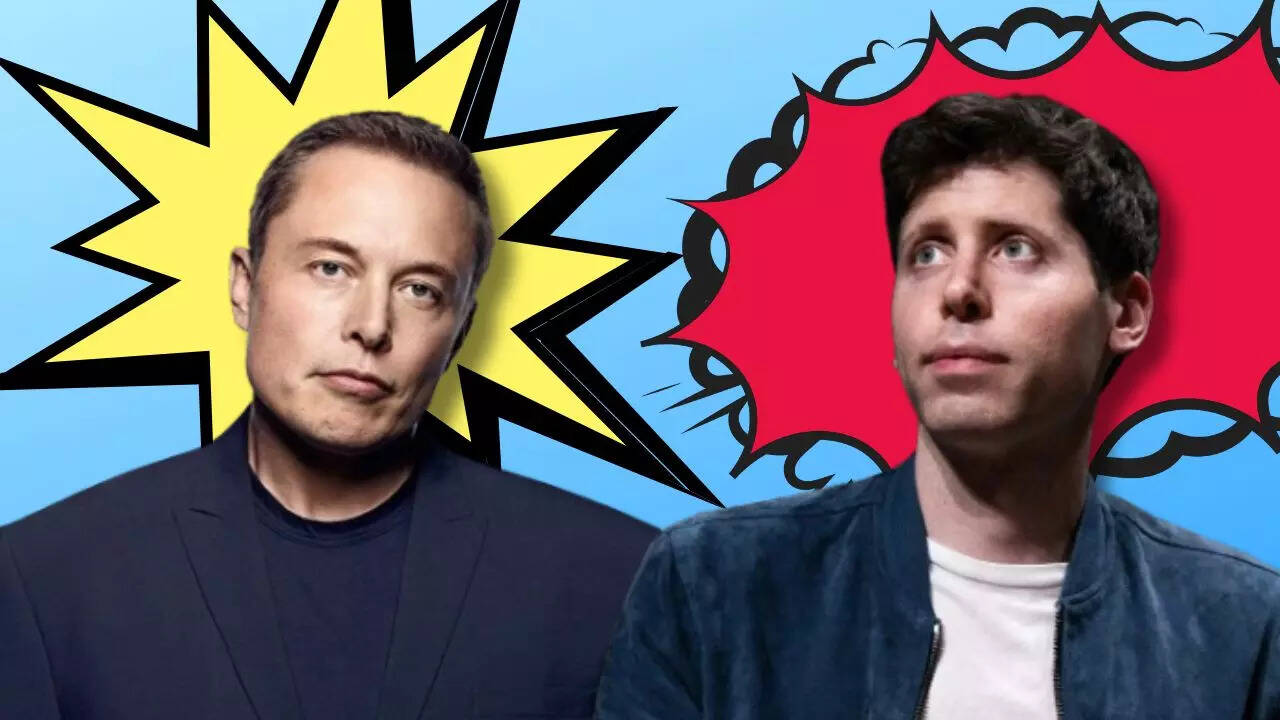
Elon Musk publicly called OpenAI CEO Sam Altman a scammer on social media, coinciding with Apple's lawsuit accusing OpenAI of corporate espionage and trade‑secret theft. OpenAI denied the allegations, emphasizing its focus on innovation, while the legal clash underscores growing tensions among leading tech giants.
Key Takeaways
- Elon Musk labels Sam Altman a scammer
- Apple sues OpenAI for alleged trade‑secret theft
- OpenAI denies the claims and stresses its innovation agenda
Elon Musk took to X (formerly Twitter) to brand Sam Altman, chief executive of OpenAI, a "scammer," a move that lands squarely in the middle of Apple’s freshly filed lawsuit accusing OpenAI of corporate espionage and stealing proprietary trade secrets. The exchange adds another layer of friction to an already volatile tech landscape.
Background: Musk’s fraught history with OpenAI
Musk was a founding donor of OpenAI in 2015, positioning the nonprofit as a safeguard against uncontrolled artificial intelligence. He withdrew from the board in 2018, citing concerns over the company’s direction and potential conflicts of interest. Since then, Musk has repeatedly warned that Altman’s leadership could mask deceptive practices, framing the debate as a battle for ethical AI development.
Apple’s lawsuit: Allegations and stakes
Apple’s complaint alleges that OpenAI illicitly accessed internal research data, algorithmic blueprints, and other confidential materials that underpin Apple’s upcoming AI‑driven products—ranging from advanced image‑recognition features to next‑generation voice assistants. The tech giant contends that such misappropriation could give OpenAI an unfair competitive edge, violating both the Computer Fraud and Abuse Act and trade‑secret statutes.
OpenAI’s response: Innovation over intrigue
OpenAI promptly dismissed the accusations as “completely unfounded,” reiterating its mission to develop safe and beneficial AI for humanity. In a press release, the organization emphasized that all its research is conducted under rigorous oversight and that no proprietary Apple data has ever been used in its models. The firm also highlighted its commitment to transparency, a stance that seeks to distance it from the espionage narrative.
Implications for the AI industry and beyond
The dispute is more than a binary legal clash; it signals a broader reckoning over data ownership, competitive fairness, and regulatory scrutiny in the AI sector. A victory for Apple could usher in stricter standards for data protection and force major AI labs to adopt more robust compliance frameworks. Conversely, a defeat for Apple might embolden startups to push the boundaries of data‑driven innovation, albeit at the risk of heightened public distrust.