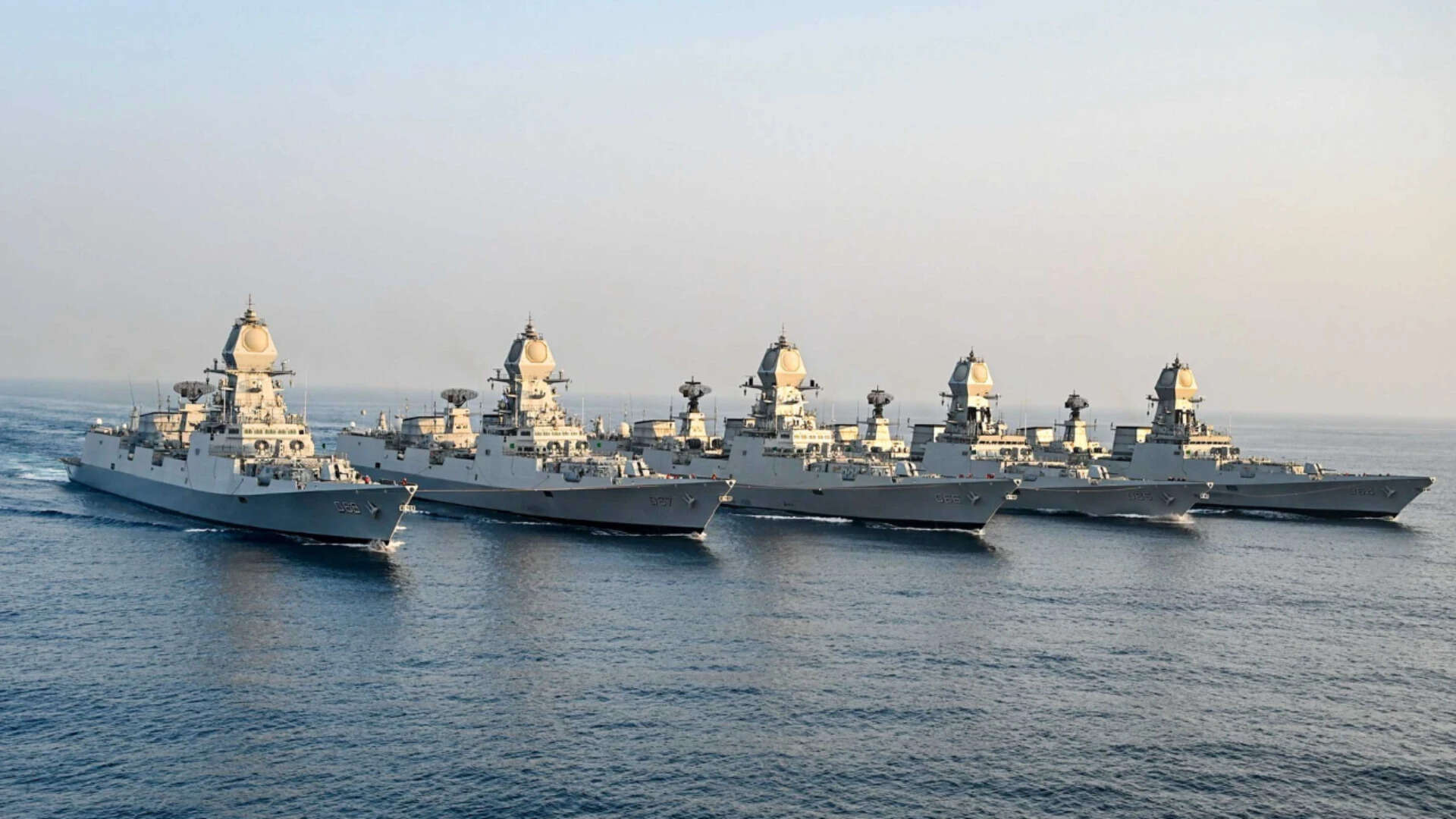
The commissioning of INS Mahendragiri marks a pivotal milestone on India’s road to a 200‑ship navy. The frigate showcases indigenous design and construction, strengthening maritime security and regional stability.
मुख्य बिंदु (Key Takeaways)
- INS Mahendragiri, the sixth Project‑17A frigate, has entered active service.
- The Indian Navy targets a self‑reliant 200‑ship fleet by 2035.
- Over 90% of hull (float) and roughly 60% of propulsion (move) systems are now indigenised.
Introduction: The Indian Navy has set an ambitious vision – a 200‑ship fleet capable of blue‑water operations by 2035, ensuring strategic autonomy across the Indian Ocean and beyond. Today, that vision takes a concrete step forward with the commissioning of INS Mahendragiri, built by Mazagon Dock Shipbuilders Limited and the sixth vessel of the Project‑17A class.
Why Mahendragiri Matters
Beyond adding a hull to the order of battle, Mahendragiri epitomises India’s growing mastery of indigenous warship design. All Project‑17A frigates are conceived by the Navy’s Warship Design Bureau, and the 100th domestically designed warship – INS Udaygiri – entered service in August 2025. This lineage signals a shift from buyer to builder, with each new frigate enhancing anti‑submarine warfare, sensor suites, and multi‑domain combat capabilities.
Self‑Reliance Blueprint – Indian Naval Indigenisation Plan (INIP)
Launched in 2015, the INIP organises indigenisation under three pillars: Float (hull and structural systems), Move (propulsion), and Fight (combat management, weapons, sensors). Today, more than 90% of float systems and about 60% of move systems are sourced domestically, while roughly half of the fight‑system projects are underway. The ecosystem involves DRDO, public‑private shipyards, SAIL, IITs, private industry and academia, creating a sustainable naval production base.
Strategic Implications
With roughly 90% of India’s trade and 80% of critical freight moving through maritime routes, safeguarding these sea‑lines is a national imperative. The Navy’s anti‑piracy patrols since 2008 have protected thousands of merchant vessels, and its expanding blue‑water capability will amplify this role. Moreover, as a first responder for humanitarian assistance and disaster relief, a larger, domestically supported fleet enhances India’s credibility as a regional stabiliser.
Looking Ahead
The upcoming induction of Vindhyagiri from Garden Reach Shipbuilders will complete the Project‑17A series. Simultaneously, the Navy is investing in unmanned systems, artificial intelligence, and advanced sensors to operate as a true multi‑domain force. By 2035, a 200‑ship fleet—equipped with indigenous hulls, propulsion, and combat suites—will not only be larger but technologically superior and strategically autonomous.