Apple accuses OpenAI of stealing hardware trade secrets, prompting Elon Musk to label Sam Altman "Scam Altman." The high‑profile spat could reshape the future of AI‑driven devices and hardware competition.
Key Takeaways
- Apple alleges OpenAI stole confidential iPhone and Apple Watch hardware designs.
- Elon Musk brands Sam Altman "Scam Altman" while Altman fires back at Musk's SpaceX ambitions.
- The lawsuit may determine who leads the next generation of AI‑powered hardware.
On July 10, Apple filed a trade‑secret lawsuit against OpenAI in the U.S. District Court for the Northern District of California, claiming the AI firm pilfered proprietary hardware information at every level—from junior staff to its chief hardware officer.
Allegations in Detail
The complaint specifically names OpenAI’s chief hardware officer Tang Tan, a 24‑year Apple veteran who helped design the iPhone and Apple Watch, and former iPhone engineer Chang Liu, who joined OpenAI in January 2026. Apple alleges Tan instructed still‑employed candidates to bring actual hardware parts to interviews for “show‑and‑tell” sessions, while Liu retained an Apple‑issued laptop, exploited an authentication bug, and downloaded dozens of confidential files on unreleased products.
Apple’s Prior Warning
According to the filing, Apple sent OpenAI a warning letter in February 2026 after the latter approached an Apple manufacturing partner to demonstrate a metal‑finishing technique that Apple had patented. OpenAI never replied, according to the lawsuit.
Elon Musk’s Reaction
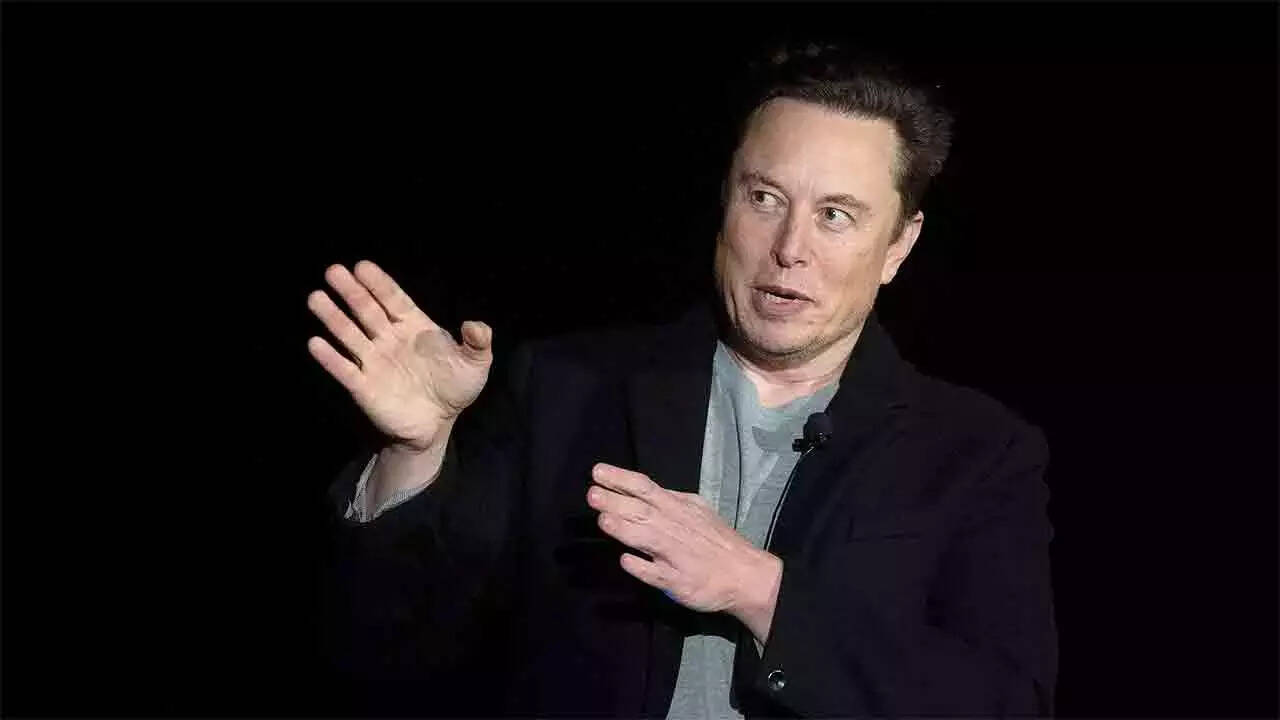
Within hours of the filing, Musk took to X (formerly Twitter) to dub Altman “Scam Altman,” asserting that the OpenAI chief “takes scamming to a whole new level.” The tweet sparked a cascade of memes and replies, turning a corporate lawsuit into a public showdown.
Altman Fires Back
Altman responded by targeting Musk’s SpaceX ambitions, writing, “homeboy you’re the one selling public‑market investors on short‑term space datacenters.” The post amassed over 10 million views, intensifying the back‑and‑forth between two of the tech world’s most influential figures.
Broader Implications
Beyond the personal barbs, the case highlights a looming hardware war. OpenAI spent $6.5 billion in 2025 to acquire iO Products, the design studio founded by former Apple chief designer Jony Ive. More than 400 ex‑Apple engineers now work at OpenAI, according to the complaint. Apple is reportedly developing smart glasses, pendant‑style wearables, and camera‑equipped AirPods, while OpenAI is rumored to be building a phone where AI agents replace traditional apps entirely.
If Apple’s claims hold, the verdict could reshape the competitive landscape for AI‑enabled devices, influencing everything from next‑gen smartphones to wearables and cloud‑based AI infrastructure.