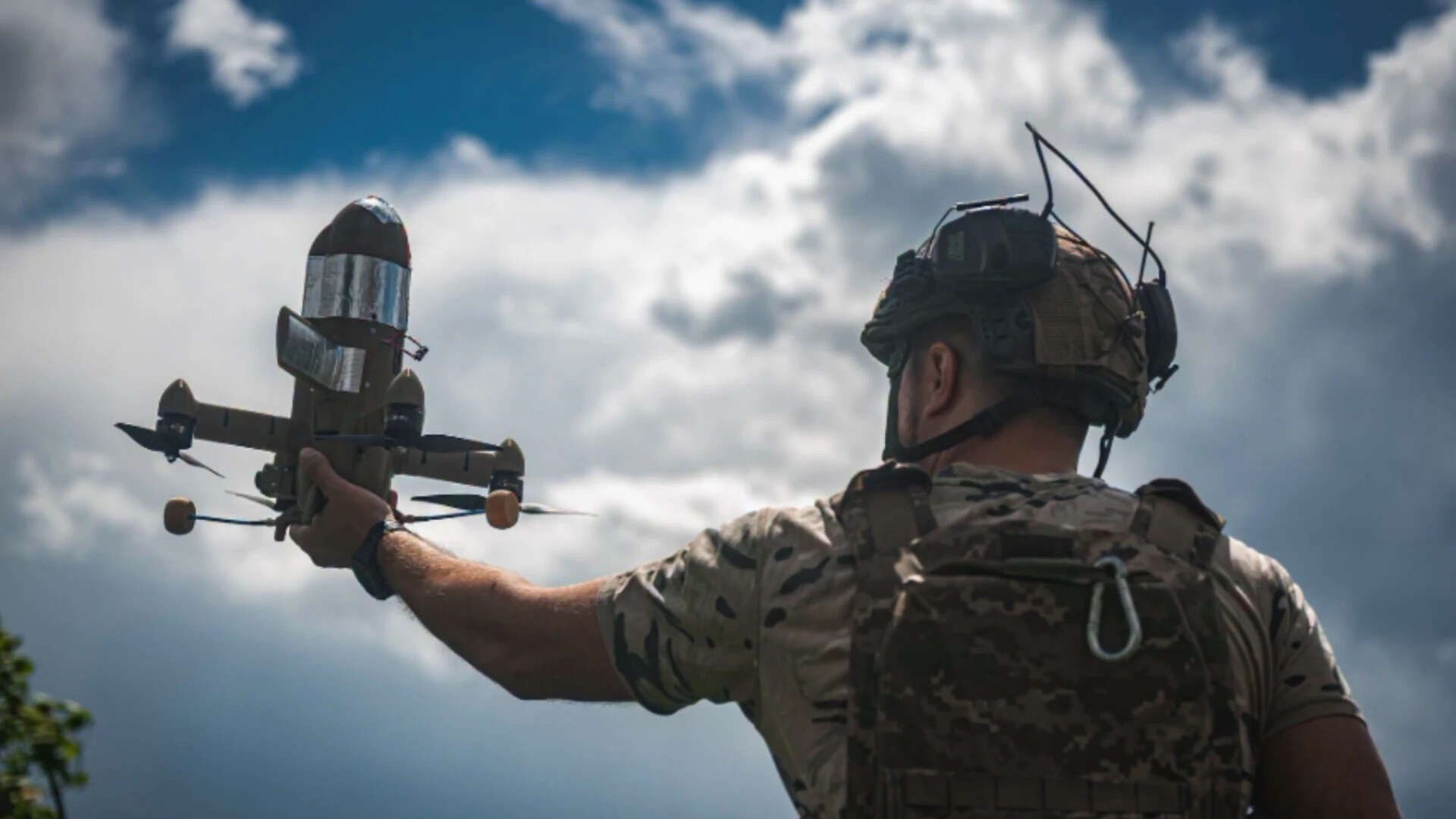
The proliferation of inexpensive combat drones is forcing militaries to rethink traditional missile‑centric air defence. Ukraine’s home‑grown interceptor drones demonstrate a cost‑effective counter, and India is racing to field similar systems. These platforms promise reusable, affordable protection against the growing drone threat.
Key Takeaways (मुख्य बिंदु)
- Interceptor drones can neutralise low‑cost hostile UAVs at a fraction of missile expense.
- They are recoverable and reusable, dramatically lowering total defence spend.
- Both Ukraine and India are integrating these systems into their air‑defence architecture.
Unmanned aerial vehicles have transformed modern battlefields, offering reconnaissance, strike and psychological impact at prices that often undercut conventional weaponry. A single Iranian Shahed‑136 loitering munition costs roughly $30,000, yet some adversaries have been willing to expend missiles worth over $1 million to shoot it down—an unsustainable cost‑ratio for any defence budget.
Ukraine’s Pragmatic Counter‑measure
Faced with relentless Russian drone swarms, Ukraine engineered a suite of interceptor drones that can either collide with the target using kinetic energy or detonate an onboard charge to destroy a single drone or an entire swarm. The most widely fielded models—Sting and Bullet—claim more than an 80 % hit probability against platforms such as the Geran, Lancet and Shahed families. Remarkably, operators can be trained in as little as six days, and after each sortie the drones land, refuel and are ready for another mission, slashing per‑engagement costs.
Why Jammers Aren’t Enough
Electronic jamming has been another line of defence, emitting powerful radio‑frequency bursts that disrupt a drone’s link to its operator or satellite. However, jammers indiscriminately affect friendly and hostile UAVs, creating collateral operational risks. Interceptor drones, by contrast, provide a targeted kinetic or explosive response, preserving the electromagnetic spectrum for allied assets.
India’s Emerging Interceptor Ecosystem
Indian defence firms are quickly catching up. Stravex offers the Agni Strike system, Veda Aeronautics markets the Veda Interceptor, and Indrajaal has unveiled the Zombee. All three aim to deliver a low‑cost, reusable solution that can be integrated with existing air‑defence networks, providing a home‑grown alternative to imported missile systems.
Strategic Implications
As UAV technology becomes cheaper and more autonomous, the economics of air defence will increasingly hinge on reusable platforms rather than one‑off expensive missiles. Interceptor drones promise a shift toward a more flexible, sustainable defence posture—one that can absorb high‑volume drone attacks without exhausting fiscal resources. The trend signals a broader move toward modular, cost‑effective counter‑UAS solutions that could redefine how nations protect their skies in the coming decade.