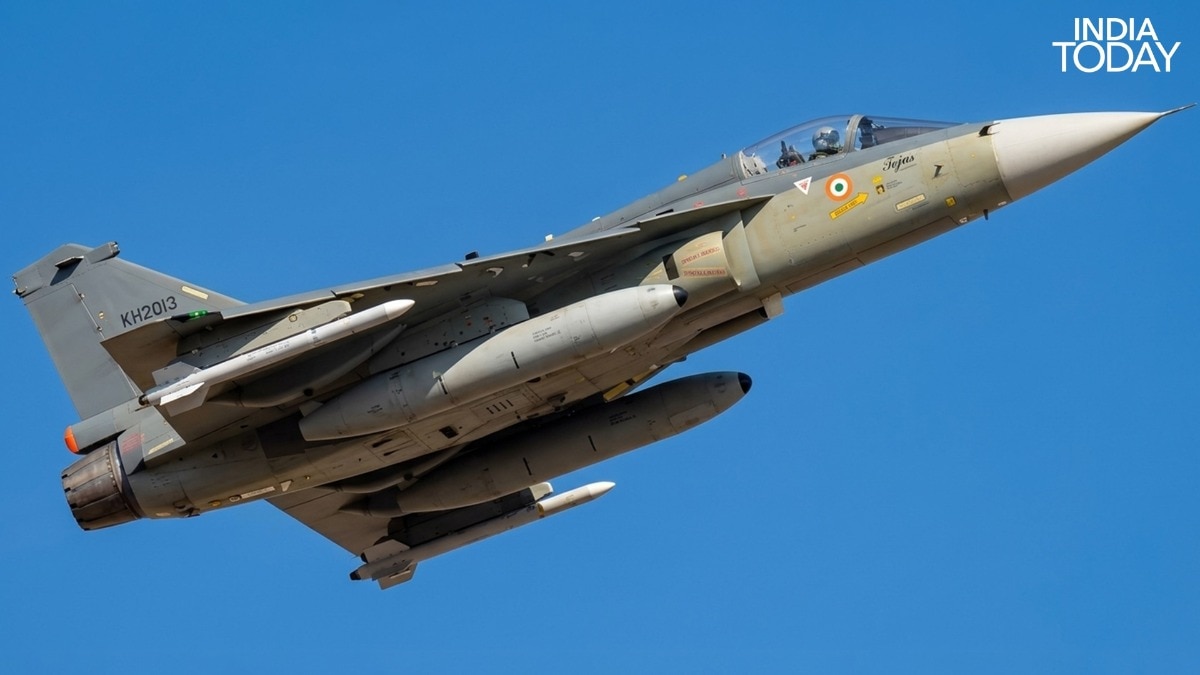
Hindustan Aeronautics Limited (HAL) has taken delivery of its seventh GE F404‑IN20 engine, while the sixth engine has been cleared for operational use after corrective work. The development promises to reduce delays in the Tejas Mk1A programme and speed up fighter deliveries.
मुख्य बिंदु (Key Takeaways)
- HAL receives seventh GE F404‑IN20 engine
- Sixth engine cleared after technical rectification
- Potential acceleration of Tejas Mk1A production and testing
Hindustan Aeronautics Limited (HAL) has taken delivery of the seventh GE F404‑IN20 powerplant for its Tejas Mk1A fighter jet, adding fresh momentum to a programme long plagued by engine‑supply delays. The sixth engine, which had shown a minor technical snag during post‑delivery inspections, has now been fully cleared for operational use following corrective measures by GE Aerospace and a rigorous verification by HAL.
Technical hiccup and swift remediation
After the sixth engine arrived in India earlier this year, routine quality checks identified a small fault. HAL promptly raised the issue with GE Aerospace, which executed the necessary repairs. Subsequent acceptance tests conducted by HAL confirmed that the engine meets all performance criteria, allowing it to be declared service‑ready. This episode underscores the robustness of the supplier‑customer feedback loop and the high standards both organisations uphold.
Impact of the seventh engine on the production line
The arrival of the seventh F404‑IN20 engine enables continuous assembly and flight‑testing of Tejas Mk1A aircraft. Under a 5,375‑crore‑rupee contract signed in 2021, GE Aerospace is slated to deliver 99 engines. With seven now in Indian hands, the delivery cadence is beginning to pick up, which is crucial as the Ministry of Defence (MoD) and the Indian Air Force (IAF) have been monitoring the programme closely after it fell more than two years behind schedule.
Government oversight and contractual penalties
The MoD has warned HAL that continued slippage could trigger financial penalties stipulated in the contract. A high‑level review involving Defence Minister Rajnath Singh, Air Chief Marshal A P Singh and HAL Chairman‑MD Ravi Kota is expected in the coming months to assess progress, address bottlenecks, and reaffirm timelines.
Strategic significance for IAF modernization
Tejas Mk1A is a cornerstone of the IAF’s effort to modernize its fighter fleet amid shrinking squadron strength. Faster engine availability directly translates into quicker aircraft roll‑out, with the first batch potentially reaching the IAF before year‑end, pending successful integration and certification. The development also reduces India’s reliance on foreign engine suppliers, reinforcing the nation’s broader defence‑self‑reliance goals.