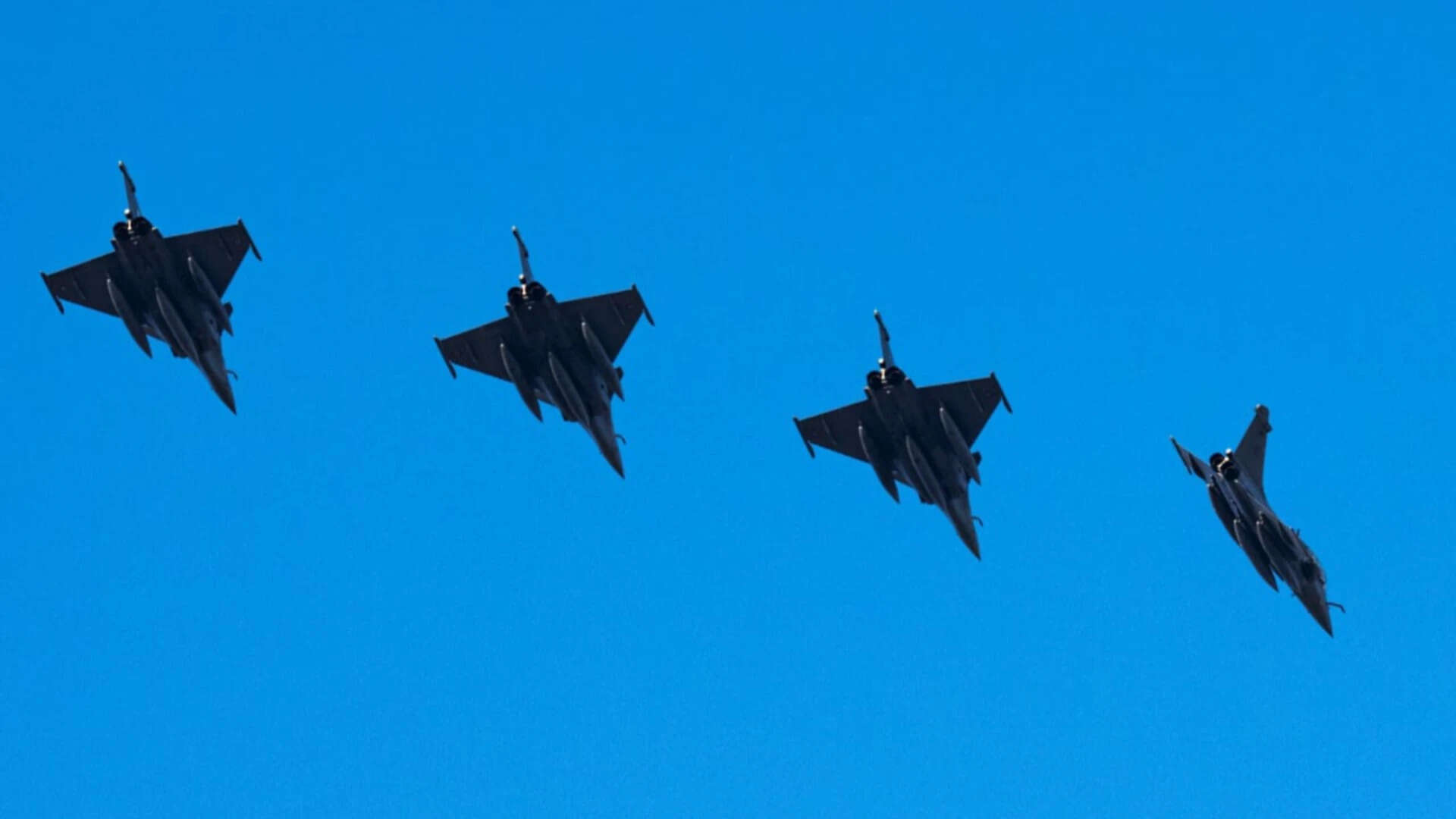
The Indian Air Force’s Rafale, a 4.5‑generation fighter, relies on active stealth and the SPECTRA EW suite to minimise radar detection. Its omni‑role design lets a single sortie perform strike, escort, EW and battle‑damage assessment, boosting operational flexibility.
Key Takeaways
- Active stealth reduces Rafale’s radar cross‑section.
- SPECTRA EW suite detects and jams hostile radars in real time.
- Omni‑role design lets a single sortie perform strike, escort, EW and BDA tasks.
India’s Air Force has taken delivery of 36 Dassault Rafale jets and plans to induct another 114. Until a true fifth‑generation stealth fighter joins the fleet, this 4.5‑generation platform remains the IAF’s most potent combat aircraft. Beyond its modest shaping for passive stealth, Rafale packs cutting‑edge avionics, sensor‑fusion and network‑centric capabilities that present pilots with a unified battlespace picture.
Advanced Technical Features
The aircraft can supercruise – sustain supersonic speed without afterburners – which trims its infrared signature. Its frontal radar cross‑section is deliberately reduced through careful airframe shaping, yet because it is not a full‑stealth airframe, Rafale leans heavily on electronic measures to stay invisible to enemy radar.
Active Stealth and the SPECTRA EW Suite
SPECTRA operates in two modes. In the passive phase, a distributed array of sensors picks up hostile radar emissions and builds an electronic order‑of‑battle. Laser‑warning receivers and a next‑generation infrared missile‑warning system continuously feed data into an evolving threat library. When the aircraft detects that it is being tracked, SPECTRA flips to active mode, deploying an active phased‑array jammer that scrambles X‑band frequencies – the band most missile guidance radars use. This is complemented by expendable counter‑measures such as flares and chaff.
Omni‑role Capability in Practice
Classified as an “omni‑role” fighter, Rafale can, in a single sortie, conduct a precision strike while carrying air‑to‑air missiles for self‑escort, laser‑designate its own targets, provide electronic‑warfare support via SPECTRA, and record battle‑damage data for post‑mission assessment. In practice, air forces often split the roles into dedicated packages – strike, escort, EW and BDA – each with its own supporting aircraft, but the underlying flexibility remains a force multiplier.
Strategic Implications
This blend of active stealth and electronic warfare gives India a decisive edge against increasingly sophisticated enemy air‑defence networks. It also serves as a technological bridge toward India’s future indigenous fifth‑generation fighter, where active‑stealth concepts are likely to be refined further, shaping the next generation of combat aircraft worldwide.