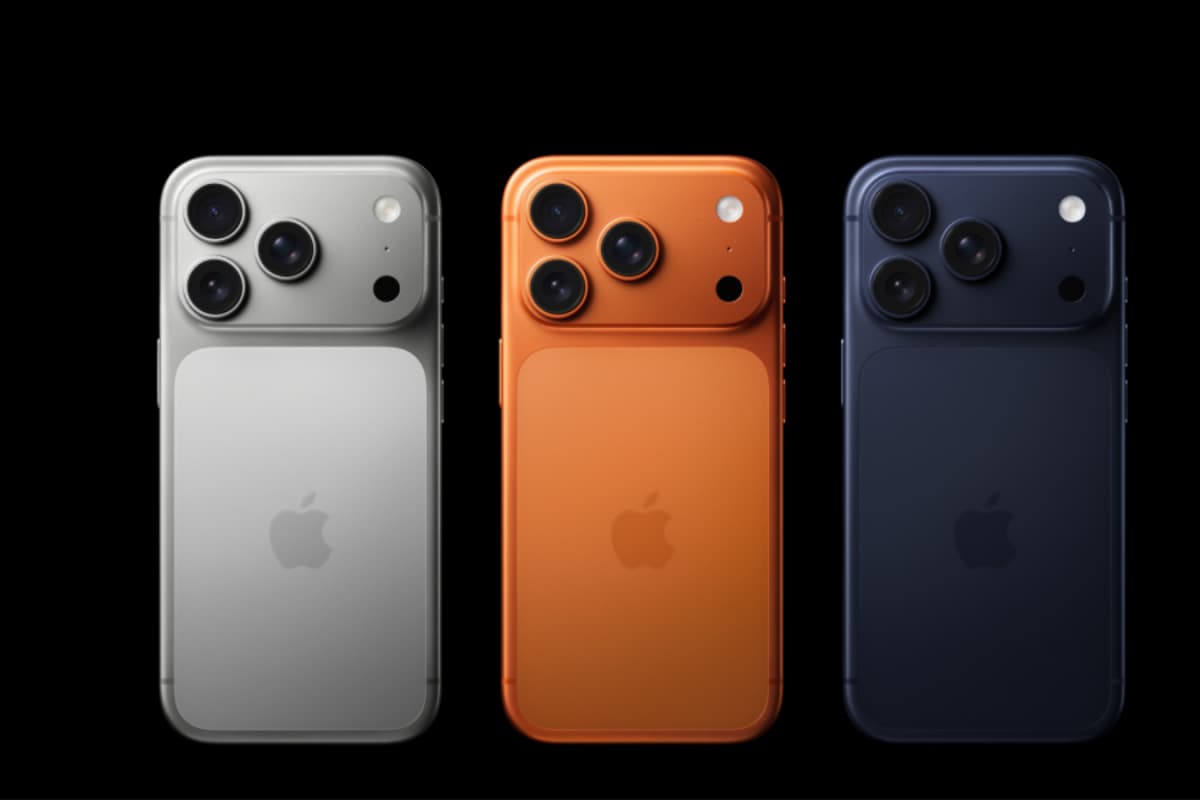
Regulatory filings reveal that the iPhone 18 Pro Max will sport a roughly 10% larger battery than the iPhone 18 Pro. This gap could reshape buying decisions between Apple’s two flagship models this year.
Key Takeaways
- iPhone 18 Pro Max gets a 5,567mAh battery; iPhone 18 Pro gets 4,288mAh.
- Battery capacity jumps ~10% for Pro Max, while Pro sees less than 1% growth.
- The gap hints at Apple’s strategy to give the larger phone a clear advantage.
Apple’s upcoming iPhone 18 Pro lineup will again feature two flagship variants – the iPhone 18 Pro and the iPhone 18 Pro Max – but this time the difference is centered on battery capacity. Files spotted in a Chinese regulatory database show the U.S. version of the Pro Max will house a 5,567mAh battery, whereas the standard Pro will be equipped with a 4,288mAh unit.
Historical Context
Historically, the Pro Max has always carried a larger battery, yet the yearly increase has been modest. Compared with the iPhone 17 Pro Max, the new Pro Max’s capacity is projected to rise by nearly 10%, while the iPhone 17 Pro to iPhone 18 Pro jump is under 1%. This marks a strategic shift: Apple is now widening the performance gap rather than offering two near‑identical models.
Technical Rationale
One practical explanation is the rumored slight increase in thickness for the iPhone 18 Pro Max. The extra internal volume would allow Apple to install a substantially larger cell. Coupled with a new, more power‑efficient chip architecture and software optimisations, the larger battery could translate into noticeably longer screen‑on time.
Consumer Implications
For users who prioritise endurance, the leak makes a compelling case for the iPhone 18 Pro Max. A near‑10% capacity boost, when other hardware remains largely the same, can mean several extra hours of real‑world usage. Nevertheless, raw capacity figures do not paint the full picture; actual battery life will also hinge on chip efficiency, display power draw, and iOS optimisation.
Looking Ahead
Once both models hit the market and undergo side‑by‑side testing, the practical impact of this battery gap will become clear. Apple’s move appears designed to give the larger model a distinct selling point, while still keeping the Pro tier competitive through chipset and software gains.