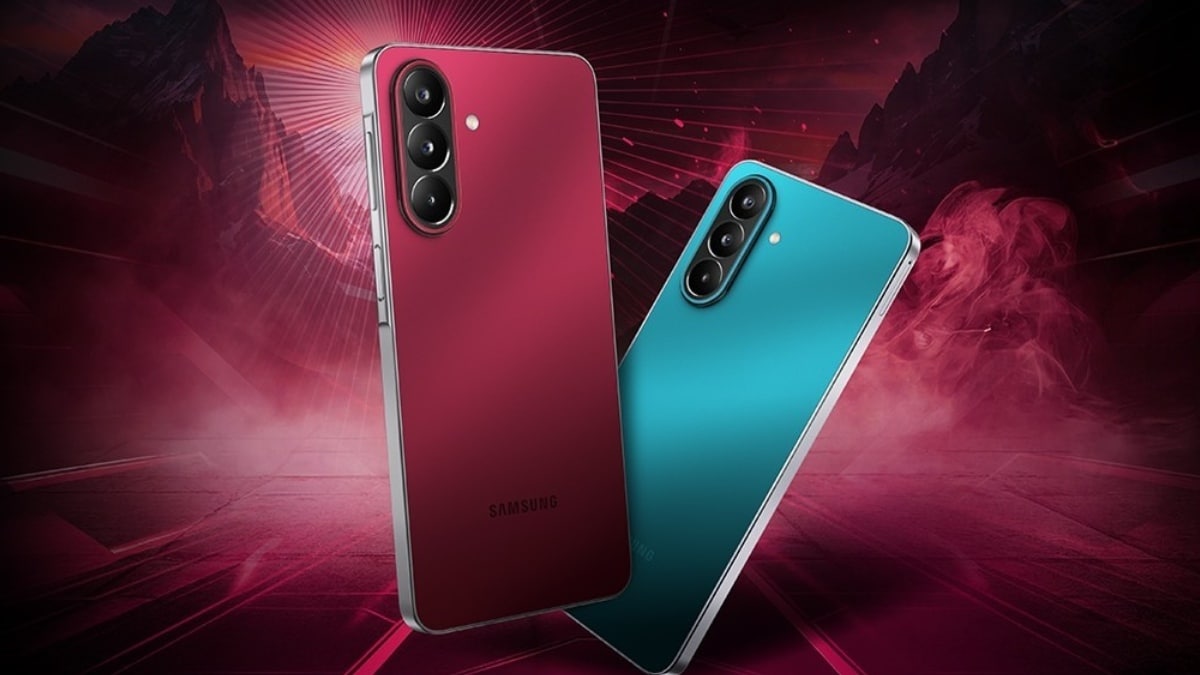
Samsung has raised the price of its newly launched Galaxy M47 5G in India, with the base 6GB + 128GB model now at ₹32,999 and higher‑end variants reaching ₹41,999. The hike, up to ₹8,000 over launch prices, underscores a broader trend of rising smartphone costs in the Indian market.
मुख्य बिंदु (Key Takeaways)
- Galaxy M47 5G price increased by up to ₹8,000
- 6GB+128GB now ₹32,999; 8GB+128GB ₹36,999; 8GB+256GB ₹41,999
- Price rise likely driven by component costs, taxes and market positioning
Samsung unveiled its latest mid‑range flagship, the Galaxy M47 5G, in India on June 29, 2026. Equipped with a 6,000 mAh battery, Snapdragon 6 Gen 3 SoC and 5G connectivity, the phone was positioned as a value‑rich offering. Initial pricing listed the 6GB + 128GB variant at ₹32,999, the 8GB + 128GB at ₹36,999, and the 8GB + 256GB at ₹41,999. Within just two days, Samsung announced a price revision that pushed each model up by roughly ₹8,000.
Market dynamics and pricing history
India’s smartphone segment has traditionally seen price cuts post‑launch, driven by aggressive competition and frequent festive sales. However, the last quarter has witnessed a reversal, with manufacturers adjusting prices upward to offset rising input costs. Samsung’s move is being interpreted as a “cost‑push” strategy, where higher expenses for chips, logistics and currency fluctuations are passed on to the consumer.
Why the sudden hike?
Analysts point to three primary factors: (1) global supply‑chain constraints on semiconductor and module components, (2) recent changes in Indian import duties and GST rates, and (3) Samsung’s desire to align its mid‑range portfolio with a premium brand perception. Additionally, the rapid rollout of 5G infrastructure and growing consumer appetite for high‑performance devices may justify a stronger price tag.
Impact on buyers and rivals
The price surge places the M47 5G in direct competition with similarly specced models from Realme, Xiaomi and Poco, which often undercut Samsung by a few thousand rupees. To retain price‑sensitive shoppers, Samsung will need to leverage its ecosystem advantages—such as Samsung Pay, Knox security and extended software support—to justify the premium.
What lies ahead?
If Samsung maintains the higher pricing, the Indian mid‑range market could shift from a pure price war to a feature‑driven contest. Competitors may respond with deeper discounts, financing schemes or bundled accessories, while Samsung may double‑down on service‑centric selling points. The outcome will likely reshape how Indian consumers evaluate value versus brand loyalty.