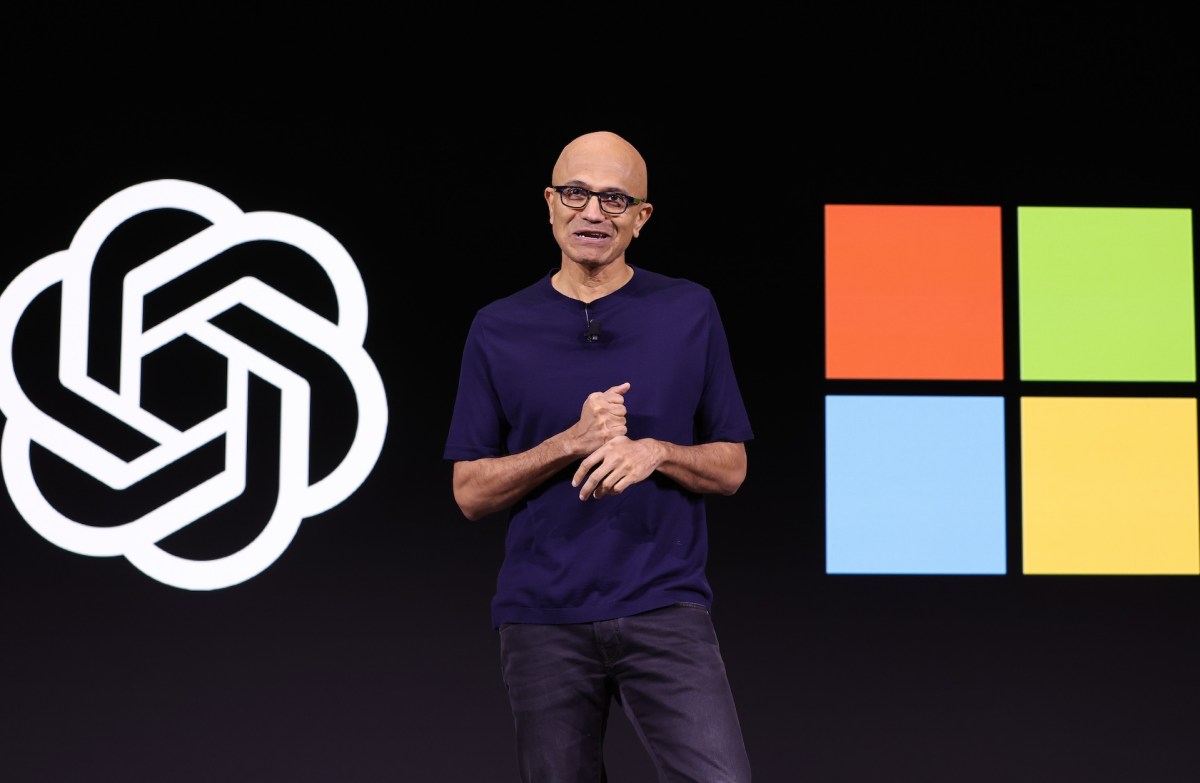
Microsoft CEO Satya Nadella warns that using proprietary AI models costs enterprises twice – once in cash and again in the valuable data they hand over, potentially turning them into competitors of their own customers.
Key Takeaways
- AI users pay twice – money and proprietary data.
- Proprietary model labs can turn customer data into competitive advantage.
- Retention of data ownership and multi‑model strategies are essential.
Among the many debates surrounding AI’s pitfalls, the most unsettling worry for Silicon Valley enthusiasts is that giant AI labs, such as OpenAI and Anthropic, behave like Trojan horses. By selling proprietary models, they gain unprecedented access to the most sensitive business information of startups and enterprises that rely on them.
Nadella’s Alarm
In a surprising blog post published on Sunday, Microsoft chief Satya Nadella joined the chorus of VCs and industry leaders warning about this hidden cost. He wrote, “You essentially pay for intelligence twice, once with money, and again with something even more valuable: the proprietary knowledge you must reveal to make that intelligence useful.” The more a company wants a model to perform, the more of its confidential knowledge it must feed into the system.
Data Double‑Dip and Competitive Threat
Nadella argues that models learn from “exhaust” – the prompts users write, the tools agents use, and especially the corrections made when the model errs. Each correction distills institutional know‑how, a type of knowledge a competitor could never purchase, yet it is being handed over to the model makers for free.
Distillation vs. Open Data
If AI firms can freely scrape the internet to train their models, it is only fair that enterprises be allowed to “distill” those models in return. Distillation involves using a model’s outputs to train a smaller, often cheaper model. This debate resurfaced when Anthropic accused Chinese open‑source models of sending millions of prompts to Claude to improve their own systems, urging the U.S. government to tighten export controls.
Solution: Data Ownership and Model Orchestration
Nadella’s remedy reflects a cloud‑provider’s perspective: companies should retain ownership of their data, including prompts and feedback, and build proprietary learning environments on the cloud – most likely Microsoft Azure, where their data already resides. He also advocates “orchestration layers” that enable seamless switching between AI providers, preventing lock‑in to a single model.
Shift Toward Open‑Source Models
Large enterprises are already moving toward on‑premise open‑source models. Idit Levine, founder of Solo.io, notes that after experimenting with proprietary providers, customers ask, “Can we run an open‑source model on‑prem? It does 90% of what the big one does at a fraction of the cost.” Platforms like Vercel and OpenRouter report surging traffic to open‑source models, with 29% of Vercel’s gateway traffic last month routed to them.
With Microsoft’s CEO urging caution, the trend toward self‑hosted, open‑source AI is likely to accelerate. As Nadella concludes, “In consuming intelligence, you are creating intelligence. And what you create should belong to you.”