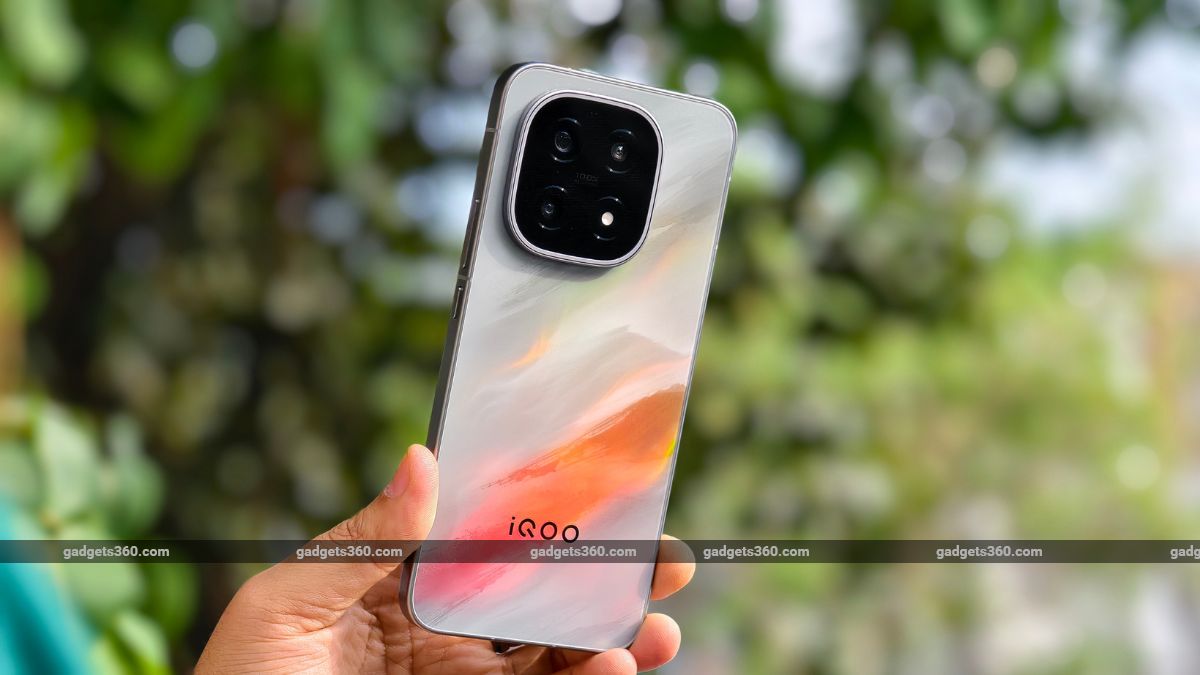
A fresh leak suggests iQOO is dramatically upping battery capacity across its upcoming flagship phones. The tipster claims a prototype powered by Qualcomm's Snapdragon 8 Elite Gen 6 Pro is testing an 8,500 mAh battery with 100 W fast charging and wireless support.
Key Takeaways
- iQOO 16, Neo 12 and Z12 Turbo prototypes testing 8,500 mAh batteries
- Powered by Snapdragon 8 Elite Gen 6 Pro with 100 W fast charging
- Potential inclusion of high‑refresh displays and dedicated graphics chip
Battery endurance has become a decisive factor in the premium smartphone market, and manufacturers are scrambling to deliver larger capacities without compromising size or weight. iQOO, the performance‑focused sub‑brand of BBK Electronics, appears poised to make a bold statement with its upcoming flagship lineup—iQOO 16, Neo 12 and Z12 Turbo. According to a well‑connected tipster, an engineering prototype equipped with a Snapdragon 8 Elite Gen 6 Pro System‑on‑Chip (SoC) is currently undergoing testing with an 8,500 mAh battery, 100 W wired fast‑charging, and wireless charging capabilities.
Snapdragon 8 Elite Gen 6 Pro and Dedicated Graphics
The chipset in question is Qualcomm’s latest 3 nm flagship, the Snapdragon 8 Elite Gen 6 Pro. It integrates a more powerful AI engine, a next‑generation GPU, and a refined power‑management unit—all of which are essential for delivering smooth high‑frame‑rate gaming and AI‑intensive workloads. Should iQOO ship this SoC in its flagships, the devices will directly challenge the premium tier of Samsung’s Galaxy S series and Apple’s iPhone Pro line, both of which have historically set the benchmark for performance and efficiency.
Massive Battery and Ultra‑Fast Charging
At 8,500 mAh, the battery size dwarfs the typical 4,000‑5,000 mAh cells found in current flagships, promising upwards of two days of mixed‑usage endurance. Coupled with a 100 W wired charging solution—already seen in a handful of Chinese premium devices—the phone could be fully recharged in roughly 30‑35 minutes. The inclusion of wireless charging, albeit at a slower rate, adds a layer of convenience that aligns with consumer expectations for flagship devices.
Market Implications and Potential Hurdles
While the technical specs are impressive, the reality of component pricing—especially for 3 nm silicon and large‑capacity batteries—could pressure iQOO’s cost structure. In price‑sensitive markets like India, a steep retail price may limit adoption, unless the company can achieve economies of scale or offer aggressive subsidies. Nevertheless, delivering such a battery package could reposition iQOO as a true performance‑first contender, differentiating it from rivals that often prioritize thinner designs over endurance.
Future Outlook
Analysts predict that if the prototype proves successful, iQOO will likely extend the same battery and charging technology across its broader portfolio, potentially influencing the entire BBK ecosystem. This move could trigger a ripple effect, prompting other manufacturers to revisit their power‑strategy roadmaps. In a market where battery life increasingly dictates purchasing decisions, iQOO’s gamble may well reshape the competitive landscape.