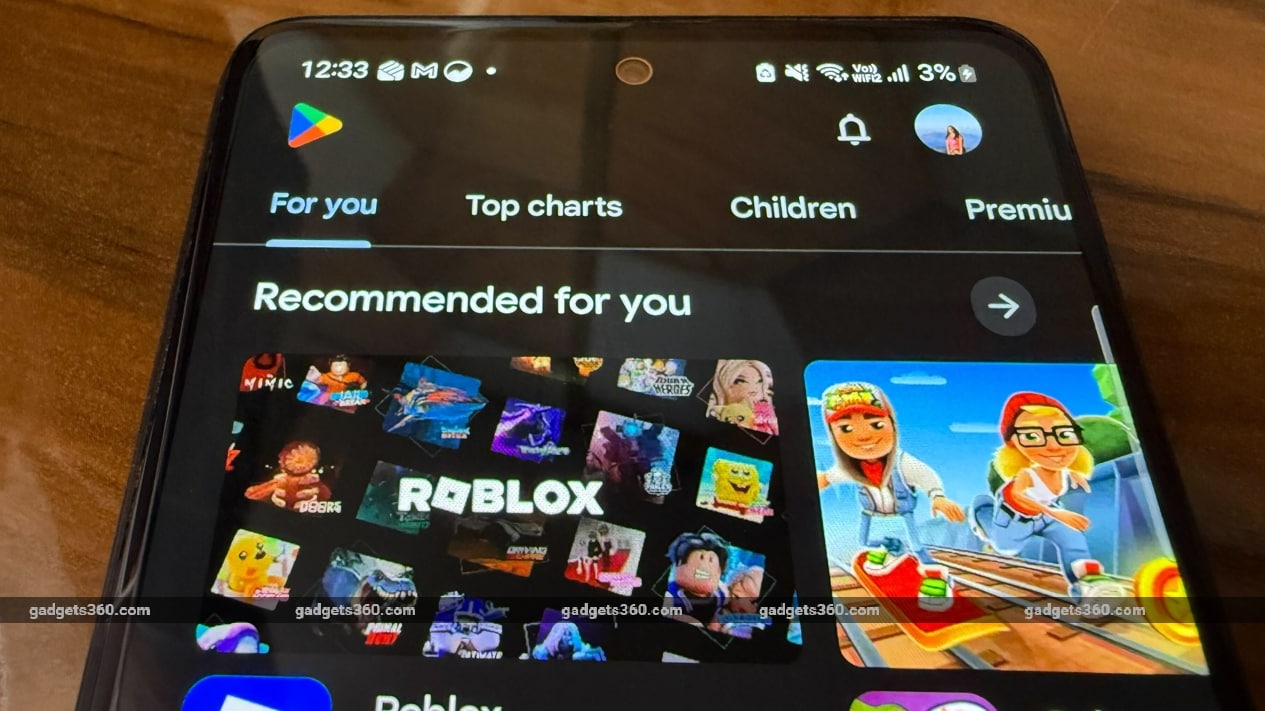
Google is set to revolutionize the Android ecosystem by allowing eligible third-party app stores in the US to surface Play Store apps starting July 22. This strategic shift aims to enhance competition while maintaining strict security standards.
Key Takeaways
- Third-party Android app stores in the US can surface Play Store apps starting July 22.
- Participating marketplaces must adhere to strict Google security and privacy protocols.
- An annual review fee of $5,000 (approx. ₹4,81,400) will be mandatory for access.
- The move aims to expand app discovery options within the Android ecosystem.
In a landmark move for the mobile operating system landscape, Google has announced the 'Play Catalog Access Program'. This initiative is designed to allow select third-party Android app stores within the United States to showcase applications from the massive Google Play Store catalog, effective from July 22. This represents a significant departure from the traditional closed-loop distribution model that has defined the Android experience for years.
The Cost of Competition
While the program opens doors for alternative marketplaces, it is not an unregulated free-for-all. To ensure ecosystem integrity, participating stores must meet rigorous security, privacy, and marketplace requirements set by Google. Furthermore, there is a financial barrier to entry: marketplaces must pay an annual review fee of $5,000. This fee is intended to cover the administrative and technical costs of ensuring that third-party platforms maintain the high standards expected of the Android brand.
Navigating Regulatory and Market Pressures
Industry analysts suggest that this move is a proactive response to increasing global scrutiny regarding digital monopolies. With regulators in various jurisdictions—including the UK—pushing companies like Apple to allow external payments and third-party NFC access, Google appears to be carving out a middle ground. By allowing 'discovery' on other platforms while maintaining oversight through the review fee and security mandates, Google manages to foster competition without relinquishing its role as the ultimate gatekeeper of Android security.
Implications for Developers and Users
For app developers, this means increased visibility across multiple storefronts, potentially driving higher installation rates without needing to build individual presence on every niche store. For users, it offers a more seamless experience where they can discover a wider variety of apps through their preferred third-party interfaces. However, the core functionality and security updates will remain tethered to Google's rigorous infrastructure, ensuring that the expansion of choice does not come at the expense of device safety.



