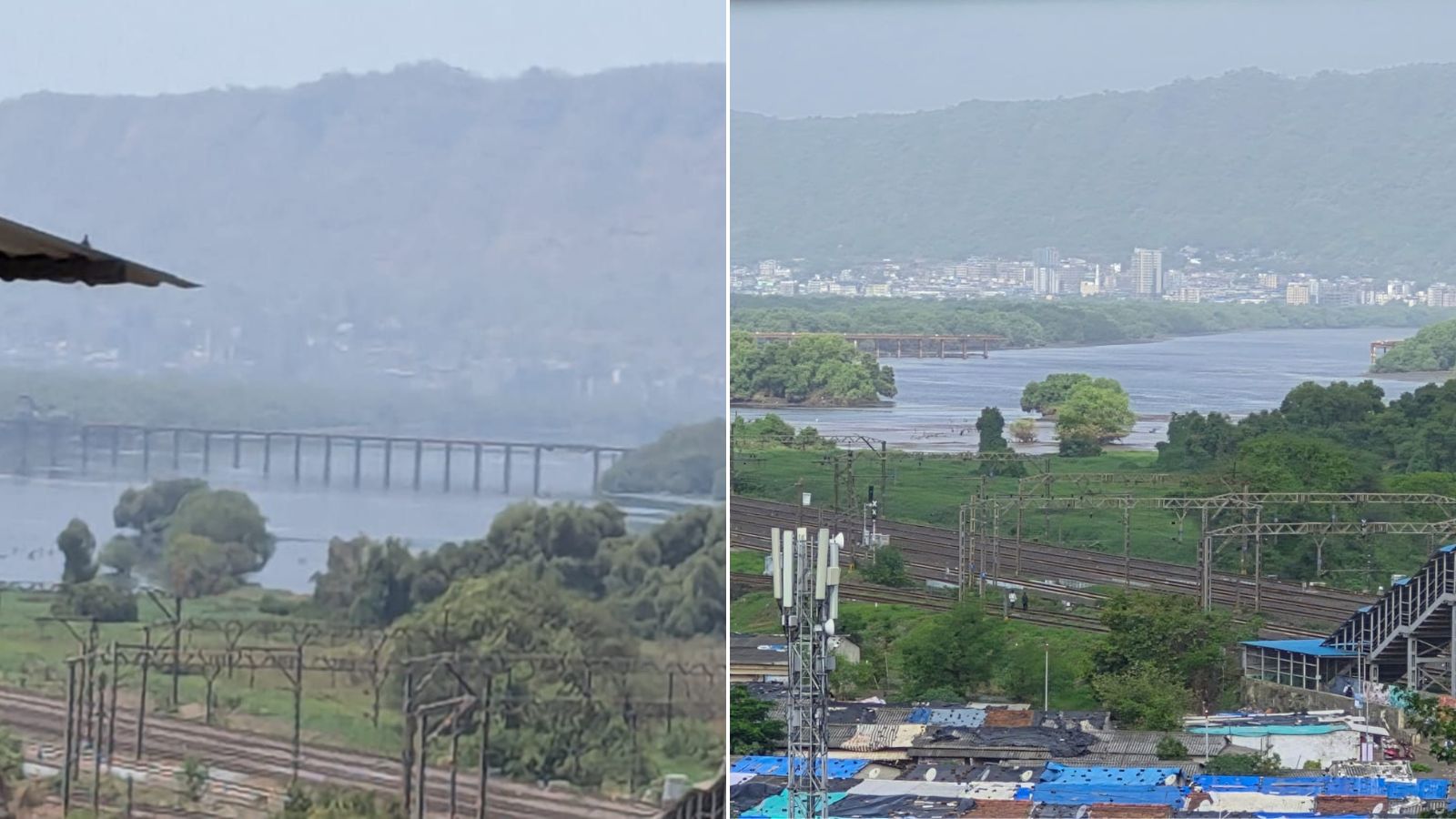
A temporary access bridge built for the Mumbai‑Ahmedabad high‑speed rail project was swept away by heavy monsoon rains in Thane. Sources confirm that the incident has not delayed the overall construction schedule or caused any injuries.
Key Takeaways
- Temporary bridge over the Ulhas River collapsed due to heavy rain
- No injuries or fatalities; workers were not on the bridge at the time
- Project timeline remains intact, with operations slated for August 15, 2027
The temporary structure erected in the Diva area of Thane, Maharashtra, was intended solely as an access route for moving equipment, construction material, and manpower while the permanent Mumbai‑Ahmedabad High Speed Rail (MAHSR) bridge is being built. Between July 4 and July 6, intense monsoon showers inundated the Mumbai Metropolitan Region, causing the bridge to wash away.
Project Background
Laid down in 2017, the 508‑km corridor is India’s inaugural bullet‑train venture, linking Mumbai (BKC) to Ahmedabad with 12 stations, including Thane, Virar, Boisar, Vapi, Bilimora, Surat, Bharuch, Vadodara, Anand, and Sabarmati. The National High Speed Rail Corporation Limited (NHSRCL) has not released an official statement, but reliable sources confirm that the loss of the temporary bridge does not impact the overall construction schedule.
Monsoon‑Related Challenges
Climate‑driven intensification of the monsoon in the western coastal belt has heightened flood risks for large‑scale infrastructure projects. This year’s July downpours triggered multiple site‑level setbacks, yet no workers were present on the bridge when it collapsed, averting any casualties. Officials emphasized that the temporary structure was never part of the permanent high‑speed rail network; it merely facilitated construction activities.
Way Forward
While the demolition of the Diva bridge is a setback, NHSRCL assures that a replacement access structure, if required, will be erected without affecting the planned timeline. The first operational segment of the bullet‑train corridor is expected to commence service on August 15, 2027, reducing travel time between Mumbai and Ahmedabad to roughly two hours. The project is hailed as a catalyst for economic growth, regional connectivity, and environmental benefits.
Conclusion
This incident underscores the vulnerability of temporary works to extreme weather, highlighting the need for climate‑resilient design and robust contingency planning. Nevertheless, the resilience of the main project schedule reflects India’s commitment to advancing high‑speed rail infrastructure.