As autonomous AI agents outpace traditional security workflows, enterprises must shift from 'build vs. buy' to a hybrid model centered on identity and foundation.
Key Takeaways
- AI agents operate autonomously, bypassing traditional human-speed security protocols.
- The 'Build vs. Buy' debate is evolving into a 'Buy the Foundation, Build the Operating Layer' strategy.
- Identity management is the critical cornerstone for securing agentic workflows.
For decades, enterprise security operated under a stable assumption: the digital environment was knowable and changed at human speed. Security teams could map systems, define policies, and rely on vendor dashboards to maintain control. However, the rise of AI Agents has shattered this playbook. Unlike standard applications, agents act autonomously, invoke tools, and change behaviors based on real-time context, often moving faster than any security scan can detect.
The Challenge of Agentic Sprawl
The complexity of AI agents lies in their unpredictability. Some are sanctioned within SaaS platforms, while others run locally as 'shadow AI.' Research from Token Security reveals a startling reality: over a fifth of local agents already possess direct access to production data sources. These agents can borrow human credentials and disappear before an inventory scan occurs, creating a massive operational gap that traditional, fixed-workflow vendors cannot bridge.
Rethinking the Build vs. Buy Dilemma
The cybersecurity industry is witnessing a fundamental shift in how tools are acquired. With AI-assisted development, teams can prototype custom tools in hours rather than weeks. However, the 'just build it' mentality ignores the immense complexity of the data layer. Building a custom application is easy; building secure, normalized integrations across AWS, Azure, GitHub, and Okta is an engineering nightmare that most security teams should avoid.
The Winning Strategy: Hybrid Security Architecture
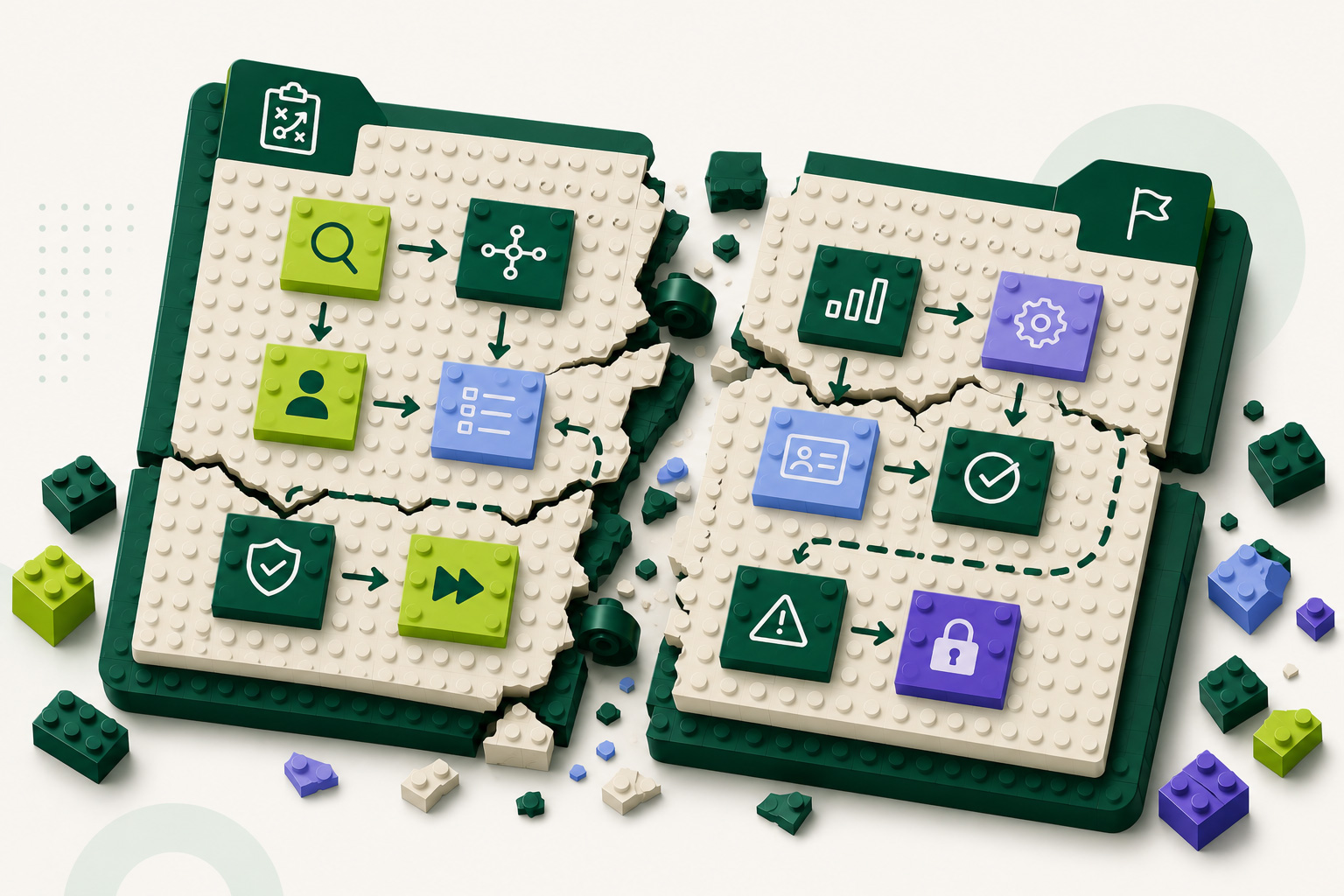
The future of cybersecurity is not a binary choice between building and buying. Instead, experts suggest a sophisticated hybrid approach: Buy the Foundation, Build the Operating Layer. Organizations should invest in purchased solutions for structurally complex tasks—such as continuous discovery, identity correlation, and access mapping. This allows security teams to focus their scarce engineering resources on owning the operational layer—the specific workflows, automations, and remediation paths that reflect their unique organizational needs.
At the heart of this new era lies Identity. Because AI agents frequently operate by inheriting or impersonating human identities, a robust, live identity foundation is the only way to maintain visibility and control in an agent-driven world.