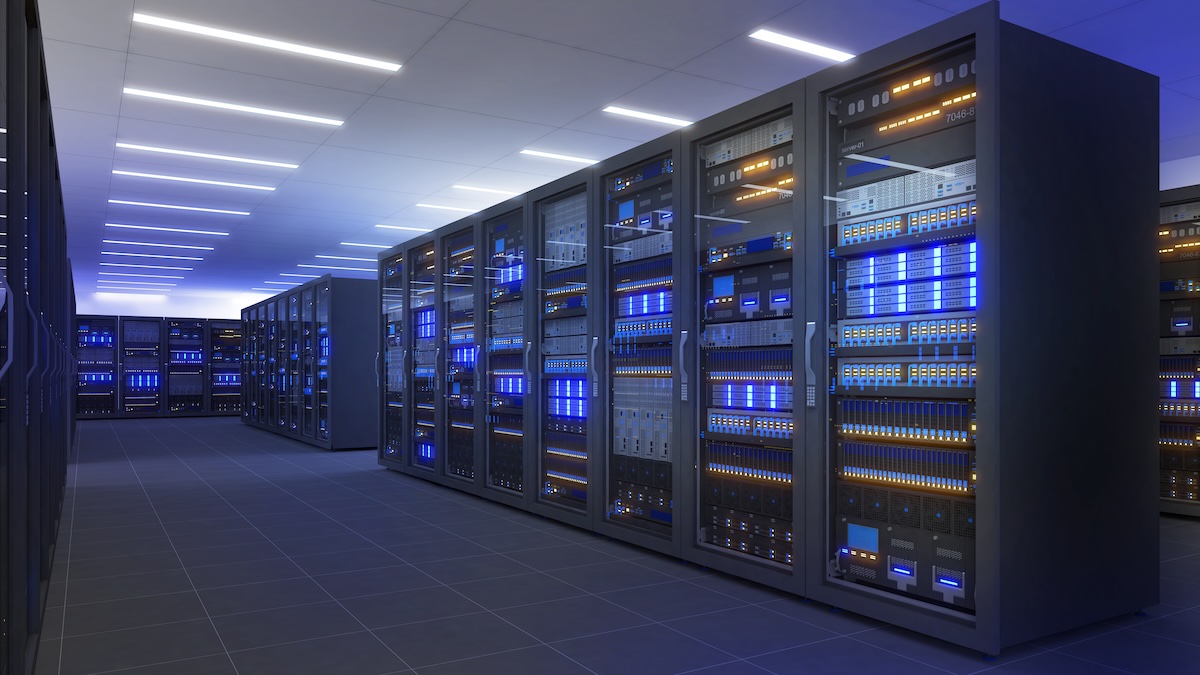
Rapid AI adoption is spurring a construction boom in data centers, but security safeguards are lagging behind, exposing these facilities to unprecedented threats. Unlike traditional centers, AI hubs operate as massive parallel engines, fundamentally altering risk profiles.
मुख्य बिंदु (Key Takeaways)
- AI data centers are being built faster than security solutions can keep up.
- Traditional and AI‑focused facilities differ in architecture and threat exposure.
- Lava Labs identifies ten critical security risks and prioritizes them for mitigation.
Artificial intelligence has become the single biggest growth engine in technology, yet its appetite for energy and compute power is reshaping data‑center design. To train and serve modern models, organizations are deploying dense GPU clusters that demand far more power, cooling, and bandwidth than legacy servers, prompting a wave of purpose‑built AI data centers.
Traditional vs. AI‑Centric Data Centers
Conventional data centers function as data‑processing warehouses serving known clientele, where individual servers often operate in isolation. AI data centers, by contrast, behave like a single high‑throughput engine: thousands of GPUs work in lockstep to satisfy massive parallel workloads. This shift breaks the classic trust model—where operators are presumed trustworthy—by introducing multi‑tenant, high‑value workloads from unrelated customers.
Lava Labs’ “Top 10” Risk Framework
Security firm Lava Labs released a detailed report enumerating the top ten risks unique to AI data centers, labeling them “Forge” because they aim to “harden the metal beneath the model.” The list includes firmware and hardware integrity compromise, network and interconnect vulnerabilities, unsafe multi‑tenant isolation, insecure out‑of‑band management planes, supply‑chain attacks, weak facility management systems, poor data handling, certification gaps, insecure operational services, and sluggish patch velocity. Risks are ordered by severity; the first five operate beneath the operating system and can cause cluster‑wide blast radii.
Implications for the Industry
The speed at which AI facilities are being erected leaves little room for comprehensive security testing, increasing the likelihood of large‑scale breaches, service disruptions, and loss of proprietary models. Experts warn that legacy security controls—designed for static, single‑tenant environments—cannot protect the dynamic, high‑density fabric of AI workloads. Robust firmware validation, encrypted high‑performance fabrics (InfiniBand, RoCE, NVLink), strict tenant isolation, and continuous patch management are now non‑negotiable.
Lava Labs concludes that while a new class of data center is essential for AI, the old design blueprint is obsolete. Companies must adopt a “security‑first” architecture, integrating hardware‑rooted trust, supply‑chain verification, and real‑time monitoring to mitigate the amplified blast radius inherent to AI compute clusters.