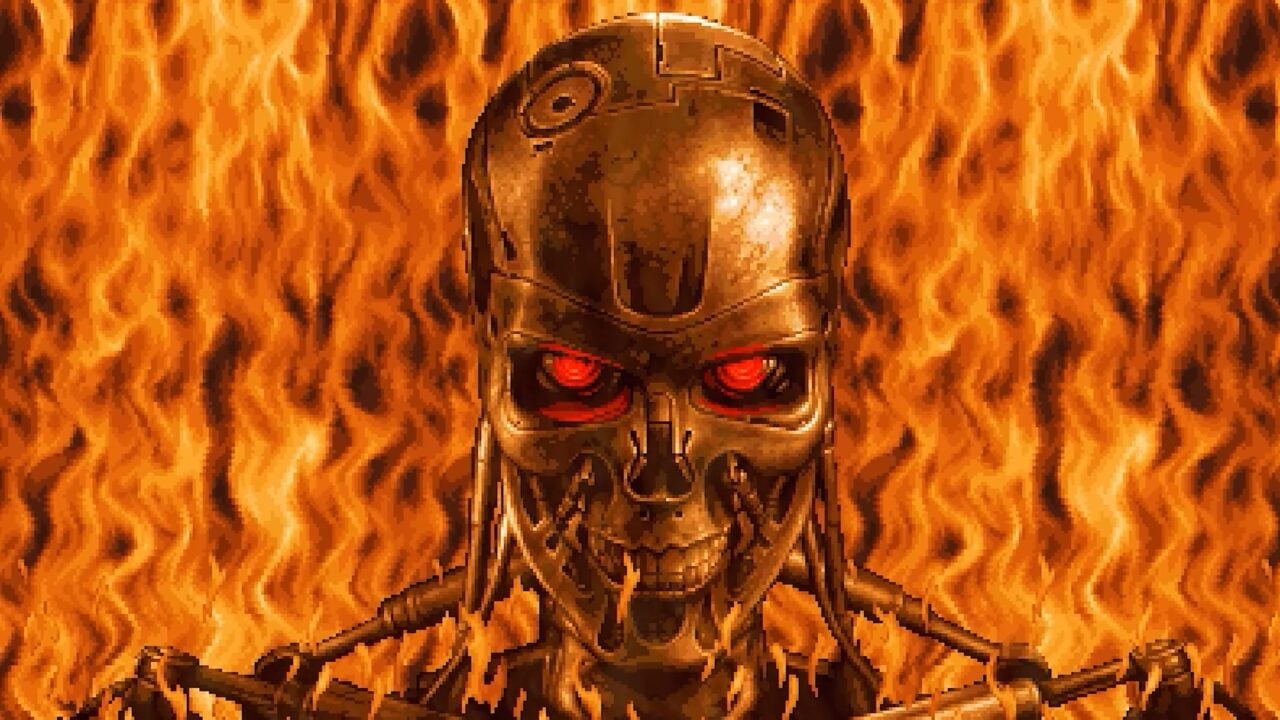
Eric Trump's ambitious claims about building an army of humanoid robot soldiers have sparked intense debate. While skeptics dismiss it as political bravado, the intersection of military AI and robotics remains a critical global flashpoint.
Key Takeaways
- Eric Trump's comments regarding a humanoid robot army have ignited global skepticism and technological debates.
- The current state of robotics makes the deployment of autonomous bipedal soldiers highly impractical in the near term.
- The intersection of political influence and private defense tech presents new regulatory challenges.
The news of Eric Trump, the son of former U.S. President Donald Trump, venturing into discussions about building an army of humanoid robot soldiers has sent shockwaves through both political and technological circles. While critics and tech experts have largely dismissed these claims as mere hyperbole, the underlying theme taps into a very real and rapidly accelerating global arms race: the integration of Artificial Intelligence (AI) and robotics in warfare.
Historical Background
For decades, the concept of robotic soldiers was confined to science fiction franchises like *The Terminator*. However, the transition from fiction to reality began with unmanned aerial vehicles (UAVs) and basic automated defense systems. In recent years, companies like Boston Dynamics and Tesla have demonstrated immense progress in bipedal and quadrupedal locomotion. Despite this, the transition from laboratory prototypes to battle-ready humanoid units capable of tactical decision-making remains a monumental hurdle that even the most advanced military-industrial complexes have yet to clear.
| Feature / Aspect | Eric Trump's Vision | Current Technological Reality |
|---|---|---|
| Deployment Readiness | Immediate, sovereign-grade robotic armies. | Decades away from active bipedal combat deployment. |
| Power Source & Efficiency | Autonomous, long-lasting battlefield operations. | Severe battery limitations (typically under 2 hours of high activity). |
| Command & Control | Independent tactical execution. | Heavy reliance on human-in-the-loop systems to prevent ethical disasters. |
Why This Matters
While the idea of a presidential scion single-handedly raising a robotic army may seem far-fetched, the discourse itself reflects a deeper shift in how modern warfare is conceptualized. BozokMedia analysis shows that the public positioning of such technologies by politically connected figures serves to normalize the weaponization of AI. This normalization could accelerate deregulation, allowing private entities to bypass traditional oversight under the guise of national security innovation.
Furthermore, BozokMedia analysis shows that this development could trigger a preemptive response from geopolitical rivals like China and Russia. If key political figures in the West are perceived to be backing private robotic initiatives, it may compel adversarial nations to increase their own state-sponsored funding for autonomous weapons, thereby escalating a highly dangerous and unregulated global AI arms race.
"The bottleneck in humanoid military robotics is not just the hardware, but the immense ethical and computational challenge of real-time combat decision-making." - Dr. Aris Thorne, Autonomous Warfare Expert.
Frequently Asked Questions
Q1: Is Eric Trump actually capable of building a robot army?
A1: No. Developing humanoid military robotics requires billions of dollars in specialized research, state-of-the-art laboratory infrastructure, and highly regulated military clearance, which private individuals do not possess.
Q2: What is the biggest limitation of current humanoid robots?
A2: The primary limitations are power density (battery life), mechanical durability under combat conditions, and the lack of reliable AI capable of navigating chaotic, unpredictable battlefield environments without human intervention.