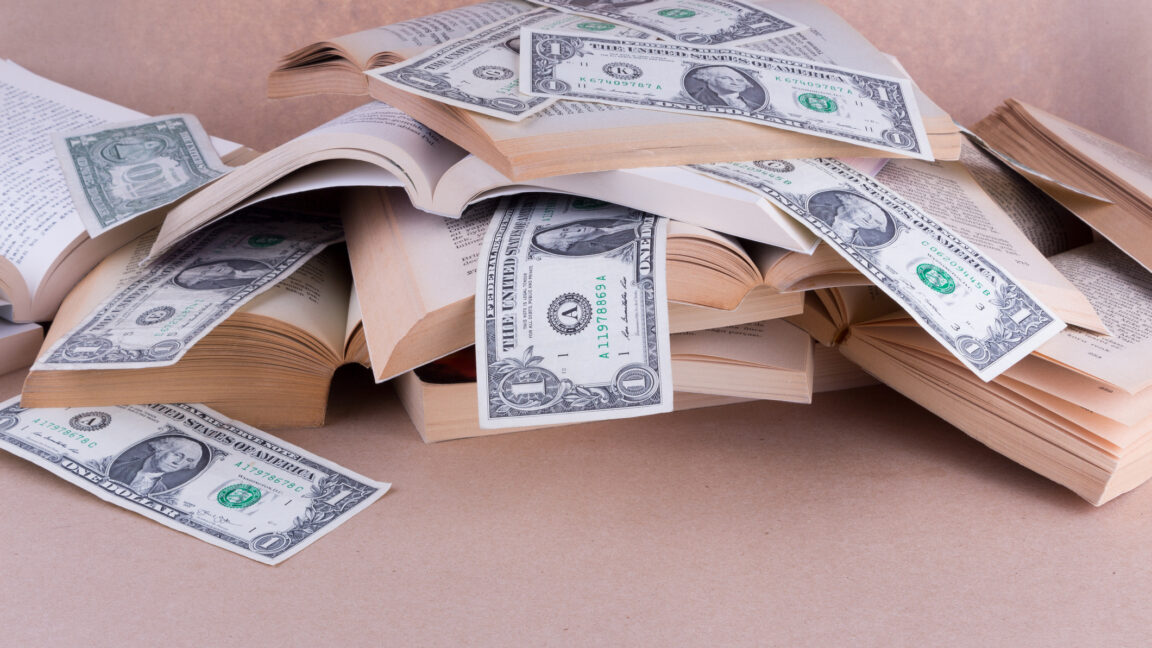
A judge has approved a massive $1.5 billion settlement between AI giant Anthropic and authors, marking the largest copyright class-action settlement in history.
In a landmark decision on Monday, a judge approved a $1.5 billion settlement between AI developer Anthropic and a group of authors. This ruling concludes the largest certified copyright class-action lawsuit to date, setting a massive precedent for how artificial intelligence companies interact with intellectual property. The settlement aims to resolve long-standing disputes regarding the use of copyrighted books to train large language models.
The legal battle stemmed from a complex judicial distinction: while the court previously ruled that training AI on books could constitute 'fair use,' the actual unauthorized reproduction and piracy of those works were deemed potentially unlawful. In May, a subset of authors attempted to block the settlement, arguing that the proposed payouts were insufficient and that legal fees consumed too much of the total fund. These authors sought to opt out to pursue independent lawsuits for higher damages.
Why This Matters (इसके मायने क्या हैं)
BozokMedia analysis shows that this settlement acts as a blueprint for the entire generative AI industry. As tech giants like OpenAI and Google face similar litigation, the Anthropic settlement establishes that financial compensation is the likely middle ground to avoid total regulatory crackdowns. It signals to the market that 'data scraping' is no longer a free resource but a high-cost commodity.
For the creative economy, this is a double-edged sword. While it provides immediate liquidity to thousands of authors through estimated payouts of $3,000 per work, it also effectively caps the potential damages authors could have won in individual high-stakes trials. This creates a predictable, albeit lower, ceiling for intellectual property value in the age of automation.
"This settlement represents a pragmatic truce in the war between silicon-based intelligence and human-centric creativity."
Historical Background
The tension between copyright law and technological advancement is not new, but the scale of Generative AI has escalated it. Historically, copyright law was designed to protect physical copies and digital distributions. However, the concept of 'machine learning'—where a model learns patterns rather than copying text—has created a legal gray area. This case is part of a broader wave of litigation involving the New York Times and famous novelists, all testing the limits of the Digital Millennium Copyright Act (DMCA).
| Issue | Authors' Opposition View | Settlement Terms (Approved) |
|---|---|---|
| Payout Amount | Deemed too low per work | Estimated $3,000 per work |
| Legal Costs | Lawyer fees were disproportionately high | Integrated into settlement structure |
| Legal Recourse | Wanted to file separate lawsuits | Bound by the class-action agreement |
Frequently Asked Questions (अक्सर पूछे जाने वाले प्रश्न)
Question 1: Can authors still opt out of this settlement?
Answer: The deadline for opting out has passed, and the court's approval means the settlement is now binding for the class.
Question 2: How much will an individual author receive?
Answer: Payouts are estimated at approximately $3,000 per individual work included in the settlement.