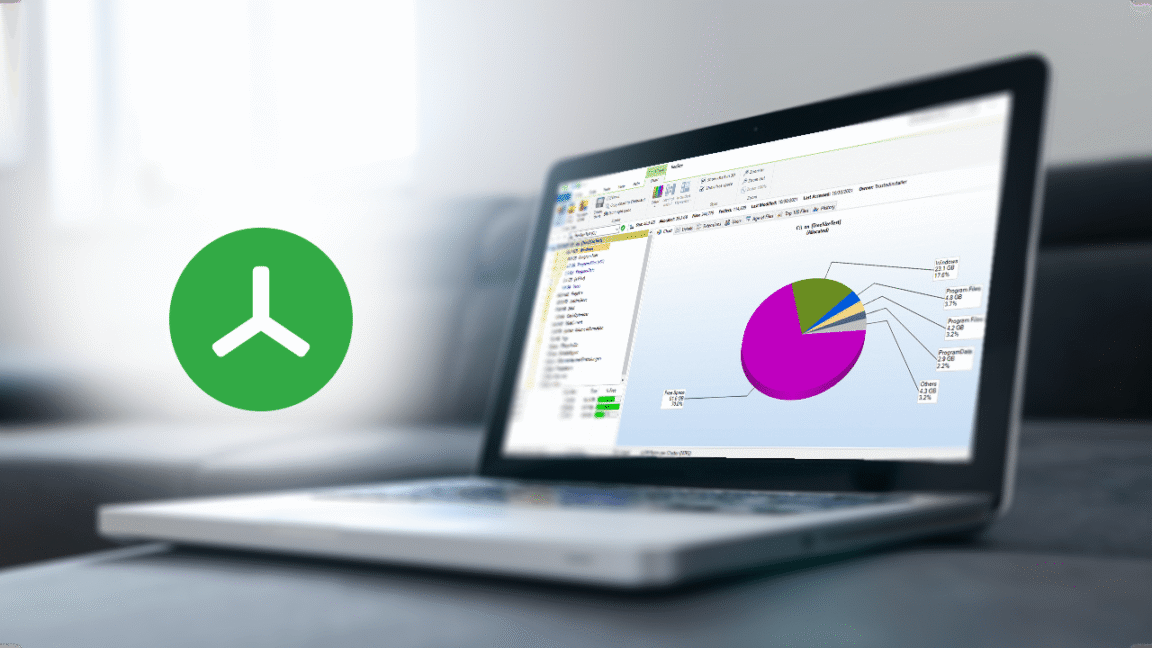
JAM Software is pivoting its business model for TreeSize, sparking backlash among users who prefer one-time purchases over recurring subscription fees.
The software landscape is witnessing a significant shift as JAM Software, the developer behind the popular disk space analyzer TreeSize, moves away from traditional licensing. Users who previously relied on perpetual licenses—a one-time purchase model—are expressing deep frustration as the company announces that support and updates beyond the maintenance period will now require a subscription.
The controversy is compounded by JAM Software's long-standing policy of not providing license keys or installers to perpetual license holders once their official support period expires. This creates a scenario where users who 'own' the software find themselves unable to access essential updates or even re-install their tools without transitioning to a recurring payment model.
Why This Matters (इसके मायने क्या हैं)
BozokMedia analysis shows that this move is a textbook example of the industry-wide migration toward 'Software as a Service' (SaaS). For individual professionals and small businesses, this represents a shift from capital expenditure (buying an asset) to operational expenditure (paying for a service). This change increases the long-term total cost of ownership for software tools.
Politically and economically, this trend grants software giants immense power over consumer behavior. By making it difficult to maintain older, owned versions, companies effectively force a continuous revenue stream. While this ensures steady cash flow for developers to fund new features, it risks alienating a loyal user base that values digital ownership and stability.
The transition from ownership to access is fundamentally altering the relationship between software developers and their end-users.
Historical Background
Historically, the software industry was built on the 'Shrink-Wrap' model, where a customer purchased a physical or digital copy of a program once and owned that specific version indefinitely. This provided stability for enterprise environments. However, the advent of cloud computing and the need for rapid security patching led to the rise of subscription models, which allow developers to push continuous updates while ensuring predictable recurring revenue.
| Feature | Old Model (Perpetual) | New Model (Subscription) |
|---|---|---|
| Payment Structure | One-time upfront cost | Recurring (Monthly/Yearly) |
| Updates & Support | Limited duration | Continuous/Always-on |
| User Control | High (Own the version) | Low (Access-based) |
Frequently Asked Questions (अक्सर पूछे जाने वाले प्रश्न)
1. Can I still buy a perpetual license for TreeSize?
Yes, according to product manager Hendrik Christ, there are currently no plans to discontinue perpetual licenses for TreeSize Personal, though they include limited support.
2. Why won't they give me my license key after the support ends?
JAM Software's policy restricts the provision of license keys and installers once the maintenance/support period has lapsed, nudging users toward subscriptions.


