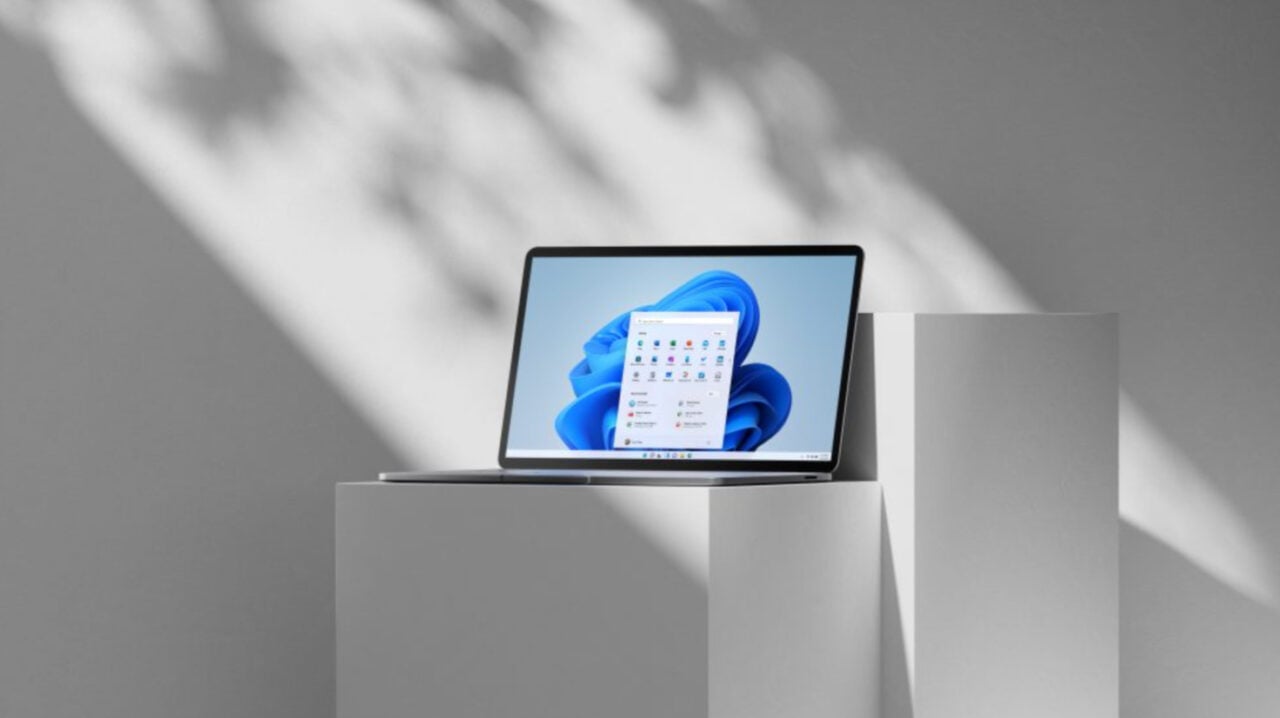
A combination of AI-driven RAM demands and Windows 11 bloatware is reportedly causing Microsoft's latest Surface Laptop to freeze during basic tasks.
In a startling development for tech enthusiasts, Microsoft's latest Surface Laptop, priced at approximately $900, is reportedly struggling to maintain basic functionality. Despite being a premium device, users are reporting frequent system freezes, raising serious questions about the optimization of Windows 11.
Industry experts point toward two primary culprits: the excessive 'bloatware' embedded within Windows 11 and a phenomenon being dubbed 'AI-induced RAMageddon.' As Microsoft pushes heavily into Artificial Intelligence, the background processes required to support these features are consuming massive amounts of system memory (RAM), leaving little room for standard user operations.
Why This Matters (इसके मायने क्या हैं)
BozokMedia analysis shows that this isn't just a localized hardware glitch, but a systemic issue in modern software development. When software requirements outpace hardware optimization, the gap between 'theoretical power' and 'actual usability' widens. This trend forces consumers into a cycle of frequent hardware upgrades just to maintain current productivity levels.
For the average professional or student, this means that the premium price tag no longer guarantees a seamless experience. If Microsoft fails to balance its ambitious AI roadmap with efficient resource management, it risks losing significant market share to competitors like Apple, whose ecosystem is often praised for its tighter hardware-software integration.
The relentless push for AI integration is creating a resource vacuum that even high-end hardware is struggling to fill.
Historical Background
Microsoft has faced similar criticism in the past, most notably during the rollout of Windows Vista. That era was defined by hardware that simply couldn't keep up with the new OS's demands. Today, the struggle has shifted from basic driver compatibility to the complex management of AI workloads and memory-intensive background services that characterize the modern Windows environment.
| Aspect | Legacy Windows (e.g., Win 10) | Modern Windows 11 |
|---|---|---|
| Resource Footprint | Lightweight & Optimized | Heavy & AI-intensive |
| Memory Management | Predictable | Highly Volatile (RAM-hungry) |
| Primary Focus | User Stability | AI Integration & Features |
Frequently Asked Questions (अक्सर पूछे जाने वाले प्रश्न)
Question 1: Is Windows 11 inherently bad for performance?
Answer: Not inherently, but its heavy reliance on background AI services and pre-installed apps can significantly degrade performance on mid-range hardware.
Question 2: How can I prevent my laptop from freezing?
Answer: Ensuring you have at least 16GB of RAM, disabling unnecessary startup apps, and keeping drivers updated can help mitigate these issues.


