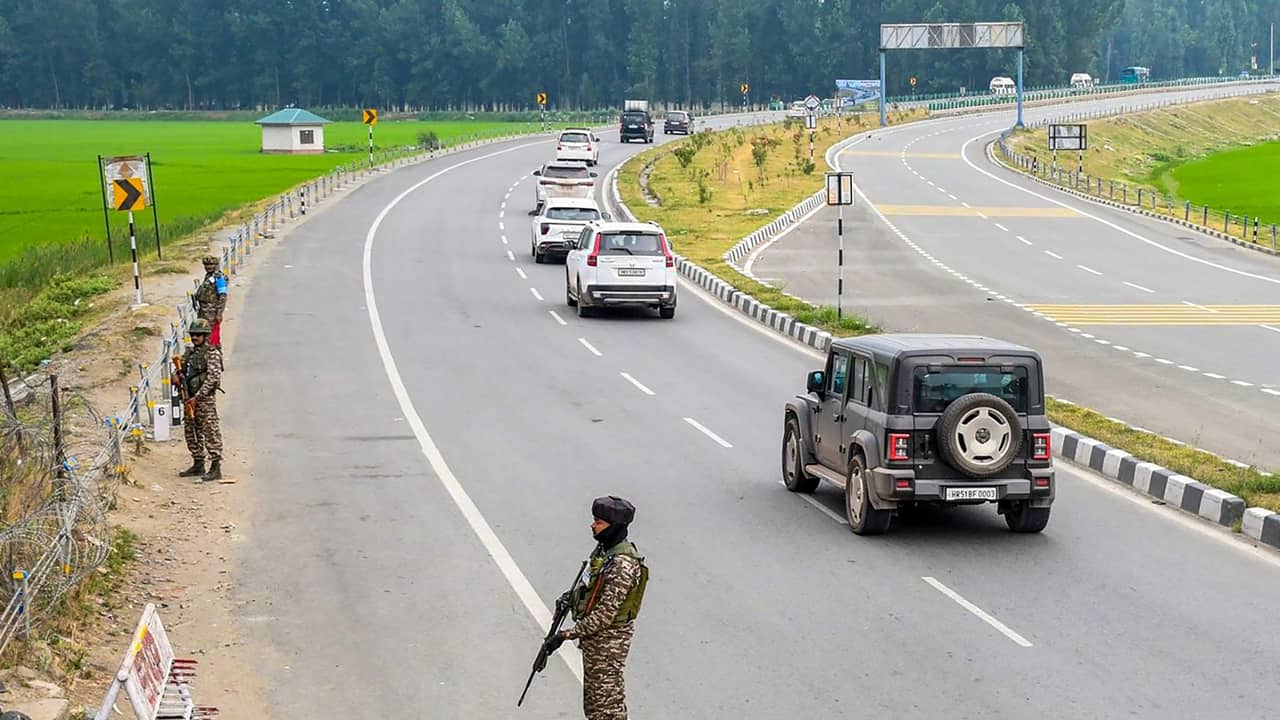
Anantnag police leveraged a real‑time facial recognition system to detain three suspected over‑ground workers during the Amarnath pilgrimage. The operation underscores how advanced surveillance tech is reshaping security protocols for high‑risk religious events.
Every year, over 80,000 devotees embark on the sacred Amarnath Yatra, presenting a formidable security challenge for authorities. In response, the Jammu & Kashmir government deployed a network of cutting‑edge Facial Recognition Systems (FRS) along critical stretches of the route, enabling instant identification of suspicious movement.
Security Challenges and Technological Countermeasures
The pilgrimage has historically been targeted by terrorist outfits and illegal over‑ground workers (OGWs). Conventional checkpoint methods alone proved insufficient, prompting a shift toward biometric analytics, AI‑driven alerts, and integrated command‑center operations.
Details of the Operation
On Wednesday, the FRS installed at the Sarbal segment flagged three individuals whose facial signatures matched watch‑list entries. Anantnag police units, already on standby, intercepted the suspects within minutes, conducted thorough identity verification, and confirmed all three as alleged OGWs. They were taken into custody for further interrogation and legal action.
Significance of Technology‑Driven Policing
Officials hailed the swift apprehension as a testament to the efficacy of technology‑enabled policing. Real‑time alerts coupled with rapid field response reduce the window for hostile actors to act, thereby safeguarding pilgrims and preserving the sanctity of the annual event.
Looking Ahead
The police reiterated their commitment to expanding such surveillance infrastructure across the pilgrimage corridor and urged the public to remain vigilant and cooperate with security forces. The blend of high‑tech monitoring and community awareness promises a more secure, incident‑free Amarnath Yatra in the years to come.