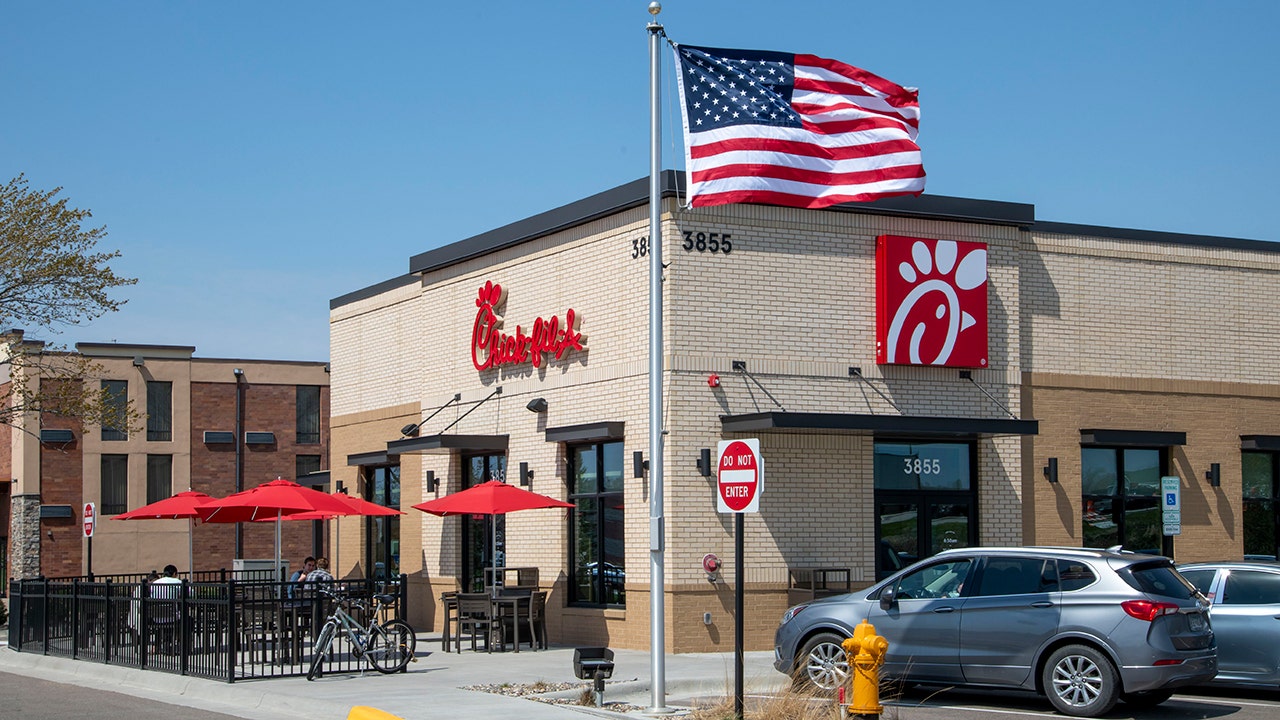
Fast-food giant Chick-fil-A has confirmed a security breach affecting a limited number of customer loyalty accounts. Discover what data was exposed and how to protect yourself.
Key Takeaways
- Chick-fil-A identified suspicious login activity in 'One Loyalty' accounts.
- Exposed data may include names, emails, and mobile payment numbers.
- The breach occurred between June 17 and June 19 via unauthorized access.
- The company has reset passwords and notified affected customers.
Atlanta-based fast-food powerhouse Chick-fil-A has officially addressed a security incident that may have compromised the personal information of a limited number of its 'Chick-fil-A One' loyalty members. The company moved swiftly to secure the affected accounts after detecting unauthorized activity on its digital platforms.
According to reports, the incident targeted the company’s website and mobile app between June 17 and June 19. Interestingly, the attackers did not necessarily breach Chick-fil-A's core infrastructure directly; instead, they utilized account credentials obtained from a "third-party source." This suggests a sophisticated attempt to exploit reused passwords across multiple platforms.
Why This Matters (इसके मायने क्या हैं)
BozokMedia analysis shows that this incident highlights the growing vulnerability of 'Loyalty Programs' in the retail sector. As brands move toward hyper-personalized digital experiences, they create massive repositories of consumer data that are highly attractive to cybercriminals.
For the average consumer, this serves as a critical reminder of the dangers of password reuse. If a user utilizes the same credentials for their email, social media, and fast-food loyalty apps, a breach in one can lead to a domino effect across their entire digital identity. This incident underscores the urgent need for multi-factor authentication (MFA) across all consumer-facing services.
The use of third-party credentials suggests that the threat is not just about breaking into a system, but about exploiting the human tendency to reuse passwords.
Data Exposure Breakdown
| Type of Data | Risk Level |
|---|---|
| Names and Email Addresses | Medium |
| Mobile Payment Numbers | High |
| Last 4 Digits of Payment Cards | Medium |
| Loyalty Credit Balances | Low |
Historical Background: In the history of cybersecurity, 'Credential Stuffing' has become one of the most prevalent attack vectors. Major retailers and fast-food chains have frequently been targets because loyalty data provides a roadmap to a consumer's habits, location, and payment methods, making it a valuable asset for identity thieves.
Frequently Asked Questions (अक्सर पूछे जाने वाले प्रश्न)
Q1: Is my full credit card information safe?
A: Yes, the company reported that only the last four digits of payment cards were potentially exposed, not the full numbers or CVV.
Q2: What steps should I take immediately?
A: Change your Chick-fil-A password immediately and, more importantly, update any other accounts that use the same password.