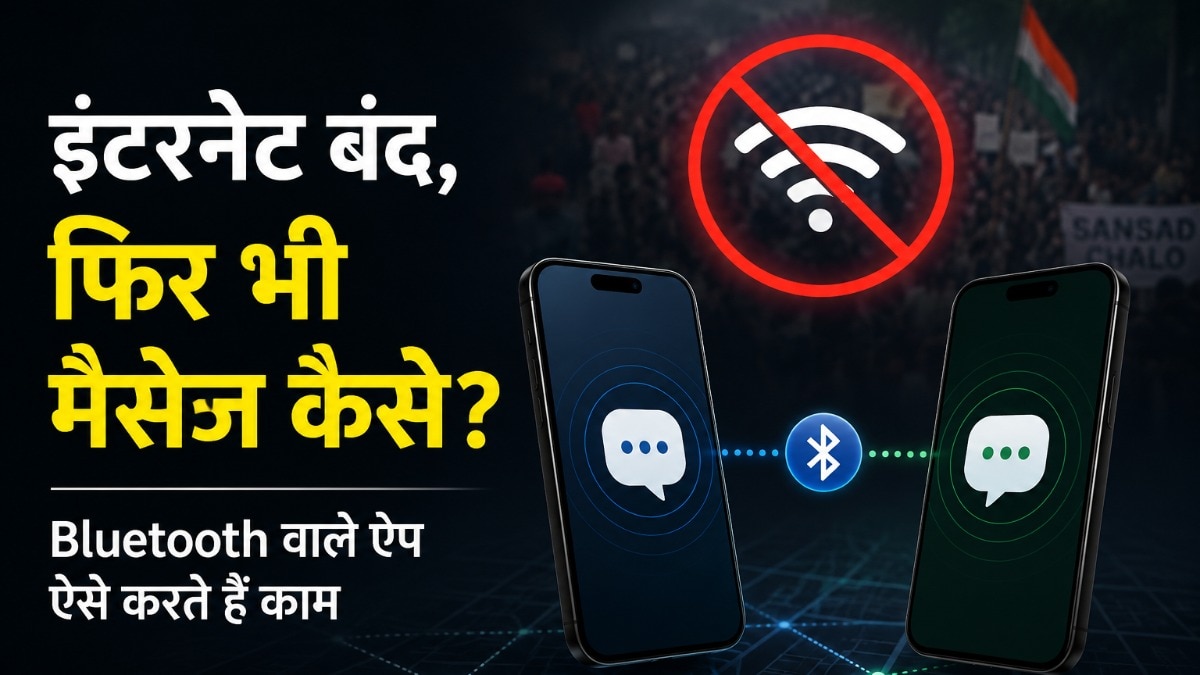
Despite an internet shutdown at Jantar Mantar, protesters exchanged messages using Bluetooth‑mesh apps. This article explains how the technology works, its limitations, and why authorities are scrambling to trace the traffic.
Key Takeaways
- Bluetooth‑mesh apps enable messaging without internet or cellular data
- Bridgefy, Briar, and Bitchat are the most discussed tools
- Range is limited; a dense network of users is required
During the ongoing CJP and student protest at Delhi’s Jantar Mantar, a new technological narrative emerged. Demonstrators claim they are using messaging applications that function without any internet or mobile network, complicating police efforts to monitor communications.
The core of these apps is a Bluetooth mesh network. Each smartphone acts like a tiny tower, linking to nearby devices. If two phones are within 50‑100 meters, a message hops directly; for greater distances, intermediate phones relay the data until it reaches the intended recipient.
The most frequently cited apps are Bridgefy, Briar and Bitchat. Bridgefy connects phones via Bluetooth, Briar switches to the Tor network when internet is available but falls back to Bluetooth/Wi‑Fi Direct when it isn’t, and Bitchat operates solely on mesh technology without requiring phone numbers or central servers.
These solutions have clear limitations. Bluetooth’s range is modest, and successful delivery depends on a critical mass of users running the same app. Consequently, they cannot match the instant global reach of WhatsApp, but they provide a vital lifeline when conventional networks are disabled.
Historical Background
Bluetooth mesh was first deployed during natural disasters—earthquakes and floods—when cellular towers went down. Several countries have officially endorsed mesh‑based apps for emergency communication, proving their reliability under extreme conditions.
Why This Matters
BozokMedia analysis shows that the adoption of mesh‑based messaging in protests signals a shift toward decentralized communication, making state surveillance harder and empowering grassroots coordination.
"Mesh networking offers resilience, but it also raises new challenges for law enforcement and digital privacy," says Dr. Ananya Verma, cybersecurity researcher.
Frequently Asked Questions
Q1: Are these apps completely secure?
A: Security varies by app; many provide end‑to‑end encryption, yet physical device tracking remains possible.
Q2: Can the average smartphone download these apps?
A: Yes, they are generally available on Google Play or the Apple App Store, though some are region‑restricted.

