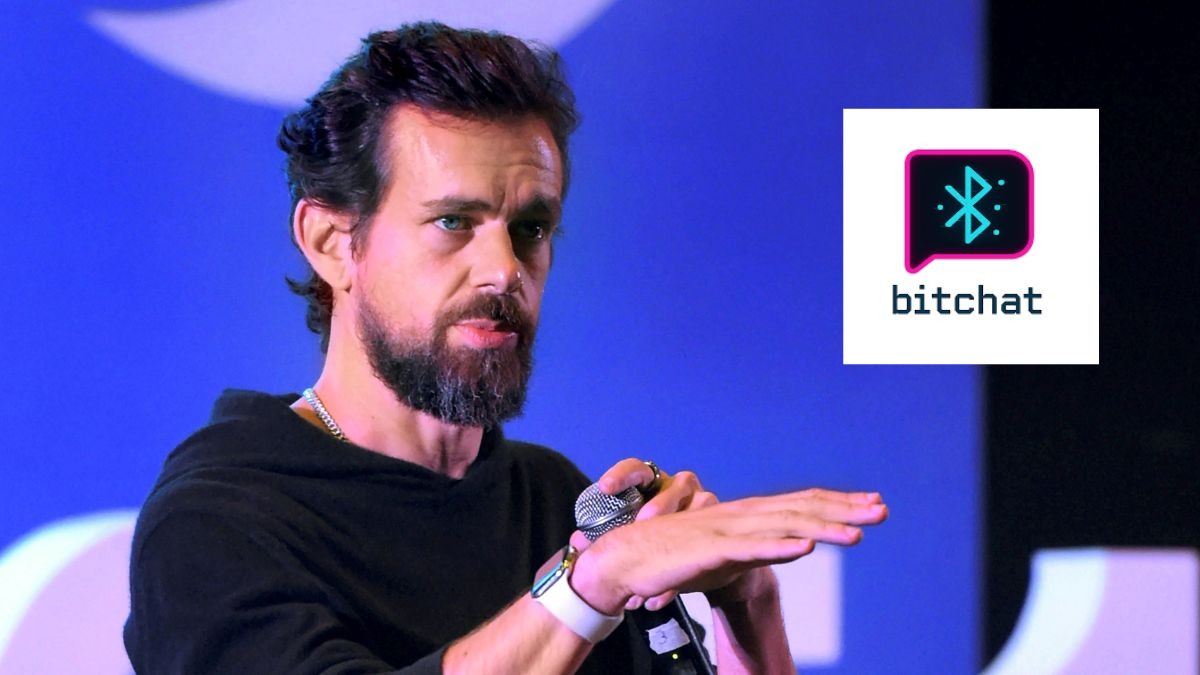
Twitter founder Jack Dorsey has alleged that the Indian government is moving to ban Bitchat, an open-source messaging app that functions without internet or mobile networks.
Key Takeaways
- Jack Dorsey claims the Indian government intends to take down Bitchat.
- Bitchat operates via Bluetooth Mesh Network, requiring no internet or cellular data.
- The app allows communication without phone numbers or email registration.
- Authorities cite national security and public order concerns.
In a major development, Jack Dorsey, the founder of X (formerly Twitter), has claimed that the Indian government is attempting to suppress Bitchat, a revolutionary messaging platform. Dorsey shared a purported government document on X, suggesting that authorities view the technology as a potential threat to national security.
Understanding Bitchat: The Internet-Free Messenger
Bitchat is an open-source project designed to facilitate communication through Bluetooth Mesh Networking. Unlike traditional apps like WhatsApp or Telegram, Bitchat does not require an internet connection, a mobile data plan, or even a central server. It enables devices to act as relays, passing messages from one phone to another within range.
Why This Matters: The Privacy vs. Security Dilemma
BozokMedia analysis shows that Bitchat represents a significant challenge to modern surveillance and law enforcement capabilities. Because the app requires no user registration—meaning no phone numbers or email addresses—it creates a near-impenetrable layer of anonymity. This makes it nearly impossible for agencies to track communications during periods of civil unrest or internet shutdowns.
Decentralized, serverless communication is the ultimate frontier for privacy, but a nightmare for traditional state surveillance.
The alleged notice, reportedly issued by the Indian Cyber Crime Coordination Centre (I4C), has directed GitHub to remove Bitchat's repositories and Android release pages. The document argues that such technology could be exploited to coordinate riots, violent protests, or organized crime, especially during internet blackouts.
Historical Background: Digital Regulation in India
India has a complex history with digital regulation, frequently utilizing internet shutdowns to maintain order. The government has previously engaged in legal battles with platforms like WhatsApp and Telegram over encryption and data traceability, highlighting a long-standing tension between user privacy and state oversight.
Frequently Asked Questions
1. Does Bitchat require a SIM card to work?
No, it relies on Bluetooth mesh technology and does not require a mobile network or SIM.
2. Has the Indian Government confirmed this ban?
As of now, there has been no official statement from the Ministry of Home Affairs or the I4C regarding this claim.