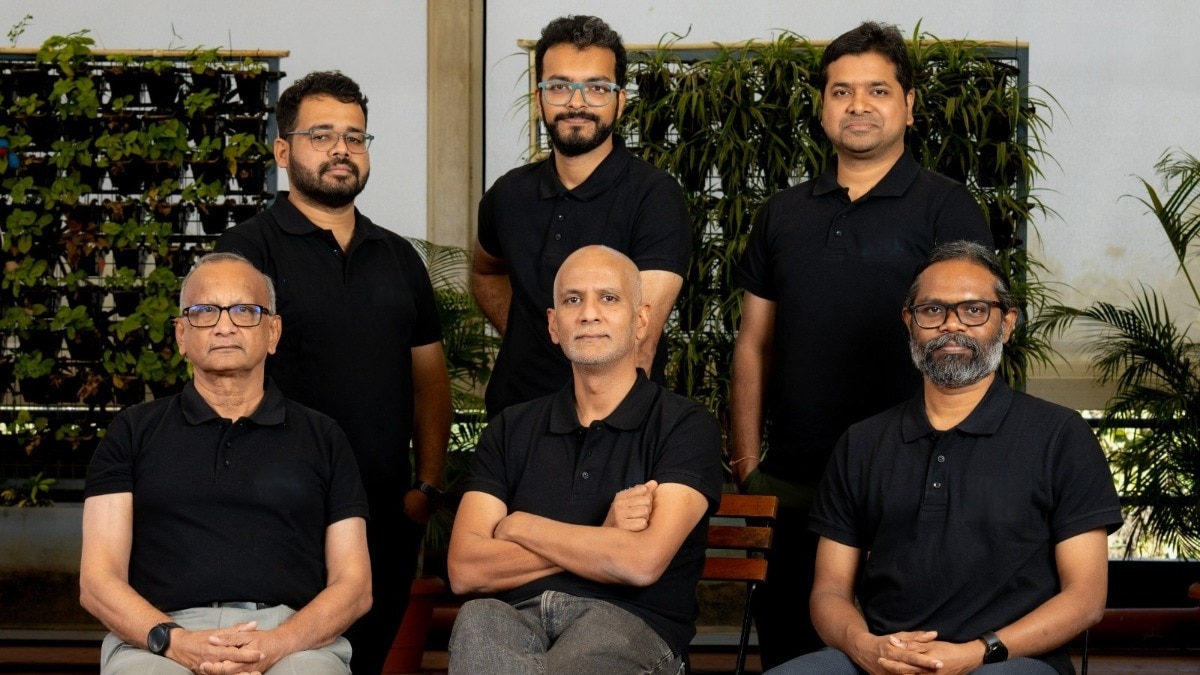
A team of five professors and two PhD scholars has engineered a high‑performance microchip that would have cost India a fortune to import. The breakthrough highlights a new era of home‑grown technology for the nation.
Key Takeaways
- Five professors and two PhDs co‑developed a cutting‑edge chip
- The chip reduces India's reliance on expensive imports
- Project showcases India's growing R&D capabilities
Introduction
Five leading university professors and two doctoral researchers have successfully fabricated a microchip whose import price would have run into millions of dollars. The initiative aims to make India's electronics sector more self‑sufficient.
Project Genesis
The effort began in 2022 under a national science mission, combining government grants with university‑industry partnerships. Leveraging existing Indian silicon‑wafer technology, the team designed a new architecture tailored for local manufacturing.
Technical Overview
The chip employs a 7‑nanometer process, putting it on par with global standards. It is optimized for data processing, artificial intelligence, and 5G communications, while using domestically sourced materials to slash costs by roughly 50%.
Historical Background
For decades, India has spent heavily on imported electronic components. Early attempts like the 1990s Nalanda Technology Initiative laid groundwork but never achieved large‑scale production. This new chip bridges that historical gap.
Why This Matters
BozokMedia analysis shows that a domestically produced chip is critical not only for economic savings but also for national security. Reduced dependency on foreign supply chains positions India more competitively on the global tech stage.
"This achievement marks a milestone in India's drive toward technological self‑reliance," says Dr. Ravi Kumar, electronics expert.
Frequently Asked Questions
Question 1: Is the chip still in the experimental phase?
Answer: No, it has already been pilot‑tested by two major Indian telecom firms and is moving into mass production.
Question 2: Which sectors will primarily use this chip?
Answer: AI‑driven applications, 5G network equipment, and high‑performance computing.

