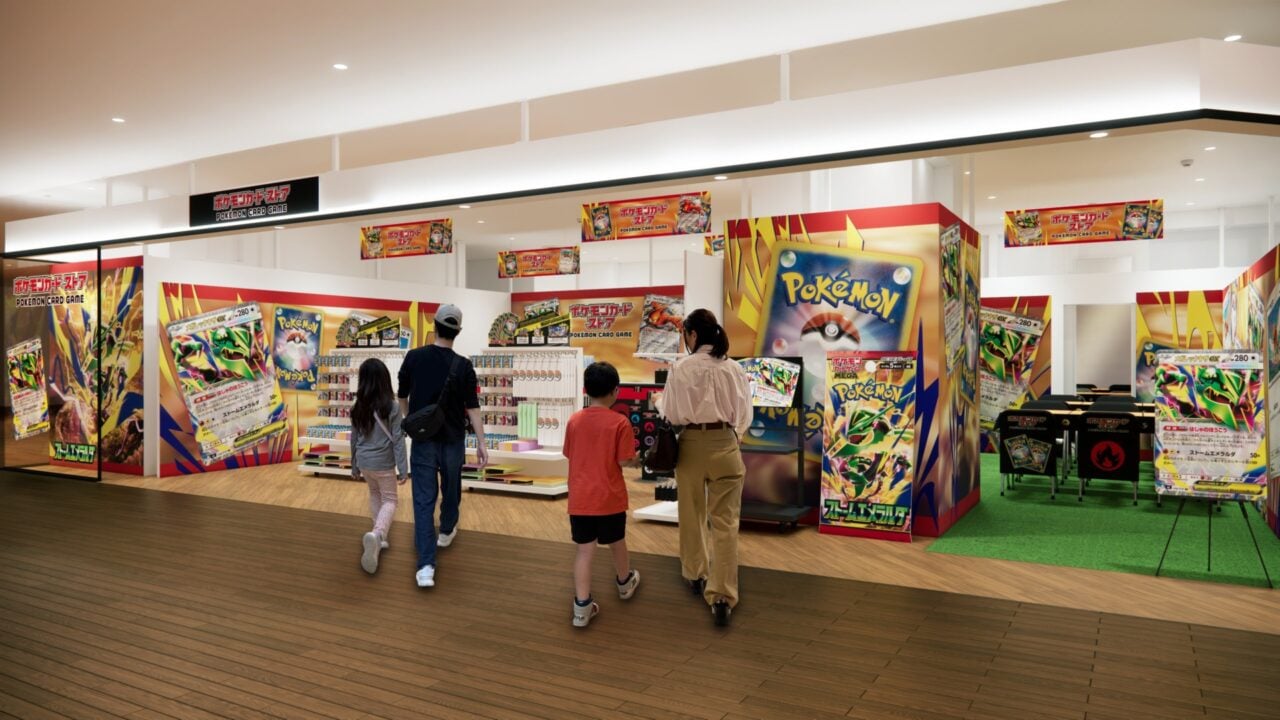
Pokémon card stores in Japan are taking extreme measures to fight back against rampant scalping and retail crime. By implementing state-of-the-art facial recognition technology, stores aim to ensure fair distribution and secure shopping environments for genuine collectors.
Key Takeaways
- Japanese Pokémon stores are deploying facial recognition systems to identify and bar scalpers.
- The move aims to curb "crime" associated with high-value card trading and chaotic store crowds.
- This represents a drastic escalation in retail surveillance within the gaming and collectibles industry.
In an unprecedented move to protect genuine collectors and maintain order, Pokémon Trading Card Game (TCG) specialty stores in Japan are implementing advanced facial recognition systems. The initiative is designed to identify known scalpers and prevent criminal activities, marking a significant escalation in the war against the secondary market craze that has plagued the collectibles industry for years.
The Scalping Crisis and Retail Chaos
Over the past few years, the Pokémon TCG has evolved from a popular hobby into a multi-million dollar alternative asset class. High-demand expansion packs often sell out within minutes, only to be resold online at exorbitant markups. This frenzy has not only frustrated players but has also led to physical altercations, store break-ins, and chaotic crowds outside retail outlets across Tokyo and Osaka.
Why This Matters
A BozokMedia analysis shows that this aggressive technological deployment highlights a growing trend where retail brands must act as their own security forces to protect product integrity. By using biometrics, Pokémon stores are setting a controversial precedent that balances customer convenience against privacy concerns, potentially influencing how other high-demand industries—like sneaker brands and ticket vendors—handle supply shortages in the future.
"Biometric surveillance in retail is a double-edged sword; while it effectively deters bad actors, it raises significant ethical questions regarding consumer privacy and data security in the gaming community." - Tech Security Analyst
Traditional Methods vs. Facial Recognition
To understand the scale of this technological shift, here is how the new system compares to previous anti-scalping measures:
| Feature | Traditional Methods (ID Checks) | Facial Recognition System |
|---|---|---|
| Speed of Verification | Slow, manual entry | Instantaneous scan |
| Prevention Rate | Moderate, easily bypassed | High, utilizes database match |
Frequently Asked Questions
Q1: Why are Pokémon stores using facial recognition?
A1: The main goal is to identify and block repeat scalpers from bulk-buying limited stock, while also deterring chaotic behavior and theft inside the stores.
Q2: Will this system store my personal data permanently?
A2: While stores claim the database is strictly for security and crime prevention, privacy advocates remain concerned about how biometric data is stored, managed, and potentially shared.


