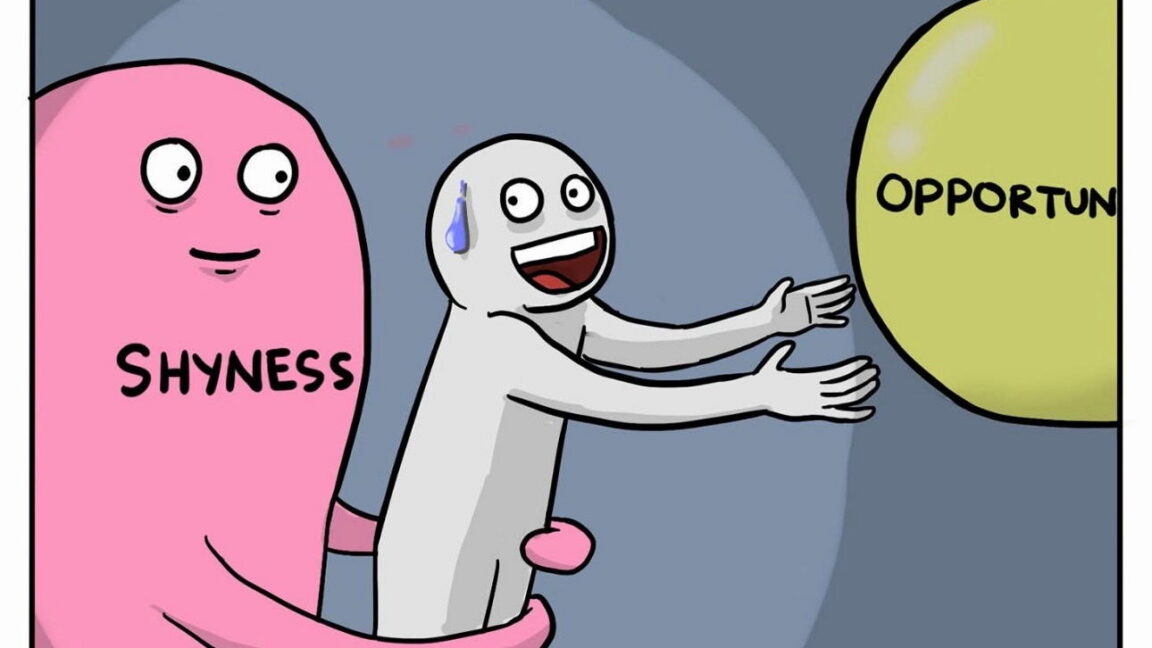
Filipino digital creator Elmer Saflor has taken legal action against an AI meme generator that sold his copyrighted comic as an advertising template. Experts warn this could reshape AI‑generated content rights.
Key Takeaways
- Artist Elmer Saflor sues AI meme generator for copyright infringement
- Memes Apps, LCC sold his comic as a paid ad template
- The case may redefine legal boundaries for AI‑generated content
Elmer Saflor, known online as “Superelmer,” cherished the viral success of his “Running Away Balloon” comic that exploded as a meme in 2017. Now, he’s battling an AI meme generator that commercialized his work without permission.
Saflor alleges that Memes Apps, LCC – the operator behind Memes.ai and Memes AI Studio – violated copyright law by offering his comic as a template in a paid subscription ad generator. The service lets marketers produce ads automatically, allegedly profiting from thousands of copies of his artwork.
The lawsuit claims the company earned substantial revenue by licensing the template to advertisers while Saflor received nothing, highlighting a growing tension between creators and AI platforms.
Why This Matters
BozokMedia analysis shows that this lawsuit could set a precedent for how AI‑generated content platforms handle copyrighted material, forcing stricter licensing models and possibly reshaping the digital advertising ecosystem.
“AI‑driven meme generators must adopt clear consent mechanisms to avoid infringing artists’ rights,” says intellectual‑property lawyer Dr. Ananya Rao.
Frequently Asked Questions
Can AI meme generators legally use copyrighted material? The legal landscape is still murky, and each case is evaluated individually.
What impact could this lawsuit have on the advertising industry? If the artist prevails, AI platforms may need to pay licensing fees, potentially raising ad production costs.