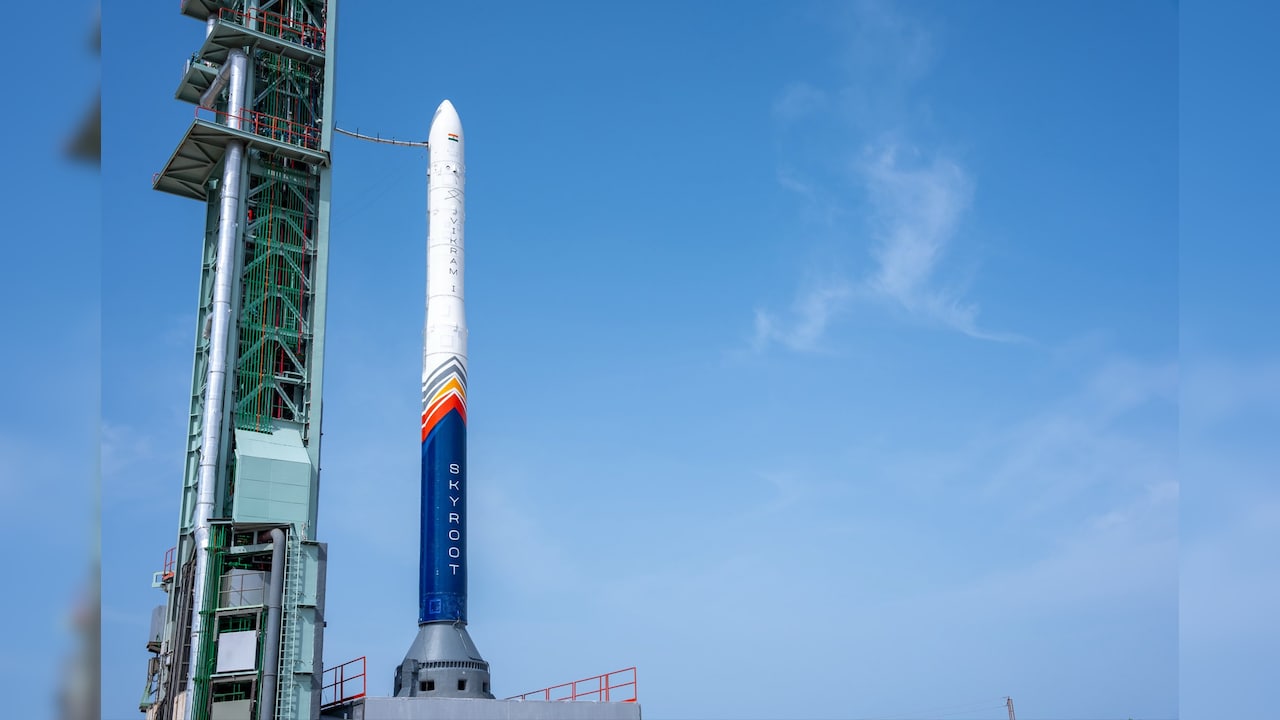
In July, Skyroot’s Vikram‑1 placed four payloads into a 450 km orbit, sparking a wave of investment. Indian private space firms have now attracted a total of $871 million in fresh capital, a direct result of policies that opened ISRO’s facilities to commercial players since 2020.
Key Takeaways
- Skyroot’s Vikram‑1 launched four payloads into a 450 km orbit in July.
- Indian private space startups have secured $871 million in new funding.
- Since 2020, government policy has granted private firms access to ISRO launch pads and testing facilities.
Historical Background
In 2020, the Indian government opened its space sector to private entities, allowing companies to use ISRO’s launch pads, testing sites, and data streams. This shift birthed a wave of startups focused on rockets, small satellites, and data services.
Why This Matters
BozokMedia analysis shows that this funding surge positions India’s private space industry to compete globally, creating jobs, enhancing national security, and modernizing communications infrastructure.
"This is a watershed moment for India’s private space sector, paving the way for a stronger global market presence," says space economist Dr. Rajesh Singh.
Did You Know?: Private space funding in India was just $150 million in 2022, a seven‑fold increase this year.
Frequently Asked Questions
- What payloads did Vikram‑1 carry?
Vikram‑1 deployed four distinct payloads, including micro‑satellites and technology demonstrators, successfully into orbit. - Where did the new funding come from?
The bulk of the capital came from international venture‑capital firms and Indian angel investors, with several government‑linked funds participating.