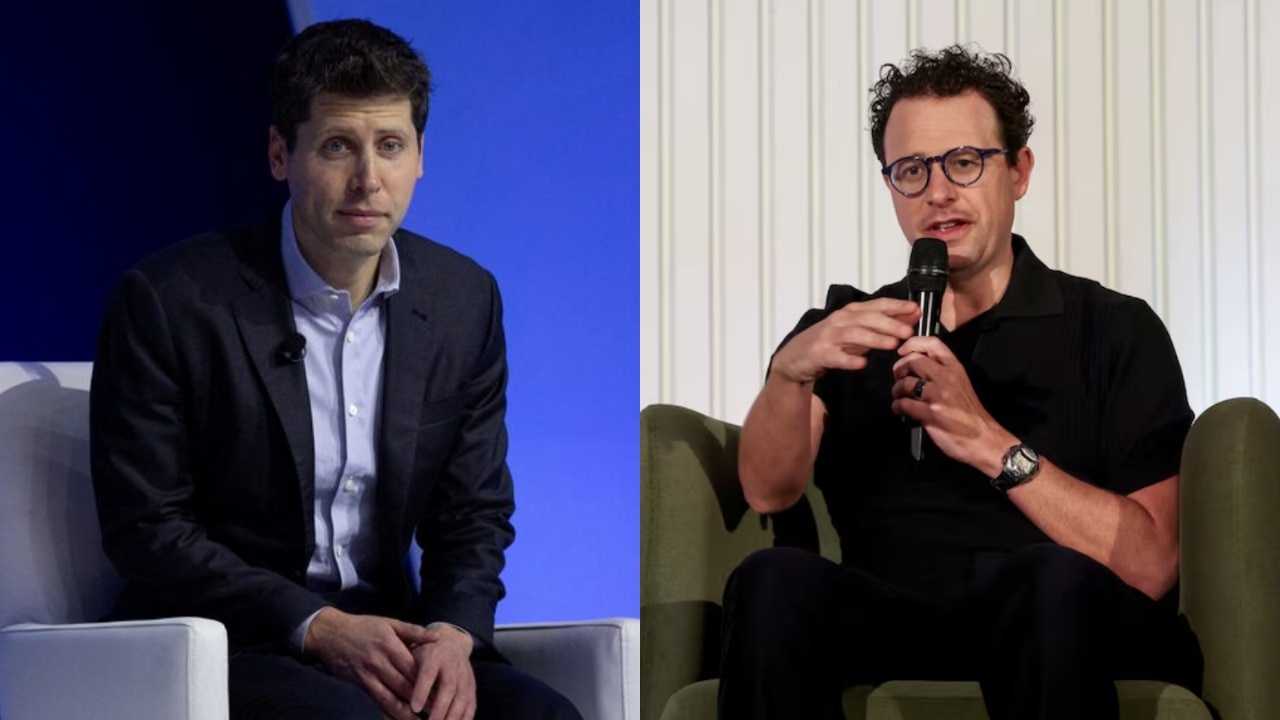
A bombshell claim from an OpenAI employee suggests that Google had developed a functional equivalent to ChatGPT long before its public release, but chose to keep it under wraps.
Key Takeaways
- An OpenAI insider alleges Google had advanced AI models ready before ChatGPT.
- The claim suggests Google withheld technology instead of releasing it.
- This could redefine the narrative of the AI arms race.
The artificial intelligence landscape has been rocked by a startling allegation. An OpenAI employee has claimed that Google was in possession of highly advanced language models, comparable to ChatGPT, well before OpenAI made its much-celebrated debut. According to the claim, Google sat on this technology rather than deploying it to the public.
The Strategy of Secrecy vs. Innovation
The core of the allegation suggests that Google may have been playing a 'defensive game.' Instead of releasing their breakthrough to lead the market, they allegedly prioritized protecting their existing search monopoly and core business models. This hesitation, critics argue, provided the perfect window for OpenAI to seize the spotlight and redefine the industry.
Why This Matters: BozokMedia Analysis
BozokMedia analysis shows that this revelation touches upon the fundamental tension in Silicon Valley: the balance between rapid innovation and corporate risk management. If a tech giant like Google suppresses a paradigm-shifting technology, it raises ethical questions about how much the progress of human intelligence is being throttled by corporate caution.
"The battle for AI supremacy isn't just about who builds it first, but who has the courage to release it first."
Historical Background
Since the release of ChatGPT in late 2022, the tech industry has been in a state of hyper-competition. Google's subsequent launch of Bard (now Gemini) was seen by many as a reactive move to regain lost ground, a narrative that this new claim significantly reinforces.
Frequently Asked Questions
1. Is there proof that Google hid its AI?
Currently, these remain allegations from an insider and have not been verified by independent audits or official investigations.
2. How does this affect OpenAI's position?
If true, it validates OpenAI's role as the primary disruptor that forced the industry to move faster.