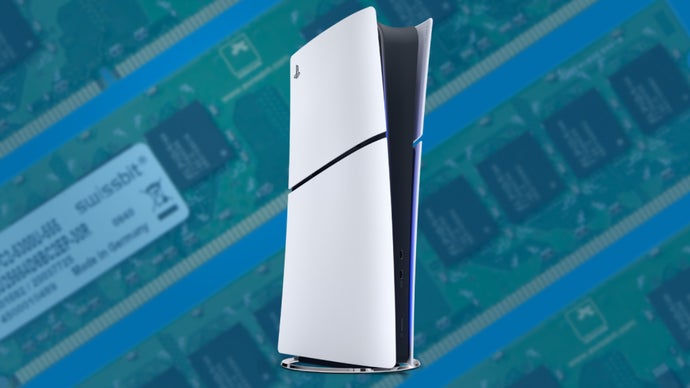
Samsung, which supplies roughly one‑third of the world's memory, warned that component shortages will worsen through 2027 and likely persist into 2028. The company is capitalising on the scarcity, posting strong earnings despite the market strain.
Key Takeaways
- Samsung predicts chip shortages will intensify through 2027‑2028.
- Demand, driven by AI data‑centers, continues to outpace supply.
- High‑Bandwidth Memory (HBM) bookings leave little capacity for consumer‑grade chips, pushing up prices.
Detailed Analysis
South Korean tech giant Samsung disclosed in its latest earnings call that global component scarcity will remain constrained through 2027, with the situation expected to linger at least until 2028. Most of Samsung’s fab capacity is already earmarked for High‑Bandwidth Memory (HBM) needed by AI data‑centers.
The forecast is built on medium‑to‑long‑term demand forecasts shared by AI firms, which Samsung uses to rank customers by margin potential. Companies willing to lock in long‑term contracts receive priority, allowing Samsung to maintain premium pricing.
Historical Background
Over the past three years, the memory market has been volatile. The COVID‑19 pandemic, supply‑chain disruptions, and an AI‑driven demand surge created a supply‑demand mismatch. Samsung, alongside SK Hynix and Micron, has faced antitrust allegations for alleged price‑fixing and “supracompetitive” pricing.
Why This Matters
BozokMedia analysis shows that rising memory prices directly inflate the cost of consumer electronics. Gaming consoles such as the PlayStation 5, Xbox Series X/S and Nintendo Switch 2 have all seen price spikes, squeezing gamers and retailers alike.
"When the major manufacturers have limited capacity, consumer‑grade products inevitably become more expensive," says Dr. Emily Chen, Technology Economist at Stanford University.
Frequently Asked Questions
Q1: Is Samsung’s price‑raising strategy legal?
A: Regulators are investigating; no final ruling has been issued yet.
Q2: When might consumer‑grade memory become more available?
A: Analysts estimate relief could begin around 2029‑2030 as new fab capacity comes online.