The Trump administration is drafting a ban on Chinese optical transceivers to safeguard US AI infrastructure from espionage and malware risks.
Key Takeaways
- The Trump administration is drafting a ban on new Chinese data center component imports.
- The FCC is targeting optical transceivers to prevent data theft and malware installation.
- US-based tech stocks like Lumentum and Coherent saw significant gains following the news.
- The move aims to prevent a 'Huawei-style' entanglement in US infrastructure.
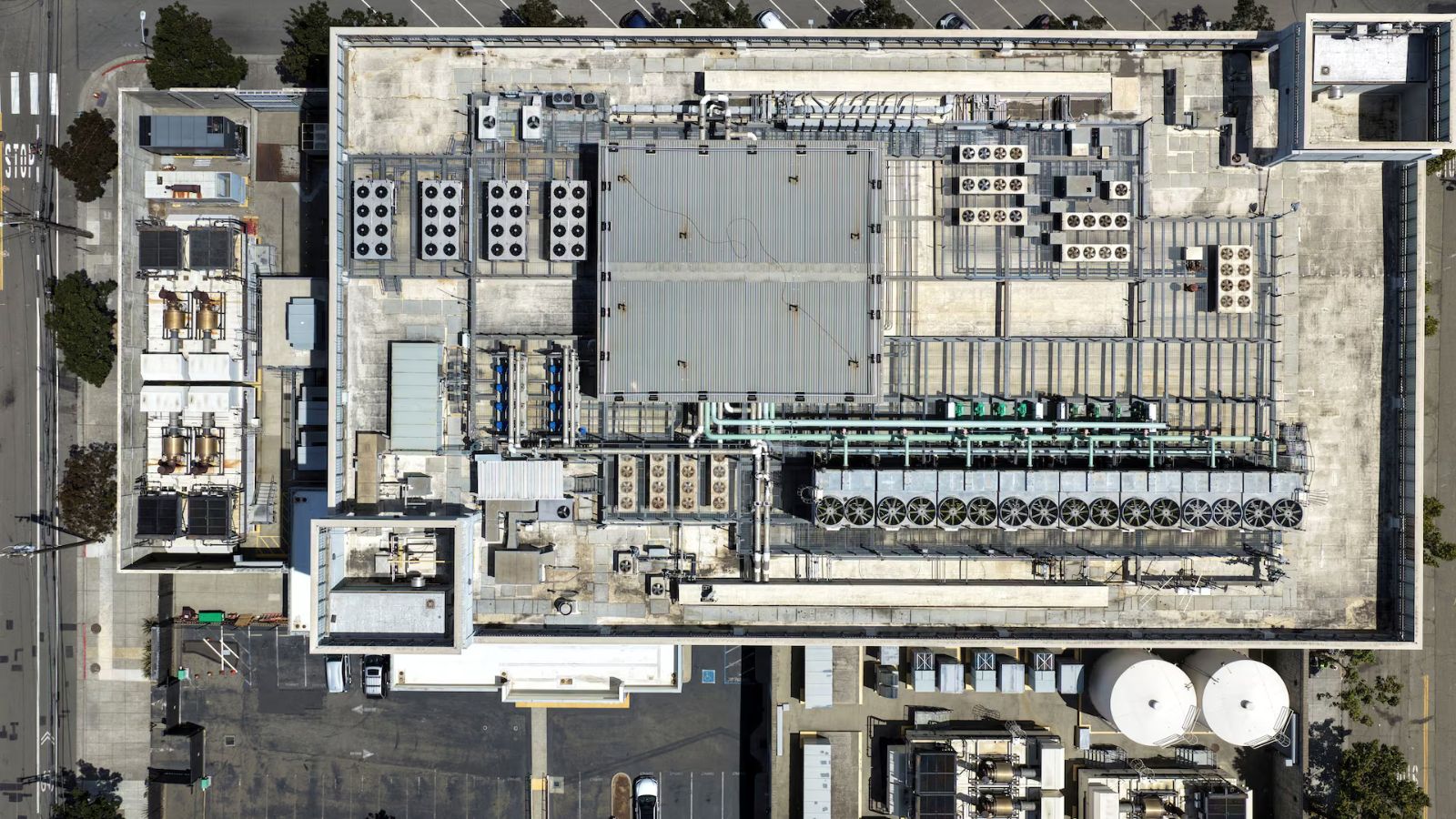
Washington D.C.: In a decisive move to protect the backbone of the American AI boom, the Trump administration is reportedly drafting a ban on the import of new models of Chinese data center components. Sources indicate that the Federal Communications Commission (FCC) is leading the charge to prohibit the entry of Chinese optical transceivers—critical components that allow data to travel across fiber-optic cables at light speed.
Mitigating National Security Risks
The primary objective behind this restriction is to prevent Chinese firms from utilizing hardware to steal sensitive data, install malicious software, or disrupt essential services within US data centers. These facilities house the massive computational power required to train and run advanced AI models. By acting now, the administration hopes to prevent Chinese technology from becoming so deeply embedded in the US supply chain that removal becomes economically and operationally impossible.
Why This Matters
BozokMedia analysis shows that this is a preemptive strike against potential long-term vulnerabilities. Avoiding a repeat of the Huawei situation—where sanctioned equipment was already too integrated to easily excise—is a top priority for US policymakers.
Transceivers definitely pose a risk. As the data center buildout scales up, you want to make sure the data center supply chain is secure from the get-go.
The market reacted sharply to the news. Shares of US-based manufacturers seen as beneficiaries of the move surged, with Lumentum, Coherent, and Applied Optoelectronics jumping 7%, 11%, and 18% respectively. However, analysts warn that this could increase operational costs for major cloud providers like Amazon Web Services (AWS) as they pivot to domestic suppliers.
Historical Background
The US has long been wary of Chinese technological incursions. During his first term, President Trump heavily criticized intellectual property theft and state-sponsored spying. This latest move via the FCC's 'Covered List' follows previous restrictions on Chinese drones, routers, and robots.
Frequently Asked Questions
1. Which Chinese company is most at risk?
Zhongji Innolight, which holds a massive 27% share of the global market, is expected to be significantly impacted.
2. Will this affect the cost of AI services?
Yes, as companies like AWS transition away from cheaper Chinese components to US-based alternatives, costs may rise.