Apple has petitioned a federal judge to immediately block OpenAI from using its proprietary trade secrets while litigation is ongoing. This move marks a massive escalation in the battle for AI supremacy.
Key Takeaways
- Apple is seeking an immediate injunction against OpenAI regarding trade secret misuse.
- The legal battle centers on the alleged theft of proprietary technological data.
- The outcome could redefine intellectual property laws in the AI era.
In a high-stakes legal maneuver, Apple has approached a federal judge, requesting an immediate halt to OpenAI's continued use of what it describes as stolen trade secrets. The tech giant is fighting to protect its intellectual property while its primary lawsuit against the AI pioneer remains pending in court.
The Core of the Dispute
The litigation focuses on the alleged unauthorized use of Apple's confidential information to bolster OpenAI's capabilities. Apple contends that the misuse of these trade secrets poses a significant threat to its competitive advantage and technological roadmap, particularly in the realm of integrated artificial intelligence.
Why This Matters
BozokMedia analysis shows that this case is a watershed moment for the tech industry. As companies race to dominate the AI landscape, the boundaries of 'fair use' versus 'intellectual property theft' are becoming increasingly blurred. A victory for Apple could set a precedent that forces AI developers to be significantly more transparent about their training data.
The collision between generative AI and traditional IP law will define the next decade of technological innovation.
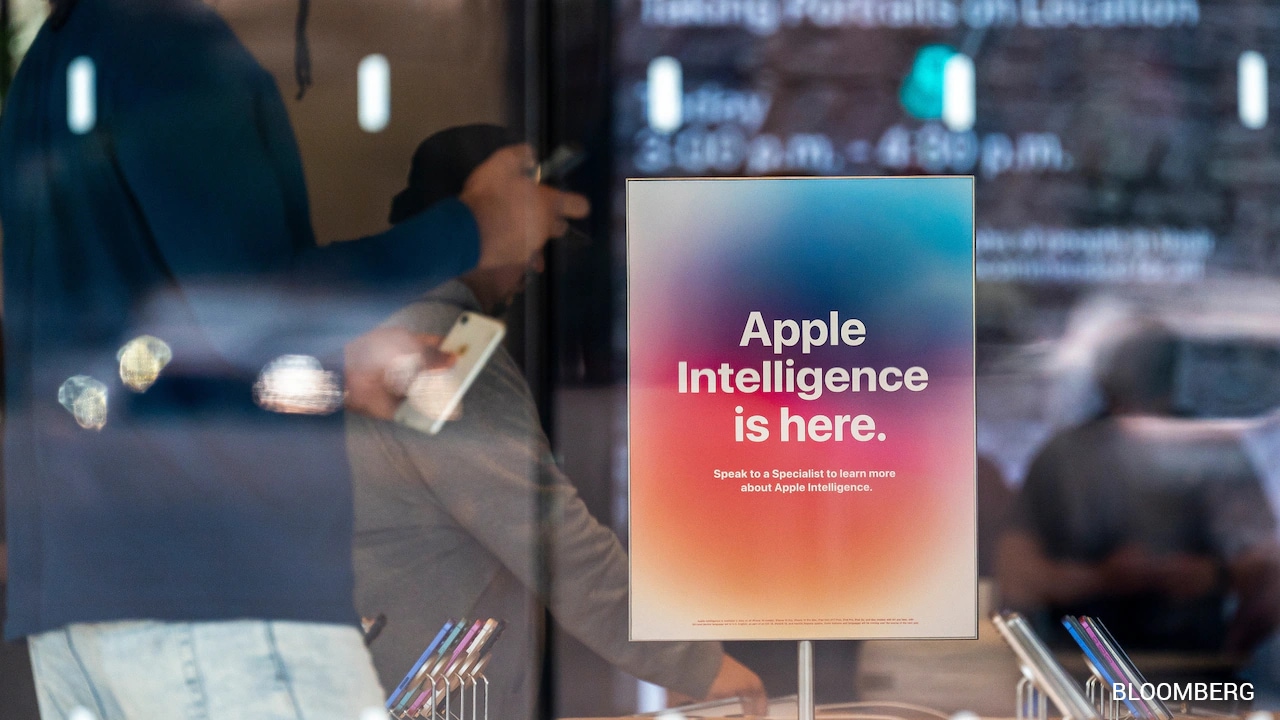
The intensity of this legal battle underscores the immense value placed on the data and algorithms that power modern AI ecosystems, such as Apple Intelligence.
Frequently Asked Questions
1. What is Apple specifically asking the court to do?
Apple is asking for an immediate block to prevent OpenAI from using its alleged stolen secrets during the trial.
2. How does this affect the AI industry?
It could lead to stricter regulations on how AI models are trained and how proprietary data is handled.


